Sunscreen: The Essential Companion for Outdoor Activities in the Lake District
The Lake District is a beautiful destination for outdoor enthusiasts, offering stunning landscapes and plenty of activities to enjoy. However, with the sun shining brightly during the summer months, it is essential to take precautions to protect your skin from harmful UV rays. Sunscreen is your best friend in the Lake District, providing a vital defence against skin damage.
Outdoor activities like hiking, cycling, and water sports are popular in the Lake District. While these activities are great for physical and mental well-being, they expose the skin to the sun’s harmful rays. Sunburn, premature ageing, and skin cancer are just some risks associated with prolonged sun exposure. Applying sunscreen before heading out on an adventure is a simple and effective way to reduce the risk of skin damage.
Sunscreen is an essential item to pack for any outdoor excursion in the Lake District. Using a broad-spectrum sunscreen with an SPF of at least 30 is recommended, which will protect against both UVA and UVB rays. Reapplying sunscreen every two hours, or more frequently if sweating or swimming, is also essential to ensure continued protection. By taking these simple steps, you can enjoy the beauty of the Lake District while keeping your skin safe and healthy.
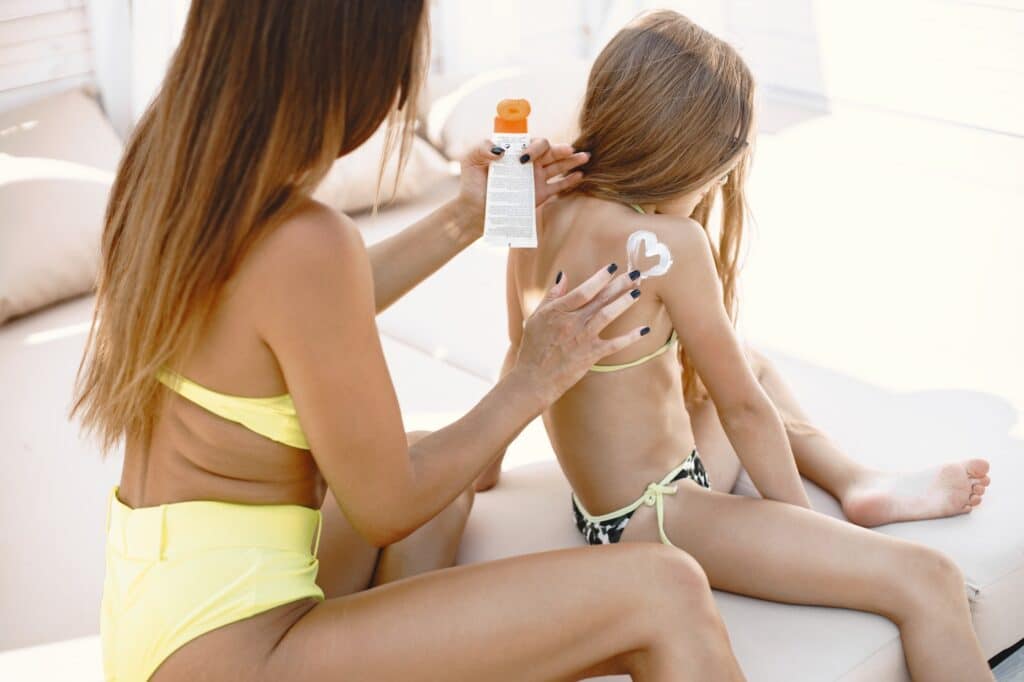
The Importance of Sun Protection in the Lake District
When planning a trip to the Lake District National Park, it’s essential to consider the potential dangers of sun exposure. While the area is known for its stunning scenery and outdoor activities, it’s also known for its unpredictable weather. Even on cloudy days, UV radiation can still cause skin damage. Therefore, it’s essential to protect your skin from the sun’s harmful rays with proper sun protection.
UV Radiation and Skin Damage
UV radiation is a type of energy that comes from the sun. It’s divided into two categories: UVA and UVB. UVA rays can penetrate deep into the skin and cause premature ageing, while UVB rays cause sunburn and can lead to skin cancer. Prolonged exposure to both types of radiation can cause severe skin damage.
In the Lake District, the sun’s UV radiation can be extreme due to its location and altitude. This means that it’s important to take precautions to protect your skin, even on cooler days.
The Dangers of Sun Exposure in the Lake District
Failing to protect your skin from the sun’s harmful rays can lead to various skin problems, including sunburn, premature ageing, and an increased risk of skin cancer. Skin cancer is the most common type of cancer in the UK, and it’s often caused by overexposure to the sun.
When enjoying outdoor activities in the Lake District, it’s important to protect your skin. This includes wearing protective clothing, such as hats with a wide brim to shade your face, ears, and neck. You should also wear sunglasses to protect your eyes from UV radiation.
In addition to wearing protective clothing, it’s important to use sunscreen with a high SPF. The recommended SPF is 30 or higher and should be applied generously to all exposed skin. A shot glass worth of sunscreen is the recommended amount for adults. Sunscreen should be reapplied every two hours or more often if you are sweating or swimming.
Many types of sun protection products are available, including lotions, gels, creams, oils, and butter. When choosing a product, look for one that provides broad-spectrum UV protection and does not contain oxybenzone, which can harm coral reefs. You can also select sun protection products specifically designed for outdoor activities, such as SUP or kayaking.
In conclusion, sun protection is essential when enjoying Lake District National Park outdoor activities. By wearing protective clothing, using sunscreen, and taking other sun protection measures, you can reduce your risk of skin damage and enjoy your time outdoors.
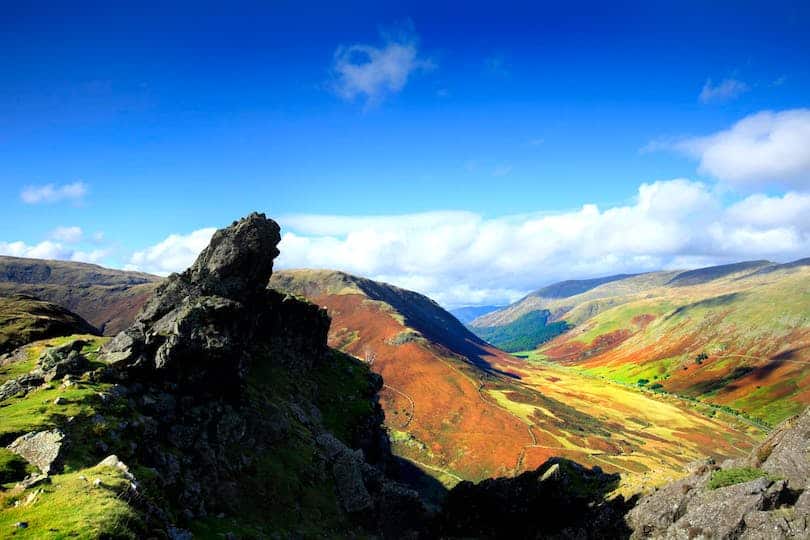 The Sun can feel a lot stronger than usual when up on the fells
Choosing the Right Sunscreen for Your Needs
When protecting your skin from the sun, sunscreen is your best friend. This is especially true when you spend time outdoors in the Lake District. But with so many different types of sunscreen available, it can be hard to know which one is right for you. In this section, we’ll examine how to choose the right sunscreen for your needs.
Understanding Sunscreen Labels
Before choosing the right sunscreen, it’s essential to understand what the labels mean. Here are some of the most important terms to look out for:
- SPF: This stands for Sun Protection Factor and refers to how well the sunscreen protects against UVB rays. The higher the SPF, the more protection you’ll get. The British Association of Dermatologists recommends using sunscreen with an SPF of at least 30.
- Water resistance: Sunscreens can be either water-resistant or not. If sunscreen is labelled as water-resistant, it means it will still provide some protection even if you sweat or swim. However, it’s important to note that no sunscreen is completely waterproof, so you’ll still need to reapply after swimming or sweating.
- Broad spectrum: This means sunscreen protects against UVA and UVB rays. Both types of rays can cause skin damage, so it’s important to use sunscreen that protects against both.
Factors to Consider When Choosing a Sunscreen
When choosing a sunscreen, there are a few factors to consider. Here are some things to keep in mind:
- Skin type: If you have sensitive skin, you may want to look for a sunscreen designed for sensitive skin. If you have oily skin, you may want to look for an oil-free sunscreen.
- Ingredients: Some sunscreens contain ingredients that may irritate your skin or cause an allergic reaction. If you have any allergies or sensitivities, read the label carefully.
- Application: Some sunscreens come in spray form, while others are lotions or creams. Choose a sunscreen that is easy to apply and that you’ll be comfortable wearing.
- Additional benefits: Some sunscreens contain other ingredients, such as jojoba oil, that can help moisturise and protect your skin. If you’re looking for sunscreen with additional benefits, be sure to read the label carefully.
By understanding sunscreen labels and considering these factors, you can choose a sunscreen that will provide the protection you need while enjoying outdoor activities in the Lake District.
SPF Protection from Tropic
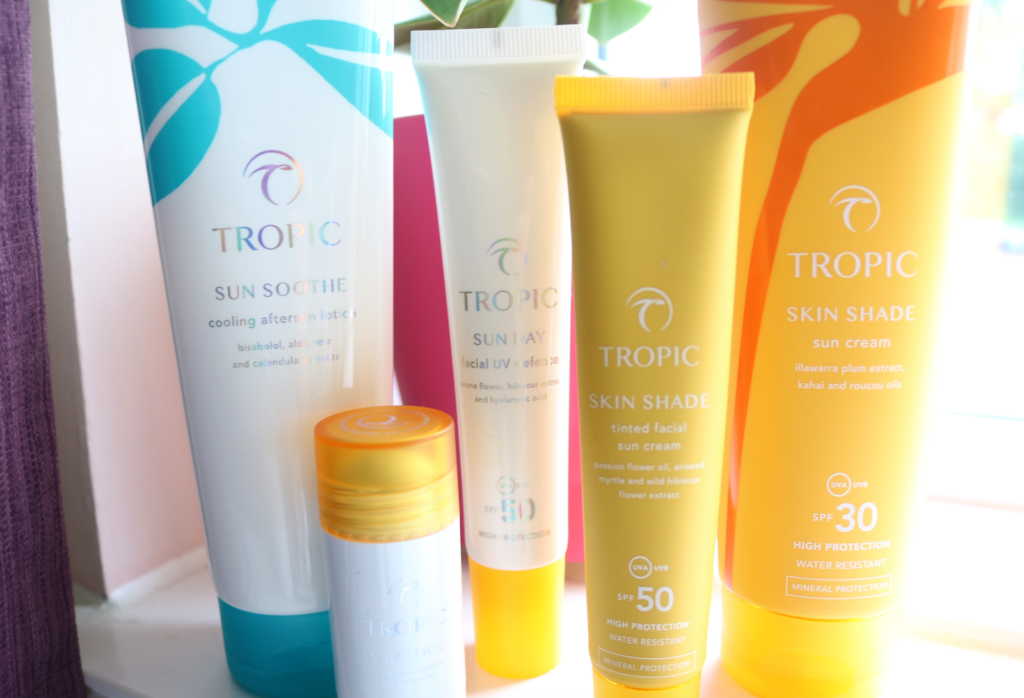
The Tropic Skincare brand offers a range of natural sunscreens that provide broad-spectrum protection against harmful UV rays. These sunscreens are formulated using certified reef-safe ingredients, making them eco-friendly and safe for marine life. The Independent recently named Tropic as one of the best eco-friendly sunscreens.
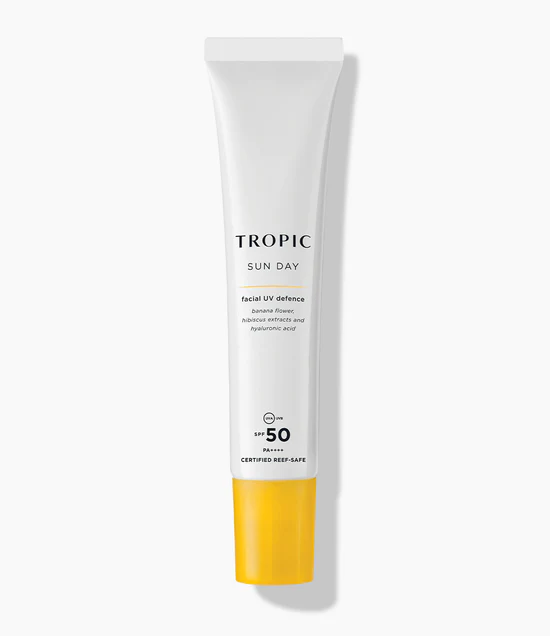
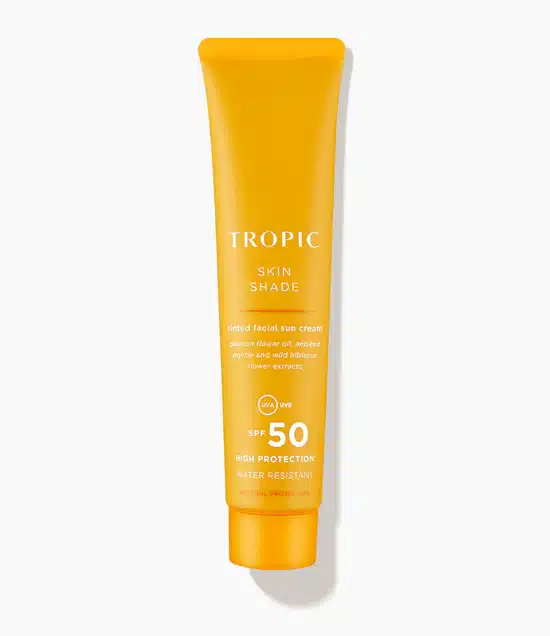
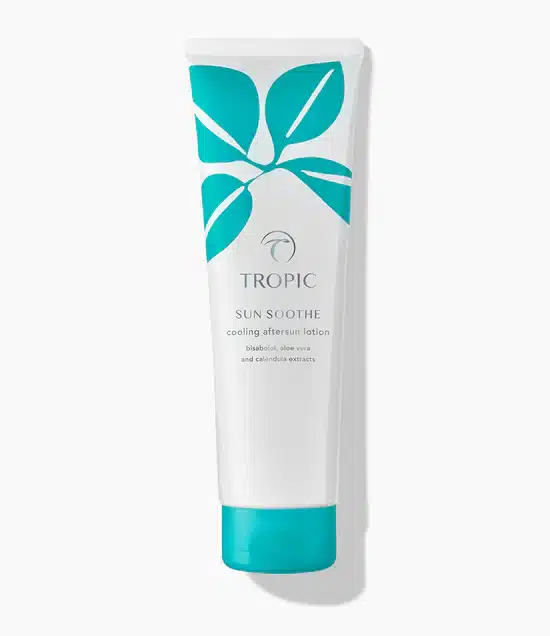
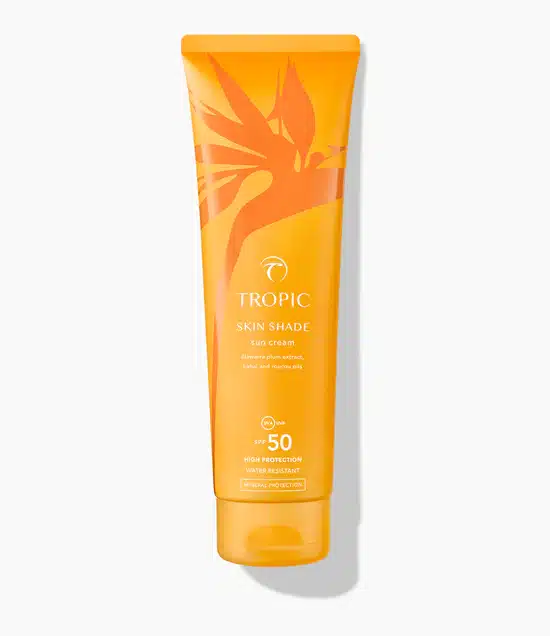
Tropic’s SUN DAY facial UV defence is a lightweight, non-greasy sunscreen with SPF 50 protection. Infused with antioxidant-rich green tea and vitamin E, it provides a natural barrier against free radicals and environmental pollutants. The formula is also enriched with hyaluronic acid, which helps to hydrate and plump the skin.
Tropic offers the SKIN SHADE tinted facial sun cream for those who prefer a tinted sunscreen. This SPF 50 sunscreen provides a subtle tint that evens skin tone and gives a natural, healthy glow. The formula contains nourishing ingredients like shea butter, jojoba oil, and vitamin E, which help to keep the skin moisturised and protected.
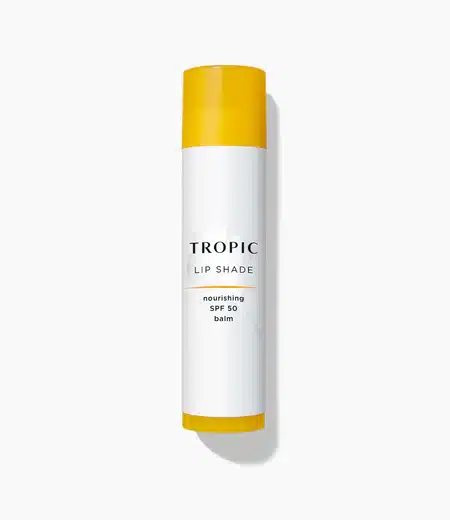
Tropic’s LIP SHADE nourishing SPF 50 balm is perfect for protecting the delicate skin on the lips from sun damage. Infused with coconut oil, shea butter, and vitamin E, this balm provides long-lasting hydration and protection against UV rays.
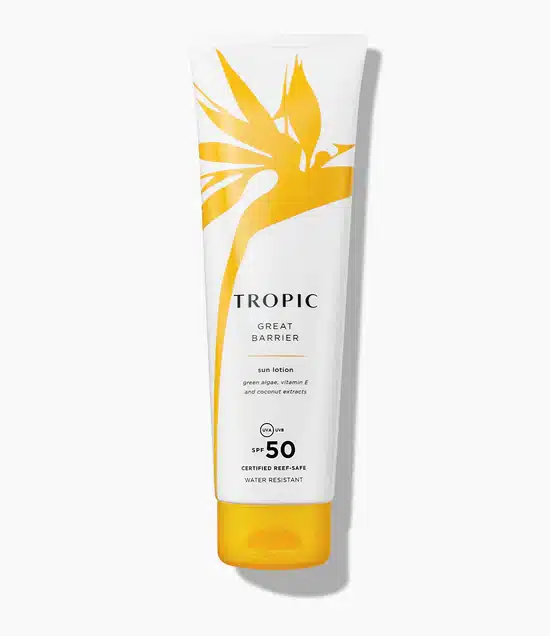
For all-over body protection, Tropic offers the GREAT BARRIER sun lotion. This lightweight, non-greasy lotion provides broad-spectrum SPF 50 protection and is water-resistant for up to 80 minutes. The formula contains nourishing ingredients like aloe vera, green tea, and vitamin E, which help to soothe and protect the skin.
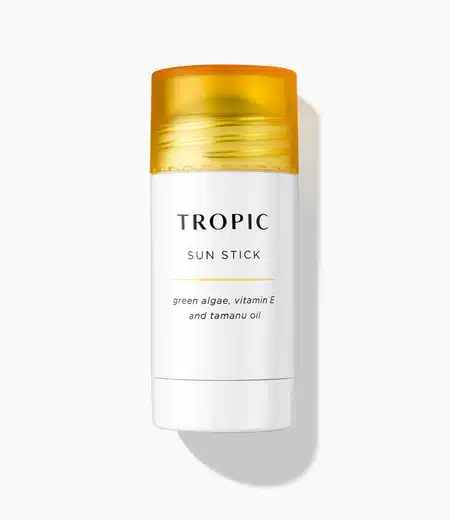
For on-the-go sun protection, Tropic offers the SUN STICK. This handy, pocket-sized sunscreen provides SPF 50 protection and is perfect for daily touch-ups. The formula contains nourishing ingredients like cocoa butter and vitamin E, which help to keep the skin moisturised and protected.
After-sun care is just as critical as sun protection, and Tropic’s SUN SOOTHE cooling aftersun lotion is perfect for soothing and hydrating sun-damaged skin. Infused with aloe vera, cucumber, and vitamin E, this lotion helps to calm inflammation and reduce redness.
Overall, Tropic’s range of natural sunscreens provides effective and eco-friendly sun protection for all skin types. Tropic has you covered whether you prefer a tinted sunscreen, a lightweight lotion, or a pocket-sized stick.
How to Apply Sunscreen Properly
When applying sunscreen, there are a few key steps to keep in mind to ensure maximum protection from the sun’s harmful rays. Here are some tips to help you apply sunscreen properly:
1. Choose the Right Sunscreen
When selecting a sunscreen, choosing one that provides broad-spectrum protection against both UVA and UVB rays is essential. Look for a sunscreen with a sun protection factor (SPF) of at least 30, and consider using a higher SPF if you have fair skin or are particularly sensitive to the sun.
2. Apply Sunscreen Generously
Applying sunscreen generously is essential to ensure you’re getting adequate sun protection. Most adults need about 1 ounce of sunscreen or enough to cover their body to fill a shot glass. Don’t forget to apply sunscreen to all bare skin, including your neck, face, ears, feet, and legs. Ask someone to help you, or use a spray sunscreen for hard-to-reach areas like your back.
3. Rub Sunscreen in Thoroughly
To ensure even coverage, it’s essential to rub sunscreen in thoroughly until you can’t see any white residue. This is particularly important when using mineral sunscreens, which can leave a white cast on the skin if not rubbed in properly.
4. Reapply Sunscreen Frequently
To maintain adequate sun protection, it’s important to reapply sunscreen frequently, especially if you’re swimming or sweating. Aim to reapply sunscreen every two hours or more regularly if you spend much time in the water.
5. Don’t Forget Your Hair and Feet
When applying sunscreen, it’s important to remember to protect your hair and feet as well. Wear a hat to protect your scalp, and use a sunscreen specifically designed for your hair to protect it from the sun’s damaging rays. Don’t forget to apply sunscreen to the tops of your feet, as these are often overlooked but can still be susceptible to sunburn.
6. Consider Using Powder Sunscreen
If you’re looking for a convenient way to reapply sunscreen throughout the day, consider using powder sunscreen. These can be easily applied over makeup or on bare skin, providing additional protection against the sun’s harmful rays.
7. Protect Pale Skin
If you have pale skin, protecting yourself from the sun’s harmful rays is crucial. This may include wearing protective clothing, seeking shade during peak sun hours, and applying sunscreen more frequently. Remember, even on cloudy days, the sun’s harmful rays can still penetrate the skin, so it’s essential to take sun protection seriously.
Other Sun Protection Measures to Take in the Lake District
When it comes to sun protection, sunscreen is just one part of the equation. The Lake District is known for its beautiful scenery and outdoor activities, but it’s important to take other sun protection measures to avoid skin damage. Here are some additional steps to consider:
Wearing Protective Clothing and Accessories
Wearing protective clothing and accessories can help reduce exposure to harmful UV radiation. Choose lightweight, breathable fabrics that cover your arms and legs, and wear a long-sleeved shirt or a light jacket to protect your skin from the sun’s rays. A wide-brimmed hat protects your face, neck, and ears, while sunglasses protect your eyes from the sun’s glare.
Staying in the Shade
Staying in the shade is another way to reduce exposure to the sun’s rays. Seek out shaded areas outside, especially during the hottest part of the day. If you’re planning a hike or a walk, choose a route with plenty of trees or other natural shade sources.
Using Other Sun Protection Products
In addition to sunscreen, you can use other sun protection products to protect your skin. Look for lotions or gels that contain ingredients like zinc oxide or titanium dioxide, which can help to block UV rays. Some makeup products also contain SPF, which can provide extra protection for your face.
It’s important to remember that no single sun protection measure is foolproof, and it’s always a good idea to consult with a dermatologist if you’re concerned about skin damage or other sun-related issues. By taking a comprehensive approach to sun protection in the Lake District, you can enjoy all the region offers without risking your skin.
Exploring the Lake District Safely in the Sun
The Lake District is a beautiful place to enjoy the great outdoors, but it’s important to remember that the sun can be just as dangerous as enjoyable. UV radiation from the sun can cause skin damage and even lead to melanoma, the deadliest form of skin cancer. That’s why taking sun safety seriously is crucial when hiking, walking, or participating in water activities in the Lake District.
Sun Safety Tips for Hiking and Walking
Protecting your skin from the sun’s harmful rays is essential when hiking or walking in the Lake District. Here are some tips to keep in mind:
- Wear sunscreen: Apply broad-spectrum sunscreen with an SPF of at least 30 before heading out on your hike or walk. Reapply every two hours or more often if you’re sweating or swimming.
- Wear a hat: A wide-brimmed hat can shade your face, ears, and neck.
- Cover-up: Wear lightweight, breathable clothing that covers as much skin as possible. Long-sleeved shirts and pants can provide extra protection.
- Time your hike or walk: Avoid being outside during the hottest part of the day, typically between 11 am and 3 pm.
Sun Safety Tips for Water Activities
Water activities like swimming, kayaking, and boating are popular in the Lake District but also come with sun safety challenges. Here are some tips to help you stay safe in the sun while enjoying the water:
- Wear waterproof sunscreen: Make sure your sunscreen is waterproof and has an SPF of at least 30. Apply it before getting in the water and reapply every two hours or more often if you’re sweating or swimming.
- Wear a rash guard: A rash guard can provide extra protection from the sun’s rays while in the water.
- Wear sunglasses: Sunglasses with UV protection can help protect your eyes from the sun’s harmful rays.
- Seek shade: If you’re spending time on shore, find a shady spot to relax.
Whether hiking up Helvellyn, exploring the National Trust properties in Eskdale, or taking a boat ride on Ullswater, remember to take sun safety seriously. By following these sun safety tips, you can enjoy all the Lake District offers while protecting your skin from the sun’s harmful rays. After all, as William Wordsworth wrote in his poem “I Wandered Lonely as a Cloud,” the Lake District is “a host of golden daffodils,” and you want to be able to enjoy them for years to come.
Frequently Asked Questions
How can sunscreen protect my skin from sun damage during outdoor activities in the Lake District?
Sunscreen helps to protect your skin from the harmful UV rays of the sun. Applying sunscreen forms a protective barrier on your skin that reflects or absorbs the UV rays. This helps to prevent sunburn, skin cancer, and other types of skin damage caused by prolonged exposure to the sun.
What are the best ways to apply sunscreen and stay protected from the sun while in the Lake District?
It is important to apply sunscreen properly to stay protected from the sun while in the Lake District. Why is it crucial to use sunscreen to prevent skin damage during outdoor activities in the Lake District? Here are some tips:
- Apply sunscreen at least 15 minutes before you go outside.
- Use enough sunscreen to cover all exposed areas of your skin.
- Reapply sunscreen every two hours or after swimming or sweating.
- Wear protective clothing like hats and long-sleeved shirts to protect your skin further.
The Lake District is a beautiful place to explore, but it is also known for its unpredictable weather. Even on cloudy days, UV rays can penetrate your skin and cause damage. Sunscreen protects your skin from the sun’s harmful rays and prevents skin damage, including sunburn, premature ageing, and skin cancer.
What are the most important factors when choosing the right sunscreen for outdoor activities in the Lake District?
When choosing sunscreen for outdoor activities in the Lake District, there are a few factors to consider:
- SPF: Choose a sunscreen with an SPF of at least 30.
- Broad-spectrum: Look for a sunscreen that protects against UVA and UVB rays.
- Water-resistant: Choose a water-resistant sunscreen if you plan to swim or sweat.
- Skin type: Consider your skin type and any skin conditions you may have when choosing a sunscreen.
Are any specific types of sunscreen more effective for protecting against sun damage in the Lake District?
Various sunscreen types are available, including lotions, sprays, and sticks. However, some people may find that certain types of sunscreen work better for their skin type or preferences. The most crucial factor is choosing a sunscreen that meets the abovementioned criteria.
How often should I apply sunscreen during outdoor activities in the Lake District to ensure maximum protection?
To ensure maximum protection, it is recommended to reapply sunscreen every two hours or after swimming or sweating. If you are spending a lot of time outdoors, it may be necessary to reapply more frequently. It’s also essential to use enough sunscreen to cover all exposed areas of your skin.

“One more fell from a great mood…” Chris writes for numerous online publications, having studied at The University College of North Wales, Bangor. He is regularly in The Lake District and enjoys wild camping, hiking and watersports. His favourite location? Muncaster Castle…