Rydal Cave
Rydal Cave
Rydal Cave, also known as Loughrigg Quarry or Loughrigg Cave, is a man-made cavern located near the village of Rydal in the Lake District, Cumbria, England. The cave was originally created as a result of quarrying for slate during the 19th century. The extracted slate was primarily used for roofing and fencing in the local area.
Today, Rydal Cave is a popular tourist attraction and a picturesque spot for visitors to the Lake District. The cave is easily accessible via a well-maintained footpath that starts from Rydal Water or Ambleside. The path offers a gentle walk through beautiful woodland and along the shores of Rydal Water, offering stunning views of the surrounding landscape.
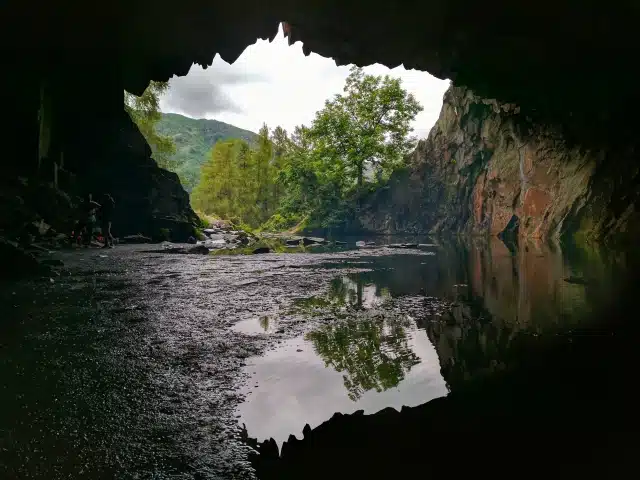
The entrance to the cave is large and imposing, with a small pool at the base of the cavern that is often home to small fish and other aquatic life. Inside the cave, the walls are adorned with moss and ferns, creating an enchanting atmosphere. Visitors are advised to bring a flashlight, as the cave can be quite dark and slippery in places.
Please note that while visiting Rydal Cave, it is essential to exercise caution and follow the appropriate safety guidelines. This includes wearing appropriate footwear, keeping a safe distance from the edges of the cave, and being aware of potential rock falls.
More About Rydal Cave
Explore Rydal Cave: A Man-Made Wonder Above Rydal Water
Rydal Cave is a unique and fascinating attraction located in the Lake District of England. The cave is a man-made cavern that was created as a result of slate quarrying. It is situated on the north side of Loughrigg Fell, which overlooks the picturesque Rydal Water.
The cave is a popular destination for tourists and locals alike, who come to explore its depths and marvel at its natural beauty. Visitors can take the stepping stones through the shallow lake at the entrance of the cave, and then venture further into the drier floor space inside. The cave is open 24 hours a day, seven days a week, and is completely free to visit, making it an accessible and affordable attraction for all.
History of Rydal Cave
Rydal Cave, located on the north side of Loughrigg Fell, has a rich history that dates back to the 19th century. The cave was formed as a result of slate quarrying, which was a major industry in the Lake District during that time. The quarrying process involved the removal of large blocks of slate from the ground, leaving behind a large hole that eventually formed the cave.
Originally known as Loughrigg Quarry, Rydal Cave was one of the many slate mines in the area. The slate was used for a variety of purposes, including roofing material, flooring, gravestones, and memorial tablets. The quarrying process was a dangerous one, and many workers lost their lives due to accidents and illnesses.
Over time, the quarrying industry in the Lake District declined, and Rydal Cave was left abandoned. However, the cave’s unique beauty and natural setting made it a popular destination for tourists and locals alike. Today, visitors can explore the cave and its surroundings, and learn about the history of slate mining in the Lake District.
Formation of Rydal Cave
Rydal Cave is a man-made cavern that was formed as a result of slate quarrying. The quarrying began in the 19th century and continued until the early 20th century. The quarry workers dug into the hillside to extract the slate, leaving behind a large hole in the ground. Over time, water seeped into the hole and eroded the soft slate, carving out the cave we see today.
The entrance to Rydal Cave is through a shallow lake, which was created when the quarry workers blasted through the rock to reach the slate. The lake is fed by a stream that runs down the hillside, and it is home to small fish that can be seen swimming in the clear water.
Inside the cave, the walls are smooth and curved, with water dripping from the ceiling. The floor is dry and level, making it easy to explore. The cave is large enough to accommodate several people, and it is a popular spot for visitors to the Lake District.
Features of Rydal Cave
Rydal Cave is a fascinating man-made cavern located on the north side of Loughrigg Fell, above Rydal Water. The cave is full of unique features that make it a must-visit attraction for anyone exploring the Lake District. Here are some of the most notable features of Rydal Cave:
The Main Chamber
The Main Chamber is the largest and most impressive part of Rydal Cave. This cavernous space is filled with towering slate pillars and dramatic rock formations that have been shaped by centuries of quarrying. Visitors can explore the Main Chamber at their leisure, taking in the stunning views and admiring the impressive architectural features of this incredible space.
The Waterfall Room
The Waterfall Room is a smaller, more intimate space within Rydal Cave. As the name suggests, this room features a beautiful waterfall that cascades down the cave walls, creating a peaceful and relaxing atmosphere. Visitors can sit and admire the waterfall, or explore the rest of the room to discover hidden nooks and crannies.
The Dark Tunnel
The Dark Tunnel is one of the most exciting parts of Rydal Cave. This narrow passageway winds its way through the heart of the cave, leading visitors on a thrilling journey through the darkness. The tunnel is illuminated by small lights, which add to the sense of mystery and intrigue. Visitors should take care when exploring the Dark Tunnel, as it can be slippery and uneven underfoot.
Visiting Rydal Cave
Getting There
Rydal Cave is located on the north side of Loughrigg Fell, above Rydal Water. There are multiple walking routes to access it from Grasmere Village, Rydal Village, Ambleside, White Moss Car Park, and Loughrigg Fell. Visitors can also take a bus or taxi to the nearby villages and start the walk from there.
It is recommended to check the weather forecast before heading to Rydal Cave as the terrain can become slippery and dangerous in wet conditions.
Opening Hours
Rydal Cave is a natural attraction and is open to visitors all year round. There are no specific opening hours, but visitors are advised to avoid visiting during the night or in low light conditions as the terrain can be hazardous.
What to Bring
Visitors are advised to wear appropriate footwear such as hiking boots or trainers with good grip, as the terrain can be rocky and slippery. It is also recommended to bring a waterproof jacket, as the weather can change quickly in the Lake District.
Visitors should bring enough water and food for the duration of their visit, as there are no shops or cafes near Rydal Cave.
Safety Tips
Visitors should be aware of their surroundings and avoid walking close to the edge of the quarry. It is also recommended to stay on the designated paths and avoid walking on loose rocks or unstable ground.
Visitors should also be aware of the potential risks of hypothermia and bring appropriate clothing for the weather conditions.
Finally, visitors are reminded to respect the natural environment and leave no litter or damage behind.
Conclusion
Rydal Cave is a unique and fascinating attraction in the Lake District, offering visitors a chance to explore a man-made cavern that was once a slate quarry. The cave’s impressive size and natural beauty make it a popular destination for hikers and nature enthusiasts alike.
While the cave itself is the main attraction, the surrounding area is also worth exploring. Loughrigg Fell and Rydal Water offer stunning views and plenty of opportunities for outdoor activities such as hiking, fishing, and boating.
Visitors to Rydal Cave should be aware that the cave can be slippery and uneven, so appropriate footwear is recommended. Additionally, the stepping stones at the entrance can be tricky to navigate, so caution should be taken.
Overall, Rydal Cave is a must-visit destination for anyone travelling to the Lake District. Its unique history, impressive size, and stunning natural beauty make it a truly unforgettable experience.
Highly Recommended Hotels Nearby

Macdonald Leeming House
Macdonald Leeming House Book A Room Ullswater 4-Star Hotel A Regency house overlooking Ullswater, the Macdonald Leeming House has an award-winning restaurant and views of

Lakes Hotel & Spa
The Lakes Hotel & Spa is a luxurious hotel located in Bowness-on-Windermere, in the heart of the Lake District. This hotel offers world-class service and

The Daffodil Hotel and Spa
The Daffodil Hotel and Spa provides modern elegance on the banks of Grasmere water, in the heart of The Lake District and only a short
Nearby Attractions

Rydal
Rydal Village is a charming and picturesque village nestled in the heart of the Lake District. It is located between the popular tourist destinations of

Ambleside
Ambleside is a small town located in the Lake District National Park in Cumbria, England. It is situated at the northern end of Lake Windermere,

Grasmere
Grasmere is a popular village tourist destination in the Lake District National Park in Cumbria, England. It is located in the centre of the Lake
Latest News

Lake District Agricultural Shows 2026: The Complete Guide to Cumbria’s Country Shows
One of the best ways to experience the real Lake District is by visiting one of Cumbria’s traditional agricultural shows. These much-loved annual events celebrate

Lake District Agricultural Shows 2024
Agricultural shows in the Lake District are a vital part of Cumbria’s rural life. These events attract locals and tourists, boosting the economy and celebrating

Lodore Falls Hotel Wins Spa Award
In the heart of the Borrowdale Valley, the Lodore Falls Hotel & Spa has been named the Best Destination Spa at the 2024 Good Spa

Windermere: Britain’s Most Stunning View
Windermere, the largest natural lake in England, has recently been named Britain’s most stunning view. This accolade highlights the lake’s breathtaking beauty and cements its

Wild Haweswater Wins Global Award
The Lake District is famous for its beautiful landscapes and peaceful scenery. Recently, it has gained global attention for an amazing environmental project. The Wild

Laik Holiday Lettings Nominated
The Lake District is renowned for its stunning landscapes and tranquil atmosphere. It’s a top destination for nature enthusiasts and adventure seekers. Within this breathtaking
Frequently Asked Questions
Rydal Cave is a limestone cave located in the Lake District of Cumbria, England. It is one of the most important archaeological sites in the country, with evidence of human activity dating back to the Neolithic period. The cave was first discovered in 1810 by the Reverend John Dalton, who was exploring the area for a book he was writing about the local geology.
Rydal Cave is a limestone cave located in the Lake District of England. It is one of the most popular show caves in the country and is a popular tourist attraction. The cave was formed over millions of years by the action of water on the limestone rock. The limestone rock in the area was formed during the Carboniferous period, around 350 million years ago.
Rydal Cave is a limestone cave located in the Lake District, Cumbria, England. The cave was formed over a period of millions of years, beginning during the Carboniferous period, which lasted from about 359 to 299 million years ago. During this time, the area was covered by a shallow sea, and the limestone that makes up the cave was formed from the shells and skeletons of marine creatures that lived in the sea.
Rydal Cave is a limestone cave located in the Lake District of Cumbria, England. It is one of the largest and most spectacular caves in the area, measuring approximately 120 metres long and 30 metres wide. The cave is divided into two main chambers, the Upper Chamber and the Lower Chamber. The Upper Chamber is the largest chamber and is approximately 40 metres high and 60 metres wide. The Lower Chamber is much smaller, measuring approximately 20 metres high and 10 metres wide.
Rydal Cave is a limestone cave located in the Lake District of England. It is approximately 300 metres long and is the deepest cave in the Lake District. The cave is located on the slopes of Great Rigg, a mountain in the Eastern Fells. The entrance to Rydal Cave is located at an elevation of approximately 350 metres above sea level. From the entrance, the cave descends to a depth of approximately 100 metres below sea level.