Haweswater

Length (km)
Max Width (km)
Area (km²)
Volume (m³)
Mean Depth (m)
Max Depth (m)
Surface Elevation (m)
6.9
0.9
3.9
88.8
23.4
57
246

Haweswater

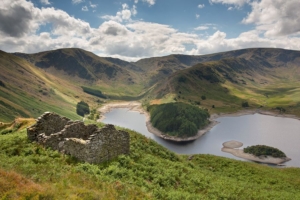
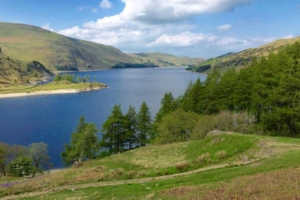
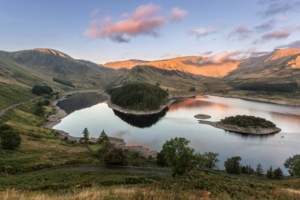
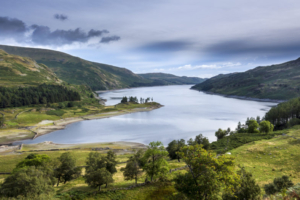
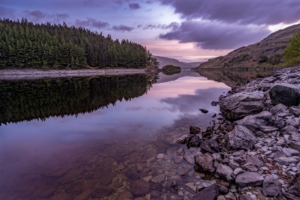
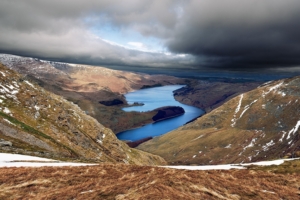
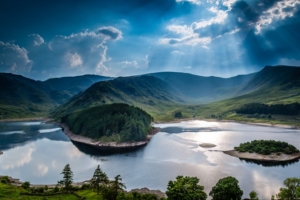
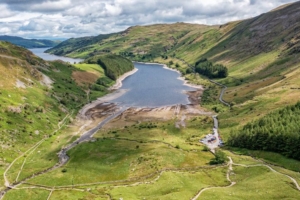
Haweswater is a reservoir in the eastern part of the Lake District, Cumbria, England. It was created in the 1930s to supply water to the urban conurbations of north-west England, such as Manchester. The construction of the reservoir was controversial because it involved flooding the village of Mardale, which displaced a small community and submerged a church and a number of farms. Today, Haweswater is a popular destination for hikers and nature enthusiasts, who come to enjoy the scenic beauty of the area.

The reservoir is surrounded by rolling hills and craggy peaks, which provide a stunning backdrop to the lake. Visitors can take a leisurely walk around the reservoir, which offers spectacular views of the surrounding landscape. The trail is approximately 9 miles long and takes about 3-4 hours to complete. Along the way, hikers can enjoy the tranquillity of the area and spot a variety of wildlife, such as red deer, birds of prey, and otters.

More About Haweswater

Haweswater: A Reservoir in the Lake District National Park

Haweswater is a reservoir in the eastern part of the Lake District, Cumbria, England. It was created in the 1930s to supply water to the urban conurbations of north-west England, such as Manchester. The construction of the reservoir was controversial because it involved flooding the valley of Mardale, which displaced a small community and submerged a church and a number of farms. Today, Haweswater is a popular destination for hikers and nature enthusiasts, who come to enjoy the scenic beauty of the area.

The reservoir is surrounded by rolling hills and craggy peaks, which provide a stunning backdrop to the lake. Visitors can take a leisurely walk around the reservoir, which offers spectacular views of the surrounding landscape. The trail is approximately 9 miles long and takes about 3-4 hours to complete. Along the way, hikers can enjoy the tranquillity of the area and spot a variety of wildlife, such as red deer, birds of prey, and otters.

Geography and History

Haweswater is a reservoir located in the Lake District, Cumbria, England. It is situated about 4 miles west of Shap and is the most easterly of the lakes in the Lake District. The reservoir was created by the damming of the natural lake of Haweswater in order to provide a stable water supply for Manchester and the north-west of England.

Location and Topography

Haweswater is approximately 4 km (2.5 mi) long and half a mile wide, with a maximum depth of 200 feet. It is surrounded by mountains and hills, including Harter Fell, Branstree, and High Street. The reservoir is fed by the River Lowther and the River Sprint, which flow into the lake at its northern and southern ends, respectively. The eastern end of the lake was dammed in 1940, submerging the village of Mardale and increasing the size of the lake.

The Building of the Dam

The construction of the Haweswater Dam began in 1929 and was completed in 1940. The dam is 1550 feet wide and 120 feet high and was built using approximately 1.5 million tonnes of concrete. The building of the dam involved the flooding of the farming villages of Measand and Mardale Green, which were located in the valley that was to become the reservoir. The construction of the dam was controversial at the time, as it involved the displacement of local residents and the loss of historical buildings and sites.

The Creation of the Reservoir

The creation of the Haweswater Reservoir had a significant impact on the landscape and ecology of the area. The flooding of the valley resulted in the loss of habitats and species, including the rare Lady’s Slipper orchid. The reservoir also provides a habitat for a variety of bird species, including goldeneye, common sandpiper, and goosander. The reservoir is now an important source of water for the north-west of England, providing up to 25% of the region’s water supply.

Ecology

Flora and Fauna

Haweswater is a unique ecosystem that is home to a wide variety of flora and fauna. Due to its location in the uplands, the area is characterized by a mix of heather moorland, bog, and woodland habitats. The lake itself is home to a number of fish species, including brown trout and Arctic char, which are popular with anglers.

The surrounding hills are also home to a variety of bird species, including golden eagles, peregrine falcons, and red kites. The area is also an important breeding ground for upland birds such as curlews, lapwings, and red grouse.

The woodlands around the lake are predominantly made up of native species such as oak, birch, and rowan. These woodlands provide important habitat for a number of bird species, as well as mammals such as red squirrels and roe deer.

Impact of the Reservoir on the Environment

The construction of the Haweswater Reservoir in the early 20th century had a significant impact on the local environment. The creation of the reservoir flooded the Mardale Valley, which had been home to a number of small communities. The loss of this habitat had a significant impact on the local flora and fauna.

However, in recent years, efforts have been made to mitigate the impact of the reservoir on the environment. The Woodland Trust has planted over 100,000 trees in the area, helping to restore some of the lost woodland habitat. The rewilding of the area has also helped to create new habitats for a variety of species.

The area around the reservoir is now managed in a way that balances the needs of the local community with the conservation of the local environment. The upland farming practices used in the area are designed to be sustainable and minimize the impact on the local environment.

Recreation and Tourism

Haweswater offers a range of outdoor activities for visitors and tourists. From hiking and fishing to boating and camping, there is something for everyone to enjoy.

Walking and Hiking

The Haweswater area is a popular destination for walkers and hikers. There are a number of well-marked trails that offer stunning views of the lake and surrounding countryside. The Haweswater Circular Walk is a popular route that takes in the entire lake and offers breathtaking views of the surrounding fells. Other popular trails include the Riggindale Crag Hike and the Kidsty Pike Walk.

Fishing

Haweswater is a popular destination for fishing enthusiasts. The lake is home to a variety of fish species, including trout, pike, and perch. Fishing permits are available from a number of local outlets, including the Haweswater Hotel and the Haweswater Fisheries Association.

Boating and Water Sports

Boating and water sports are popular activities on Haweswater. The lake is open to non-powered boats, such as canoes and kayaks. Visitors can also enjoy swimming and paddleboarding on the lake. However, due to the lake’s status as a reservoir, motorised boats are not permitted.

Camping and Accommodation

There are a number of campsites and accommodation options in the Haweswater area. The Haweswater Hotel offers comfortable rooms and stunning views of the lake. For those looking for a more rustic experience, there are a number of campsites in the area, including the Haweswater Campsite and the Sykeside Camping Park.

Culture and Literature

The story of Haweswater has been the subject of various cultural and literary works over the years. Here are two notable examples:

The Haweswater Story by Mellor

The Haweswater Story is a book by Harry Mellor that tells the history of the area and the construction of the reservoir. Mellor was a former employee of the Manchester Corporation Waterworks, the organisation responsible for the construction of the reservoir. The book provides a detailed account of the construction of the dam and the displacement of the residents of the valley. Mellor also discusses the impact of the reservoir on the local wildlife and environment.

The Haweswater Aqueduct in Literature

The Haweswater Aqueduct has also been referenced in various works of literature. In the novel, The Rotters’ Club by Jonathan Coe, the Haweswater Aqueduct is mentioned as a symbol of the modernization of England in the 1970s. The novel is set in Birmingham and follows the lives of a group of teenagers who attend a local school. The Haweswater Aqueduct is mentioned as a significant engineering feat that brings water to the city from the Lake District.

Another example is the poem, Haweswater, by Norman Nicholson. The poem describes the construction of the dam and the flooding of the valley. Nicholson, who was born in the Lake District, was known for his poetry about the area. In Haweswater, he describes the valley as a place of natural beauty that is destroyed by the construction of the reservoir. The poem has been praised for its evocative language and its depiction of the impact of human actions on the environment.

Highly Recommended Hotels Nearby

The Samling

The Samling

The Samling Hotel, Windermere: A Picturesque Retreat in the Heart of the Lake District Nestled amidst the stunning landscape of the Lake District, The Samling

Macdonald Leeming House

Macdonald Leeming House

Macdonald Leeming House Book A Room Ullswater 4-Star Hotel A Regency house overlooking Ullswater, the Macdonald Leeming House has an award-winning restaurant and views of

The Inn On The Lake Ullswater

Inn On The Lake Ullswater

Inn On The Lake Ullswater Book A Room Ullswater’s 4-Star Hotel The 4-star Inn On The Lake Ullswater has a 2 AA Rosette restaurant and

Nearby Attractions

Lowther Castle

Lowther Castle & Gardens

Lowther Castle & Gardens is a historic country house located in the county of Cumbria, England. The castle was built in the early 19th century

Ullswater view of Glenridding

Ullswater

Length (km) Max Width (km) Area (km²) Volume (m³) Mean Depth (m) Max Depth (m) Surface Elevation (m) Ullswater, situated in the Lake District National

Latest News

Lake District Agricultural Shows

Lake District Agricultural Shows 2024

Agricultural shows in the Lake District are a vital part of Cumbria’s rural life. These events attract locals and tourists, boosting the economy and celebrating

Wild Haweswater

Wild Haweswater Wins Global Award

The Lake District is famous for its beautiful landscapes and peaceful scenery. Recently, it has gained global attention for an amazing environmental project. The Wild

Laik Holiday Lettings

Laik Holiday Lettings Nominated

The Lake District is renowned for its stunning landscapes and tranquil atmosphere. It’s a top destination for nature enthusiasts and adventure seekers. Within this breathtaking