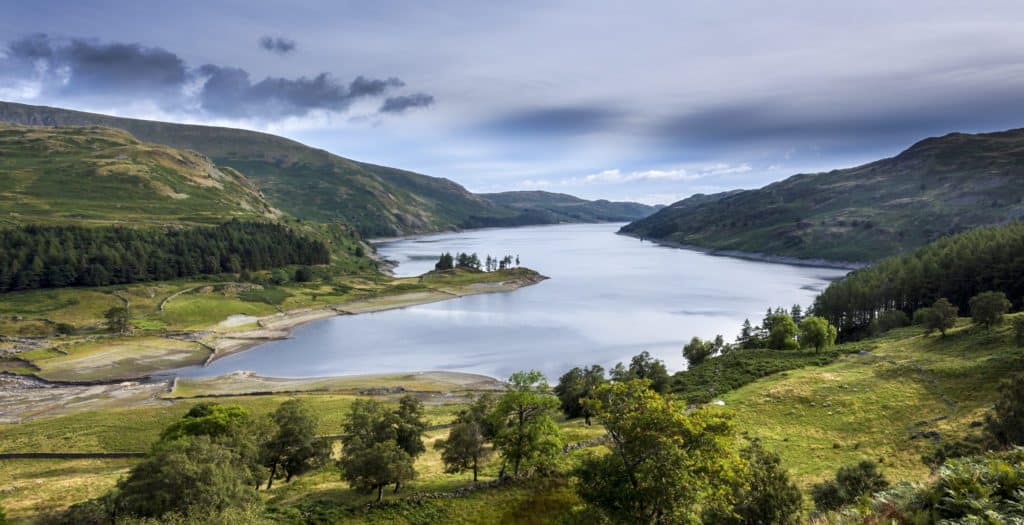
The village of Mardale was once a thriving community nestled in the picturesque valley of Haweswater in the Lake District. However, in the late 1930s, the village was submerged beneath the waters of Haweswater Reservoir. The construction of the reservoir was necessary to supply water to the urban conurbations of the north, but it came at a great cost to the local community.
The village of Mardale was lost forever, but its legend lives on. According to local folklore, the village was cursed, and its destruction was a result of the curse. Some say that the curse was placed on the village by a group of witches who were angered by the villagers’ treatment of them. Others believe that the curse was a result of the villagers’ greed and disregard for the natural environment. Whatever the cause, the legend of the cursed village of Mardale continues to intrigue and fascinate visitors to the Lake District.
The Lost Village of Mardale
History of Mardale
Mardale was a small hamlet located in the Haweswater valley in the Lake District, in northern England. The village was situated at the head of a glacial valley and was home to several families who lived there for generations. The village had a church, a school, and a post office, among other buildings. The origins of the village date back to the medieval period, and it was once a thriving community with a population of around 150 people. The villagers were mostly farmers and relied on the land for their livelihoods. They lived simple lives and were known for their hospitality and friendliness.
Submergence of Mardale
In the early 20th century, the city of Manchester was in dire need of a new water supply to meet the demands of its growing population. The city council decided to build a reservoir in the Haweswater valley, which would require flooding the surrounding areas, including the village of Mardale. In 1935, the construction of the Haweswater Reservoir began, and the villagers of Mardale were forced to leave their homes and relocate to other parts of the country. The village was completely submerged by 1937, and the reservoir was officially opened in 1940. The submergence of Mardale was a tragic event that marked the end of a way of life for many families. The villagers were forced to abandon their homes and their land, and many of them never returned to the area. Despite the tragedy, the submergence of Mardale created a new source of water for the city of Manchester, which helped to improve the lives of millions of people. However, the legend of Mardale and the supposed curse that came with it would live on for many years to come.
The Curse of Mardale
Mardale, a small hamlet in the Lake District, was submerged beneath the waters of Haweswater Reservoir in the late 1930s. The village was sacrificed to provide water for the growing population of Manchester. However, the legend of Mardale lives on, with many locals believing that the village is cursed.
Origins of the Curse
According to legend, Mardale was cursed by a group of witches who had been driven out of the village by the local residents. The witches were said to have placed a curse on the village, vowing that it would be destroyed and never rise again.
Others believe that the curse was placed by the ghost of a woman who had been wronged by the villagers. She is said to have cursed the village with her dying breath, vowing that it would be swallowed up by the waters of the lake.
Legends and Myths
There are many legends and myths surrounding Mardale and its curse. Some believe that the ghost of the woman who cursed the village can still be seen wandering the shores of the lake on stormy nights.
Others believe that the village is home to a powerful demon, who was unleashed when the village was flooded. The demon is said to be responsible for the strange noises and sightings reported by visitors to the area.
Despite the many legends and myths surrounding Mardale, there is no evidence to support the existence of a curse. However, the legend lives on, and many visitors to the area are drawn to the eerie atmosphere and sense of mystery that surrounds the submerged village.

Exploring the Haweswater Reservoir
Environmental Impact
The creation of the Haweswater Reservoir had a significant impact on the environment and the people who lived in the area. The valley was flooded in the 1930s to create the reservoir, and the villages of Mardale and Measand were submerged. The Royal Engineers demolished all the farms and houses in the villages, including the Holy Trinity Church and the Dun Bull Inn. The loss of the village and its history was a tragic consequence of the creation of the reservoir.
Today, the reservoir provides water for Manchester and the surrounding areas. However, it has also had a significant impact on the local ecology. The flooding of the valley destroyed habitats and displaced wildlife. The construction of the dam also disrupted the natural flow of the River Lowther, which had a negative impact on fish populations.
Tourist Attractions
Despite its controversial history, the Haweswater Reservoir has become a popular tourist attraction. The reservoir is surrounded by stunning scenery and offers a range of activities for visitors to enjoy. The area is popular with hikers and walkers, who can explore the surrounding hills and valleys. There are also several cycling routes in the area, including the Haweswater Circuit, which offers stunning views of the reservoir and the surrounding countryside.
One of the most popular tourist attractions in the area is the Haweswater Hotel. The hotel was built in 1937 to replace The Dun Bell Inn, which was demolished to make way for the reservoir. The hotel is now run by an enthusiastic local historian who has a wealth of knowledge about the lost village of Mardale. Visitors can see some interesting artifacts from the village and learn more about its history.
Another popular attraction is the Haweswater Dam. The dam is an impressive feat of engineering and is one of the tallest in the country. Visitors can take a guided tour of the dam and learn more about its construction and the history of the reservoir.
Conclusion
The story of Mardale village is a fascinating tale of a community that was lost to the waters of Haweswater Reservoir. The fate of the village has captured the imagination of many, and it has become the subject of numerous legends and myths. While there is no evidence to support the idea that the village is cursed, the story of Mardale continues to be an intriguing part of Lake District folklore.
Despite being submerged beneath the reservoir for almost a century, the village of Mardale has not been forgotten. The remains of the village are still visible when the water levels are low, and visitors to the area can explore the ruins of the Dun Bull Inn and Holy Trinity Church. The village may be lost, but its legacy lives on.
While the idea of a cursed village may seem far-fetched, it is important to remember that the people of Mardale were real. They lived, worked, and died in the village, and their lives were forever changed by the construction of the reservoir. The story of Mardale serves as a reminder of the power of nature and the impact that human actions can have on the environment.

Jon is a regular contributor to several outdoor living and lifestyle news publications, concentrating on The Lake District. Now living in Glenridding, Jon studied journalism at Edinburgh University.