High Stile
High Stile
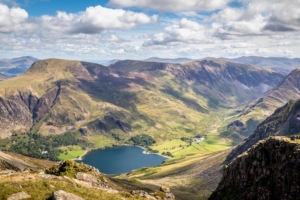
High Stile is a stunning peak located in the western part of the Lake District in North West England. It is the eleventh-highest English Marilyn, standing 807 metres high, and has a relative height of 362 metres. This peak is part of the High Stile Range, which comprises several other peaks, including Red Pike, High Crag and Haystacks.
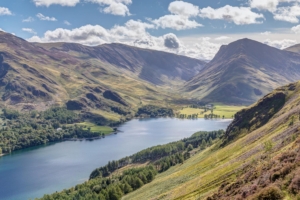
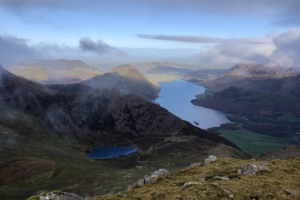
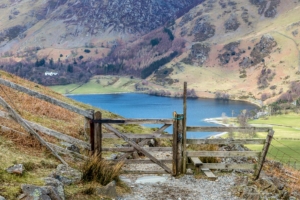
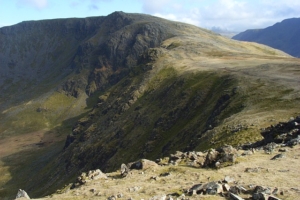
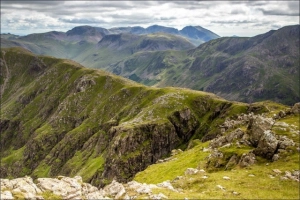
The climb onto the main ridge of the High Stile Range is a bit on the stiff side, but once you get onto the ridge, the walk along its craggy and boulder-strewn crest is superb. The setting is magnificent, with wide-ranging views across Ennerdale to Pillar and Great Gable and across Buttermere to the great sweep of the northwest fells. High Stile is a popular destination for hikers, mountaineers and rock climbers, and offers a range of challenging routes to the summit.
SEARCH FOR ACCOMMODATION
More About High Stile
High Stile: A Majestic Peak in The Lake District
Location
High Stile is a mountain located in the western part of the Lake District in North West England. It is situated in the Buttermere Valley, between the villages of Buttermere and Ennerdale Bridge. The mountain is part of the High Stile Range, which includes several other notable peaks such as Red Pike and High Crag. The Lake District is a popular destination for hiking and outdoor enthusiasts, and High Stile is a particularly attractive destination for those seeking a challenging climb with stunning views. The mountain is accessible via several well-marked trails, including the Buttermere to Ennerdale Walk and the High Stile Ridge Walk. High Stile is located within the Lake District National Park, a protected area of outstanding natural beauty that covers over 2,300 square kilometers. The park is home to a diverse range of wildlife and habitats, including woodlands, fells, lakes, and rivers. Visitors to the Lake District can enjoy a wide range of outdoor activities, including hiking, cycling, kayaking, and fishing. The area is also home to several picturesque towns and villages, such as Keswick, Ambleside, and Grasmere, which offer a range of accommodation, dining, and shopping options.History
Early Exploration
High Stile is a mountain located in the western part of the Lake District in North West England. The area around the mountain has been inhabited for thousands of years, with evidence of prehistoric settlements and stone circles found in the surrounding valleys. High Stile was first explored by hikers and climbers in the late 19th century, with many early expeditions led by members of the Fell and Rock Climbing Club. The mountain’s rugged terrain and challenging climbs made it a popular destination for adventurous mountaineers, and it remains a popular spot for climbers and hikers today.Naming of the Peak
The name “High Stile” is believed to have originated from the Old Norse word “stil”, which means “steep”. The mountain’s steep slopes and craggy peaks make it a challenging climb, and the name is fitting for the rugged terrain. High Stile is also known as one of the “Buttermere Fells”, a group of mountains located around the picturesque Buttermere Lake. The name “Buttermere” is thought to come from the Old English words “butere mere”, which means “the lake by the dairy pastures”. Today, High Stile is a popular destination for hikers and climbers, offering stunning views of the surrounding countryside and a challenging climb for those seeking an adventure in the Lake District.Geography and Geology
Physical Characteristics
High Stile is a mountain in the Lake District National Park in Cumbria, England. It is part of the High Stile Range, which is a group of fells extending northwest from Great Gable towards Loweswater. High Stile is the highest peak in the range, with an elevation of 807 metres (2,648 ft) above sea level. The mountain overlooks the village of Buttermere and the lake of the same name. On the western side of High Stile are wild combes, high crags, and a small tarn called Bleaberry Tarn.Rock Formation
The Lake District is known for its stunning natural beauty, and this is largely due to the area’s unique geology. Over 500 million years of geological processes have shaped the landscape of the Lake District, creating mountains, valleys, and lakes of great scenic beauty. The rocks that make up the High Stile Range are primarily volcanic in origin, with some sedimentary rocks also present. The volcanic rocks were formed during the Ordovician period, around 450 million years ago, when the area was an active volcanic zone. The sedimentary rocks, which are mainly slate, were formed from sediments that accumulated in the oceans that covered the area during the Silurian and Devonian periods, around 400-350 million years ago. The volcanic rocks that make up High Stile and the surrounding fells are mainly andesite and basalt. Andesite is a fine-grained volcanic rock that is intermediate in composition between basalt and rhyolite. Basalt is a dark-coloured volcanic rock that is rich in iron and magnesium. The andesite and basalt that make up the High Stile Range were formed from lava flows that erupted from volcanoes in the area during the Ordovician period. The sedimentary rocks that are present in the area are mainly slate, which is a fine-grained rock that is formed from the compaction of clay and silt. The slate in the area was formed from sediments that accumulated in the oceans that covered the area during the Silurian and Devonian periods. Overall, the geology of the High Stile Range is complex and varied, with a mix of volcanic and sedimentary rocks that have been shaped by millions of years of geological processes. The result is a landscape of great beauty and diversity, with rugged mountains, deep valleys, and crystal-clear lakes that attract visitors from all over the world.Hiking and Climbing
High Stile is a popular destination for hikers and climbers alike. With its steep precipitous crags and stunning scenery, it offers an exciting challenge for those who love the great outdoors.Routes and Trails
There are several routes and trails that lead to the summit of High Stile, each offering a unique experience.- The Buttermere Ridge route is a popular choice for those looking for a challenging hike. It offers stunning views of Buttermere and the surrounding area.
- The Ennerdale Horseshoe route is another popular option. It takes hikers through the beautiful Ennerdale Valley and offers breathtaking views of the surrounding mountains.
- The High Stile Ridge route is a more technical climb and is recommended for experienced climbers only. It offers stunning views of the surrounding peaks and valleys.
Difficulty and Safety
Hiking and climbing High Stile can be challenging and should only be attempted by those who are experienced and properly equipped. It is important to check the weather forecast before setting out and to bring appropriate clothing and equipment.| Difficulty Level | Description |
|---|---|
| Easy | Routes that are well-marked and do not require technical climbing skills. |
| Moderate | Routes that require some scrambling and may have steep sections. |
| Difficult | Routes that require technical climbing skills and may have exposed sections. |
Wildlife and Flora
High Stile is a mountain in the Lake District with a diverse range of flora and fauna. The area is home to a variety of wildlife and plants, making it a popular destination for nature lovers and hikers. The mountain is home to several species of birds, including ravens, buzzards, and peregrine falcons. These birds of prey can often be seen soaring high above the mountain, hunting for their next meal. Visitors to High Stile may also spot red grouse, which are common in the area. The mountain is also home to a variety of mammals, including red deer, roe deer, and badgers. Visitors may also spot foxes and hares, which are common in the area. In addition, the mountain is home to several species of bats, which can be seen flying around at dusk. The flora on High Stile is just as diverse as the wildlife. The mountain is home to several species of wildflowers, including heather, foxgloves, and bluebells. Visitors may also spot ferns and mosses growing on the mountain, as well as a variety of grasses and shrubs. The mountain is also home to several species of trees, including oak, birch, and rowan. Visitors may also spot holly and hawthorn growing on the mountain, as well as a variety of other shrubs and bushes.Conclusion
High Stile is undoubtedly one of the most stunning peaks in the Lake District. Its location and views are breathtaking, and the challenging climb to the summit is well worth the effort. The peak is part of the High Stile Range, which includes other notable summits such as Red Pike and High Crag. High Stile is a popular destination for hikers and mountaineers, and there are several routes to the summit, each with its own unique features and challenges. The climb onto the main ridge of the High Stile Range is steep but once you reach the top, the views across Ennerdale to Pillar and Great Gable are simply breathtaking. While High Stile is not the highest peak in the Lake District, it is certainly one of the most impressive. Its craggy and boulder-strewn crest is a joy to walk along, and the setting is magnificent. The peak is a grand viewpoint for looking back down onto the lakes below and for gazing out across the western Lake District. Overall, High Stile is a must-visit destination for anyone who loves hiking, mountaineering, or simply enjoying the beauty of the Lake District. Its stunning views, challenging climb, and unique features make it a peak that should not be missed.Highly Recommended Hotels Nearby

Borrowdale Hotel
Nestling at the foot of Shepherds Crag in the pretty Borrowdale valley at the tip of Derwentwater, the Borrowdale Hotel opened its doors in 1866

Buttermere Court Hotel
Buttermere Court Hotel is a family-run hotel located in the heart of the Lake District National Park in Cumbria. The hotel is nestled between two

Skiddaw Hotel
The Skiddaw Hotel in Keswick is a newly refurbished four-star hotel located in the heart of the picturesque market town of Keswick. The hotel offers
Nearby Attractions

Crummock Water
Nestled within the verdant embrace of England’s Lake District, Crummock Water lies in silent repose. It’s a hidden gem that has captured the hearts and

Buttermere
Length (km) Max Width (km) Area (km²) Volume (m³) Mean Depth (m) Max Depth (m) Surface Elevation (m) Nestled amidst the breathtaking beauty of England’s

Whinlatter Forest
Whinlatter Forest is a true gem of the Lake District, located in Cumbria, England. It is the only mountain forest in the country and offers
Latest News

Lake District Agricultural Shows 2026: The Complete Guide to Cumbria’s Country Shows
One of the best ways to experience the real Lake District is by visiting one of Cumbria’s traditional agricultural shows. These much-loved annual events celebrate

Lake District Agricultural Shows 2024
Agricultural shows in the Lake District are a vital part of Cumbria’s rural life. These events attract locals and tourists, boosting the economy and celebrating

Lodore Falls Hotel Wins Spa Award
In the heart of the Borrowdale Valley, the Lodore Falls Hotel & Spa has been named the Best Destination Spa at the 2024 Good Spa

Windermere: Britain’s Most Stunning View
Windermere, the largest natural lake in England, has recently been named Britain’s most stunning view. This accolade highlights the lake’s breathtaking beauty and cements its

Wild Haweswater Wins Global Award
The Lake District is famous for its beautiful landscapes and peaceful scenery. Recently, it has gained global attention for an amazing environmental project. The Wild

Laik Holiday Lettings Nominated
The Lake District is renowned for its stunning landscapes and tranquil atmosphere. It’s a top destination for nature enthusiasts and adventure seekers. Within this breathtaking