Gowbarrow Fell

Gowbarrow Fell

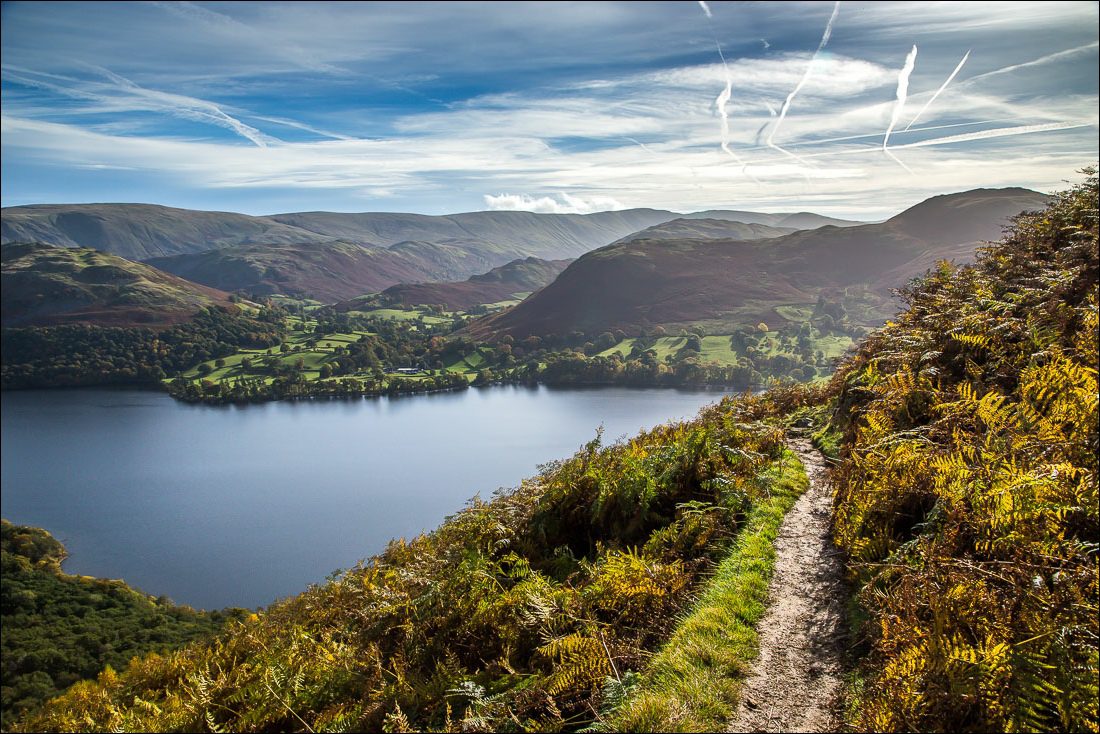
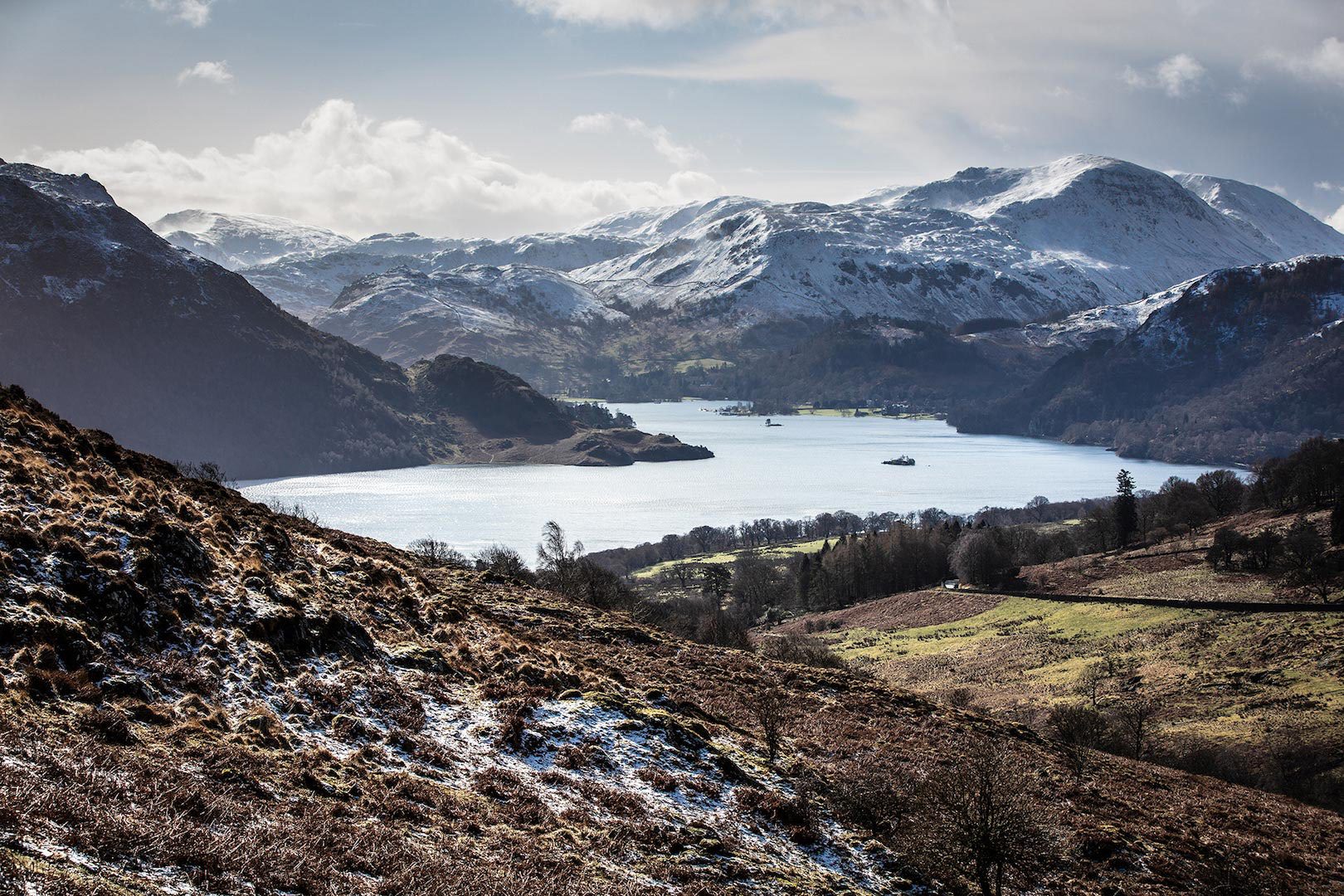
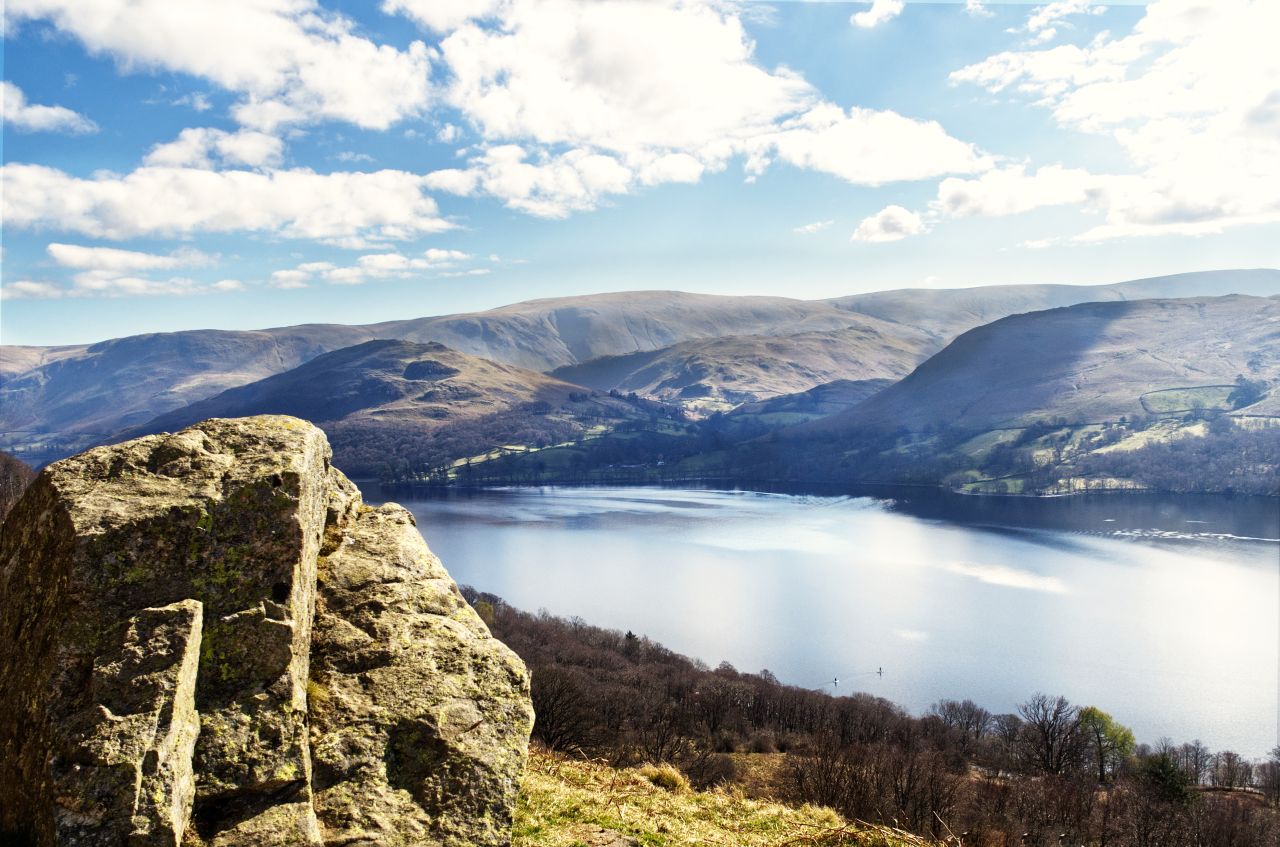
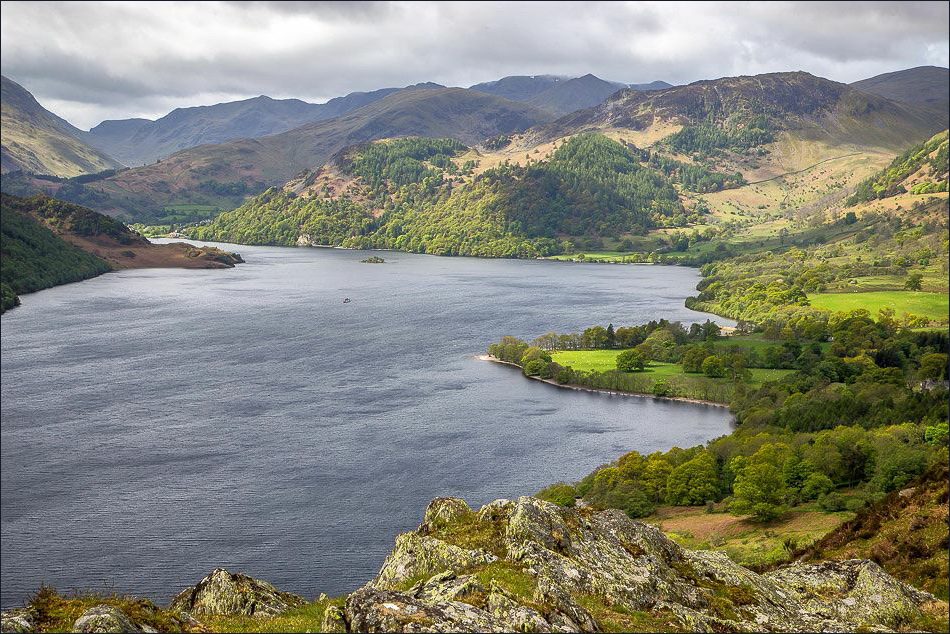
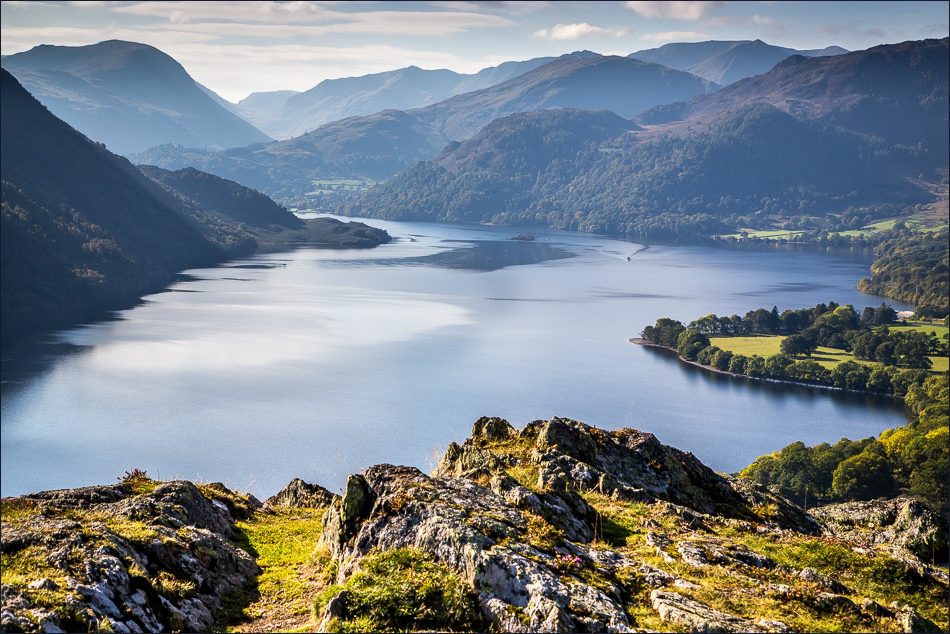
Gowbarrow Fell is a hill located in the northeastern part of the Lake District National Park in Cumbria, England. It stands at an elevation of 1,579 feet (481 meters) above sea level, making it a relatively small fell compared to other peaks in the region. However, it is well-known for its picturesque views of Ullswater, the second largest lake in the Lake District, and the surrounding fells.

Gowbarrow Fell is popular among walkers and hikers for its relatively easy access and well-maintained footpaths. One of the most famous routes is the circular walk that starts at Aira Force, a stunning waterfall on Aira Beck, which is managed by the National Trust. The walk takes you through beautiful woodland and up to the summit of Gowbarrow Fell, where you can enjoy panoramic views of the surrounding landscape.

The fell also has historical significance, as it is believed that William Wordsworth and his sister Dorothy visited the area in 1802, inspiring Wordsworth’s famous poem “Daffodils” (also known as “I Wandered Lonely as a Cloud”). The area is still known for its wild daffodils that bloom during the spring months, adding an extra layer of beauty to the already picturesque scenery.

SEARCH FOR ACCOMMODATION

More About Gowbarrow Fell

Gowbarrow Fell: A Guide to Hiking and Enjoying the Stunning Views

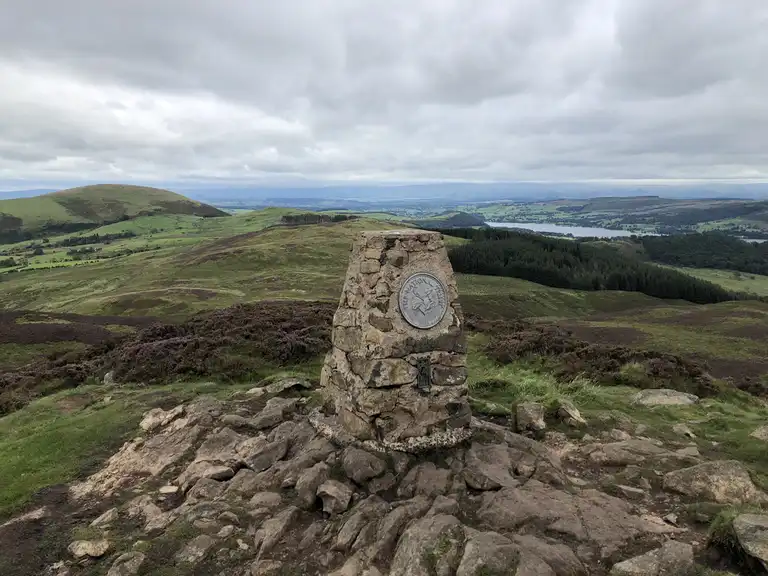
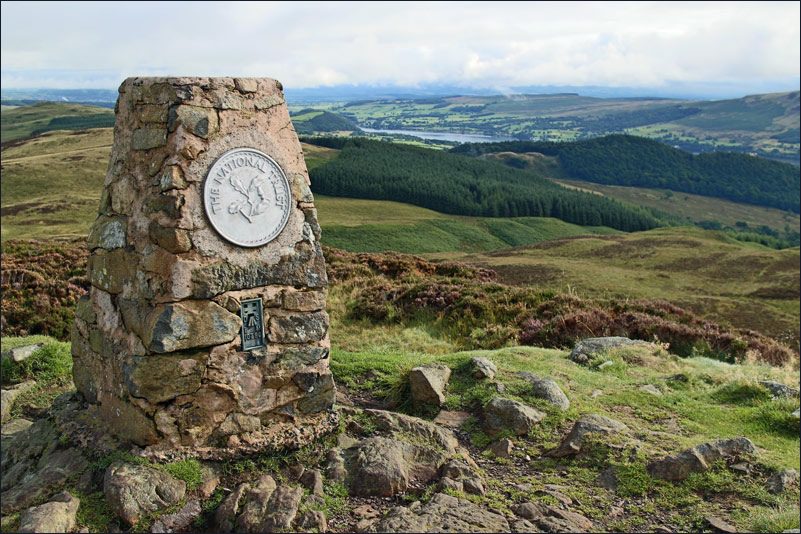
Gowbarrow Fell is a low fell located in the English Lake District. It is an outlier of the Eastern Fells, standing to the north of Ullswater, bounded on one side by Aira Beck with its waterfall Aira Force. The waterfall is a popular attraction for visitors to the area. Gowbarrow Fell offers stunning panoramic views all around, which can be enjoyed from the trig point at the summit.

The fell is a popular destination for hikers and nature enthusiasts, offering a range of trails for all levels of experience. The most famous trail is the one that inspired William Wordsworth’s poem, Daffodils. It was on the west side of the fell in 1802 that Dorothy Wordsworth noticed wild daffodils growing, and her observations later inspired her brother to write his famous poem. Gowbarrow Fell also offers a variety of flora and fauna, including red squirrels, deer, and a range of bird species.

Location

Gowbarrow Fell stands at a height of 481 meters (1,578 feet) above sea level. The fell is situated within the boundaries of the Lake District National Park in Cumbria, which is a popular destination for hikers and outdoor enthusiasts.

The fell is bounded on one side by Aira Beck, which flows down the fellside and forms the impressive waterfall known as Aira Force. The waterfall is a popular attraction for visitors to the area, and can be accessed via a footpath that leads from the National Trust car park at the bottom of the fell.

From the summit of Gowbarrow Fell, walkers can enjoy panoramic views of the surrounding landscape, including Ullswater, Blencathra, Bannerdale, Carrock Fell, and the Pennines. The fell is also home to a variety of wildlife, including red squirrels, deer, and birds of prey.

Description

At a height of 481m (1,579 ft) and is generally considered a moderately challenging hike, taking an average of 5 hours to complete. The circular trail is approximately 14.6 km long and features an elevation gain of 717m. The route takes hikers through beautiful forests, across open moorland, and up to the summit of the fell, offering breathtaking views of the surrounding countryside.

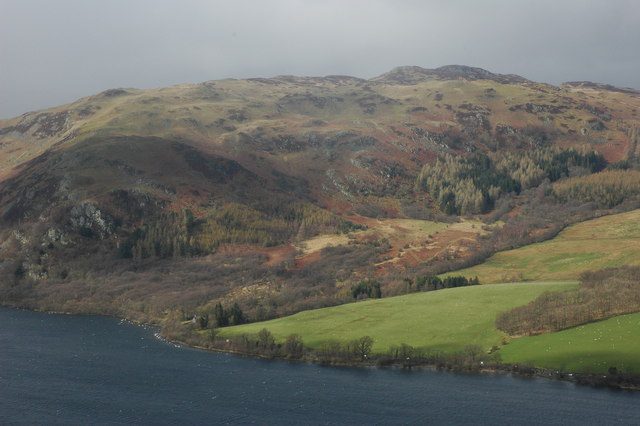
The area around Gowbarrow Fell was once home to a large herd of deer, and evidence of old shooting boxes and stalkers huts can still be seen today. The deer have since been replaced by low numbers of hardy, traditional sheep such as Herdwick, which assist in restoring heather and tree cover to the fell.

Gowbarrow Fell Walk

Gowbarrow Fell is a popular destination for walkers and hikers in the Lake District. The fell is located on the eastern side of Ullswater and offers stunning views of the surrounding landscape. There are several walking routes that lead to the summit of Gowbarrow Fell, including the circular walk that takes in both the fell and Aira Force.

Circular Walk

The circular walk is a 5-mile route that starts at Aira Force car park and takes in the waterfall before heading up to Gowbarrow Fell. The route is well signposted and offers a good mix of terrain, including woodland, open fell, and rocky paths. The circular walk takes around 3 hours to complete and is suitable for walkers of all abilities.

Gowbarrow Fell

The route to the summit of Gowbarrow Fell is a steep climb, but the views from the top are well worth the effort. On a clear day, walkers can see as far as the Scottish Borders to the north and the Pennines to the east. The route is well maintained and offers a mix of rocky paths and grassy slopes. It takes around 2 hours to reach the summit from Aira Force car park.

Gowbarrow Fell and Aira Force

The route that combines Gowbarrow Fell and Aira Force is a popular choice for walkers. The circular walk takes in the waterfall before heading up to the summit of Gowbarrow Fell. The route then follows a path back down to the car park, passing through woodland and offering stunning views of the surrounding landscape. The walk takes around 3 hours to complete and is suitable for walkers of all abilities.

Overall, Gowbarrow Fell is a must-visit destination for walkers and hikers in the Lake District. The circular walk that takes in both the fell and Aira Force is a great way to experience the beauty of the area and is suitable for walkers of all abilities.

Wainwright Walks up Gowbarrow Fell

Gowbarrow Fell is a Wainwright, which means it is one of the 214 fells described in Alfred Wainwright’s seven-volume Pictorial Guide to the Lakeland Fells. Wainwright was a British fellwalker, guidebook author, and illustrator who is best known for his seven-volume guidebooks to the Lakeland Fells. His books have become the definitive guide to the Lake District, and many walkers use them as their primary reference when planning their walks.

Wainwright ranked Gowbarrow Fell as the 181st highest fell out of the 214 in his guidebook. While it may not be the highest, it is still a popular walk due to its stunning views and the famous Aira Force waterfall.

Wainwright’s guidebook provides detailed descriptions of the routes up each fell, including the best starting points, the terrain, and the views from the summit. He also includes hand-drawn illustrations and maps to help walkers navigate the fells.

Many walkers strive to climb all 214 Wainwrights, and Gowbarrow Fell is a popular choice for those looking to tick off another fell on their list. However, it is also a great walk for those just looking to enjoy the beautiful scenery of the Lake District.

Alfred Wainwright mentioned Gowbarrow Fell in his ‘Pictorial Guides to the Lakeland Fells,’ specifically in Book 1: The Eastern Fells. Here are two popular routes:

  1. Gowbarrow Fell from Aira Force: One of the most popular routes to Gowbarrow Fell starts at the National Trust’s Aira Force car park. Aira Force is an impressive waterfall that’s well worth visiting before or after your walk. From the car park, follow the signs for Gowbarrow Fell, which will lead you through woodlands and onto open fellside. The route gradually ascends the fell, passing by Yew Crag and eventually reaching the summit. The total distance for this walk is approximately 6 kilometers (3.7 miles) with an ascent of around 300 meters (984 feet). You can return via the same route or follow a circular path that descends to the south and skirts the lower slopes of the fell before rejoining the main path near the car park.

  2. Gowbarrow Fell from Park Brow: Another approach to Gowbarrow Fell starts at Park Brow, a small parking area on the eastern side of Ullswater. From the parking area, follow the path up to the Swinburn Park enclosure, then continue westward to join the main path that leads to the summit of Gowbarrow Fell. This route is slightly shorter than the Aira Force route, with a distance of about 5 kilometers (3.1 miles) and an ascent of approximately 300 meters (984 feet). You can return via the same path or take a more circular route by descending to the south and following the lower slopes of the fell back to Park Brow.

As always, it’s essential to check weather conditions, carry appropriate gear, and let someone know your plans before setting off on any of these routes.

Flora and Fauna

Gowbarrow Fell is a haven for a wide variety of flora and fauna. The fell is covered in a mix of grasses, heather, bracken, and bilberry. The bilberry is a particular highlight of the area, with the fell being home to one of the largest bilberry populations in the Lake District.

There are also a number of tree species on the fell, including Scots pine, birch, and rowan. These trees provide habitats for a range of bird species, including the great spotted woodpecker, treecreeper, and nuthatch. The fell is also home to a number of mammals, including red squirrels, foxes, and roe deer.

The streams and waterfalls on the fell provide habitats for a range of aquatic species, including brown trout and freshwater shrimps. The fell is also home to a number of insects, including the rare mountain ringlet butterfly.

Visitors to the area are encouraged to take care not to disturb the flora and fauna, and to stick to the designated paths to avoid damaging the delicate ecosystem of the fell.

Conclusion

Gowbarrow Fell is a hidden gem in the Lake District that offers a rewarding hike for those willing to take on the challenge. With stunning views of Ullswater and the surrounding fells, it’s a must-visit for any outdoor enthusiast.

While the trail can be challenging in parts, it’s suitable for most hikers and can be completed in a few hours. The route is well-marked and easy to follow, with plenty of opportunities to stop and take in the scenery.

Visitors can also explore the nearby Aira Force waterfall, which is a popular attraction in the area. The National Trust has done an excellent job of preserving the natural beauty of the fell and restoring the heather and tree cover to the area.

Overall, Gowbarrow Fell is a fantastic option for those looking to escape the crowds and experience the beauty of the Lake District. Whether you’re an experienced hiker or a beginner, it’s well worth the effort to reach the summit and take in the breathtaking views.

Highly Recommended Hotels Nearby

Macdonald Leeming House

Macdonald Leeming House

Macdonald Leeming House Book A Room Ullswater 4-Star Hotel A Regency house overlooking Ullswater, the Macdonald Leeming House has an award-winning restaurant and views of

The Inn On The Lake Ullswater

Inn On The Lake Ullswater

Inn On The Lake Ullswater Book A Room Ullswater’s 4-Star Hotel The 4-star Inn On The Lake Ullswater has a 2 AA Rosette restaurant and

Nearby Attractions

Ullswater Steamers

Ullswater Steamers

The Ullswater Steamers operate on Ullswater, the second largest lake in the English Lake District. The steamers sail along a route that connects several key

Aira Force Walk

Aira Force

Aira Force is a beautiful waterfall located in the Lake District of England, surrounded by lush greenery and scenic winding paths. It is a popular

Ullswater view of Glenridding

Ullswater

Length (km) Max Width (km) Area (km²) Volume (m³) Mean Depth (m) Max Depth (m) Surface Elevation (m) Ullswater, situated in the Lake District National

Latest News

Lake District Agricultural Shows

Lake District Agricultural Shows 2024

Agricultural shows in the Lake District are a vital part of Cumbria’s rural life. These events attract locals and tourists, boosting the economy and celebrating

Wild Haweswater

Wild Haweswater Wins Global Award

The Lake District is famous for its beautiful landscapes and peaceful scenery. Recently, it has gained global attention for an amazing environmental project. The Wild

Laik Holiday Lettings

Laik Holiday Lettings Nominated

The Lake District is renowned for its stunning landscapes and tranquil atmosphere. It’s a top destination for nature enthusiasts and adventure seekers. Within this breathtaking