Haystacks

Haystacks

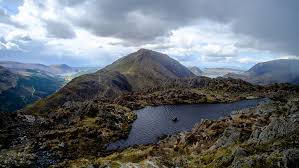
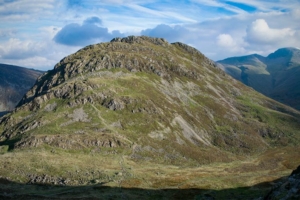
Haystacks is a popular fell in the Lake District, situated at the south-eastern end of the Buttermere Valley. Although not of any great elevation (597 m, 1,958 ft), it has become one of the most popular fells in the area. The fell is known for its intimate rocks and extensive panorama, making it a prime destination for those who love to explore the wild, rugged landscapes of the Lake District.

The fell is named after the pile of stones on its summit, which is believed to have been created by farmers clearing the land for grazing. It has been famously described as “the best fell-top of all” by the renowned fell-walking legend and Lake District cartographer Alfred Wainwright. The height gain of this walk is not huge, so it’s perfectly possible to add a bit more distance to the walk to get it up to a fuller day out.

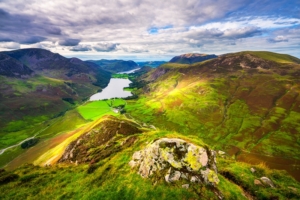
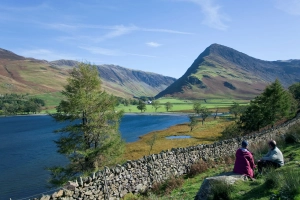
Haystacks is a classic Lake District circular walk with a lot to offer. The walk offers peaceful views over Buttermere and Crummock Water as you go, a varied walking landscape, fun scrambly sections, shallow water to dip your toes in and a stunning summit vista over the central fells. It’s a true gem of the Lake District and has a unique feel compared to most of the other walks in the area.

SEARCH FOR ACCOMMODATION

More About Haystacks

Haystacks Lake District: A Beautiful Hike in the Heart of Cumbria

Haystacks is a popular fell in the Lake District, situated at the south-eastern end of the Buttermere Valley. Although not of any great elevation (597 m, 1,958 ft), it has become one of the most popular fells in the area. The fell is known for its intimate rocks and extensive panorama, making it a prime destination for those who love to explore the wild, rugged landscapes of the Lake District.

The fell is named after the pile of stones on its summit, which is believed to have been created by farmers clearing the land for grazing. It has been famously described as “the best fell-top of all” by the renowned fell-walking legend and Lake District cartographer Alfred Wainwright. The height gain of this walk is not huge, so it’s perfectly possible to add a bit more distance to the walk to get it up to a fuller day out.

Haystacks is a classic Lake District circular walk with a lot to offer. The walk offers peaceful views over Buttermere and Crummock Water as you go, a varied walking landscape, fun scrambly sections, shallow water to dip your toes in and a stunning summit vista over the central fells. It’s a true gem of the Lake District and has a unique feel compared to most of the other walks in the area.

Location

Haystacks is a hill located in the Lake District National Park in Cumbria, England. It is situated at the south-eastern end of the Buttermere Valley, near the village of Buttermere. The hill is part of the Western Fells, which are a group of mountains and hills in the Lake District.

Geography

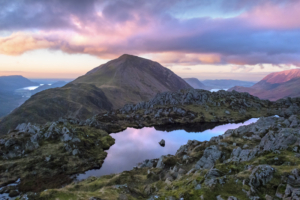
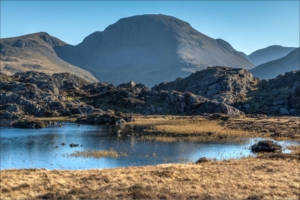
Haystacks has an elevation of 597 metres (1,958 feet) and is not considered to be a particularly challenging climb. However, it is still a popular destination for hikers and offers stunning views of the surrounding landscape. One of the most notable features of Haystacks is Innominate Tarn, a small body of water located near the summit of the hill. This tarn was a favourite spot of the writer and fellwalker Alfred Wainwright, who described it as “a place of great beauty and a place of peace and solitude”.

Access

There are several routes that can be taken to reach the summit of Haystacks, with some starting from the village of Buttermere and others from the Honister Pass. The most popular route is via Scarth Gap, which offers stunning views of the surrounding mountains and valleys. It is a challenging climb, but the views from the summit make it well worth the effort.

There is a car park located in Buttermere, which is a convenient starting point for many of the routes to Haystacks. However, it can get busy during peak season, so it is recommended to arrive early or use public transport if possible. There are also several bus services that run to Buttermere from nearby towns and villages, making it accessible for those without a car.

Wainwright described several routes to the summit in his Pictorial Guides to the Lakeland Fells. Here are two popular routes up Haystacks:

  1. Buttermere Route: Starting from the village of Buttermere, follow the path along the southern shore of Buttermere Lake. After reaching the head of the lake, cross the footbridge over Warnscale Beck and then head uphill on the clear path towards Scarth Gap Pass. Upon reaching Scarth Gap, turn left (east) and follow the path, which includes some easy scrambling, to the summit of Haystacks.

  2. Honister Pass Route: Start at the Honister Slate Mine, located at the top of Honister Pass. Follow the path heading west towards Fleetwith Pike. When you reach the ridge, turn left (south) and follow the clear path across the ridge, descending to Dubs Quarry. From the quarry, continue southwest on the path leading towards the summit of Haystacks. The path includes some easy scrambling as you approach the summit.

Both routes offer stunning views of the surrounding fells and lakes. Remember to wear appropriate clothing, footwear, and carry a map and compass for navigation. The weather in the Lake District can change rapidly, so be prepared for varying conditions.

History

The history of Haystacks in the Lake District is a fascinating one, with its origins dating back many years. The hill has played an important role in the area’s history and is considered a significant landmark by many.

Origins

Haystacks, also known as Hay Stacks, is a hill in England’s Lake District, situated at the south-eastern end of the Buttermere Valley. The name ‘Haystacks’ is believed to have originated from the Old Norse word ‘Heystakkr’, which means ‘hay stack’ or ‘pile of hay’. The hill has been shaped by glaciers and erosion over millions of years, and its unique landscape and geology make it a popular destination for hikers and nature enthusiasts.

Significance

Although not of any great elevation (597 m, 1,958 ft), Haystacks has become one of the most popular fells in the area. It has been immortalised in literature and art, with famous writers and artists such as Alfred Wainwright and Claude Monet drawing inspiration from its beauty. Wainwright, in particular, was a great admirer of the hill and described it as “the best fell-top of all”. He was so enamoured with the summit of Haystacks that his last wish was to have his ashes scattered here.

Haystacks is also significant for its role in the history of the Lake District. It has been used for sheep farming for hundreds of years, and the hill’s unique landscape has played an important role in shaping the culture and traditions of the area. Today, Haystacks is a popular destination for hikers and nature lovers, who come to enjoy its stunning views and unique geology.

Activities

Haystacks in the Lake District offers a variety of outdoor activities for visitors to enjoy. Whether you prefer a leisurely hike, camping under the stars, or fishing in the nearby streams, there is something for everyone to enjoy. Here are some of the top activities to try during your visit:

Hiking

Haystacks is a popular destination for hikers looking to explore the stunning landscapes of the Lake District. The fell is accessible from a number of different routes, including from Honister Pass, Buttermere, and Gatesgarth. Visitors can choose from a range of hiking trails, from easy walks to more challenging routes that offer spectacular views of the surrounding mountains and lakes. The summit of Haystacks offers breathtaking panoramic views of the surrounding landscape, making it a must-visit destination for hikers.

Camping

Camping is a popular activity in the Lake District, and Haystacks offers a number of excellent camping spots for visitors to enjoy. There are a number of campsites in the area, as well as wild camping options for those looking to get off the beaten track. Visitors can choose from a range of different camping options, from basic tent pitches to more luxurious glamping options. Camping is a great way to experience the natural beauty of the Lake District and to get up close and personal with the stunning landscapes.

Fishing

Fishing is a popular activity in the Lake District, and there are a number of excellent fishing spots in the area around Haystacks. Visitors can try their hand at fly fishing in the nearby streams and rivers, or head out onto one of the nearby lakes for a day of fishing. Some of the most popular species to catch in the area include trout and salmon. Fishing permits are required for most areas, so visitors should be sure to check local regulations before heading out.

Wildlife

The Lake District is home to a variety of wildlife, including birds and mammals.

Birds

The Lake District is a birdwatcher’s paradise, with a variety of species to spot. Some of the most common birds found in the area include:

  • Ospreys
  • Golden Eagles
  • Peregrine Falcons
  • Red Kites
  • Merlins
  • Red Grouse
  • Cuckoos
  • Stonechats

Visitors to Haystacks may be lucky enough to spot some of these birds during their hike.

Mammals

While the Lake District is known for its sheep and cows, there are also a variety of mammals that call the area home. Some of the most commonly spotted mammals include:

  • Red Squirrels
  • Badgers
  • Deer
  • Foxes
  • Hedgehogs
  • Bats

Visitors should be respectful of the wildlife and keep a safe distance when observing them.

Conservation

Protection Measures

Haystacks is located in the Lake District National Park, which is a protected area. The park is managed by the Lake District National Park Authority, which is responsible for protecting the natural environment, promoting sustainable tourism, and ensuring that the park is enjoyed by visitors for generations to come.

The park has implemented various protection measures to ensure that Haystacks and other areas are preserved. For example, the park has strict rules on camping and fires, and visitors are encouraged to use designated campsites and follow the “Leave No Trace” principles. The park also has a network of footpaths and bridleways that are maintained to prevent erosion and protect the fragile ecosystem.

Threats

Despite the protection measures in place, Haystacks and the Lake District National Park face several threats. One of the biggest threats is climate change, which is causing changes in the ecosystem and affecting wildlife. The park is also facing pressures from increasing visitor numbers, which can lead to erosion, littering, and disturbance of wildlife.

The park is working to address these threats through various initiatives, such as promoting sustainable tourism and encouraging visitors to use public transport. The park is also working with local communities and businesses to reduce carbon emissions and promote renewable energy.

Overall, the conservation of Haystacks and the Lake District National Park is a complex issue that requires a balance between protecting the natural environment and promoting sustainable tourism. The park is committed to preserving the area for future generations and is working to address the threats it faces.

Conclusion

Haystacks is a must-visit destination for any hiker or outdoor enthusiast. With its stunning views of the surrounding mountains and Buttermere Lake, it is no wonder that Haystacks was one of the favourite fells of the popular walker and author, Wainwright.

There are several routes to choose from when hiking Haystacks, ranging from easy to challenging. One of the most popular routes is the Buttermere and Haystacks Circular trail, which is considered a challenging route and covers a distance of 8.2 miles with an elevation gain of 2,178 ft.

For those looking for a shorter hike, the Haystacks Walk is a true gem of the Lake District and has a unique feel compared to most of the other walks in the area. While out on this beautifully scenic route, you will be exposed to views across the rugged terrain of surrounding mountains, Buttermere, and the nearby Honister Pass, which makes for a memorable afternoon on the trails.

Overall, Haystacks is a great destination for anyone looking for a challenging hike or a leisurely stroll in the beautiful Lake District National Park. With its stunning views and diverse range of trails, it is sure to be a highlight of any trip to the area.

Highly Recommended Hotels Nearby

Skiddaw Hotel Keswick

Skiddaw Hotel

The Skiddaw Hotel in Keswick is a newly refurbished four-star hotel located in the heart of the picturesque market town of Keswick. The hotel offers

Buttermere Court Hotel

Buttermere Court Hotel

Buttermere Court Hotel is a family-run hotel located in the heart of the Lake District National Park in Cumbria. The hotel is nestled between two

The Samling

The Samling

The Samling Hotel, Windermere: A Picturesque Retreat in the Heart of the Lake District Nestled amidst the stunning landscape of the Lake District, The Samling
Nearby Attractions

Honister Slate Mine

Honister Slate Mine

The Honister Slate Mine is located in the Lake District in Cumbria, England. It is the last working slate mine in the country. The mine

Pillar

Pillar

Pillar is a mountain located in the western part of the English Lake District. It is situated between the valleys of Ennerdale to the north

Great Gable

Great Gable

Great Gable is a mountain located in the Western Fells of the Lake District of England. It is one of the most iconic and popular

Crummock Water

Crummock Water

Nestled within the verdant embrace of England’s Lake District, Crummock Water lies in silent repose. It’s a hidden gem that has captured the hearts and

Buttermere

Buttermere

Length (km) Max Width (km) Area (km²) Volume (m³) Mean Depth (m) Max Depth (m) Surface Elevation (m) Nestled amidst the breathtaking beauty of England’s

Whinlatter Forest Park

Whinlatter Forest

Whinlatter Forest is a true gem of the Lake District, located in Cumbria, England. It is the only mountain forest in the country and offers

Latest News

Lake District Agricultural Shows

Lake District Agricultural Shows 2024

Agricultural shows in the Lake District are a vital part of Cumbria’s rural life. These events attract locals and tourists, boosting the economy and celebrating

Wild Haweswater

Wild Haweswater Wins Global Award

The Lake District is famous for its beautiful landscapes and peaceful scenery. Recently, it has gained global attention for an amazing environmental project. The Wild

Laik Holiday Lettings

Laik Holiday Lettings Nominated

The Lake District is renowned for its stunning landscapes and tranquil atmosphere. It’s a top destination for nature enthusiasts and adventure seekers. Within this breathtaking