The Lake District is one of the most beautiful regions in England, known for its stunning landscapes, crystal clear lakes, and diverse wildlife. The area is home to a unique range of flora and fauna, making it an ideal destination for nature lovers and wildlife enthusiasts.
From red squirrels and otters to peregrine falcons and golden eagles, the Lake District is teeming with wildlife. Visitors can explore the region’s many nature reserves, forests, and wetlands, where they can observe a wide variety of bird species and other animals in their natural habitat. The Lake District is also home to a number of rare and endangered plant species, making it an important conservation area.
Geography and Climate of the Lake District
The Lake District is a mountainous region located in the North West of England. It covers an area of approximately 2,362 square kilometers and is home to England’s highest mountain, Scafell Pike, which stands at 978 meters tall. The region is also known for its longest and deepest bodies of water, including Windermere, Ullswater, and Derwentwater.
The Lake District’s landscape is characterized by its mountains, valleys, and lakes. The region’s mountains, known locally as “fells,” were formed over millions of years by geological processes. The fells are made up of a variety of rock types, including slate, limestone, and sandstone, which give them their unique shapes and colors.
The Lake District’s climate is influenced by its location on the western coast of England. The region experiences mild winters and cool summers due to the moderating effect of the Atlantic Ocean. The average temperature in the Lake District ranges from 6°C in winter to 19°C in summer. The region also receives a lot of rainfall, with an average of 200 rainy days per year.
The Lake District’s climate and geography provide a unique habitat for a variety of flora and fauna. The region’s diverse landscape supports a rich and varied ecosystem, including rare and endangered species. Visitors to the Lake District can expect to see a range of wildlife, from red squirrels and otters to birds of prey like the golden eagle and peregrine falcon.
Mammals of the Lake District
The Lake District is home to a diverse range of mammals, some of which are unique to the region. Visitors to the area may be lucky enough to spot some of these fascinating creatures in their natural habitats.
One of the most iconic mammals of the Lake District is the red deer. These majestic animals can often be seen in the more remote areas of the region, such as the forests and woodlands. They are the largest land mammal in the UK and can weigh up to 190kg.

Another common sight in the Lake District is the badger. These nocturnal creatures are found throughout the region and can often be spotted foraging for food in the evenings. They are known for their distinctive black and white markings and can grow up to 90cm in length.

The otter is another fascinating mammal that can be found in the Lake District. These elusive creatures are often seen swimming in the region’s rivers and lakes, and are known for their playful nature. They can grow up to 1.3m in length and weigh up to 12kg.
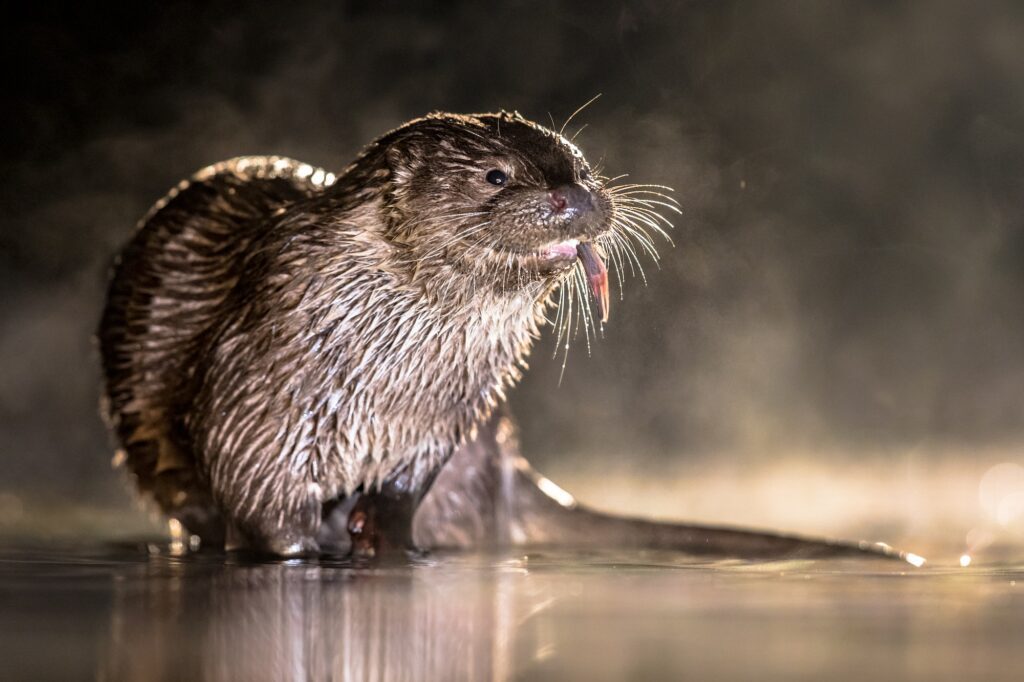
Other mammals that can be found in the Lake District include foxes, pine martens, and red squirrels. These animals are all native to the UK and can be spotted in various parts of the region.
It is important to remember that while these animals are fascinating to observe, visitors should always respect their natural habitats and keep a safe distance. The Lake District is a protected area, and it is important to preserve the region’s unique flora and fauna for future generations to enjoy.

Birds of the Lake District
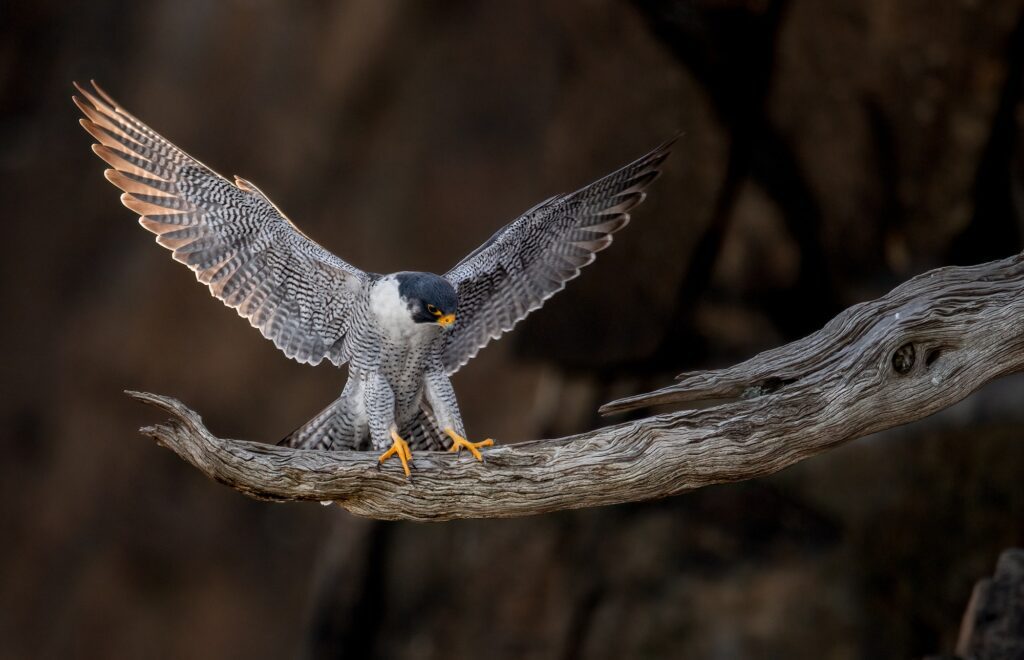
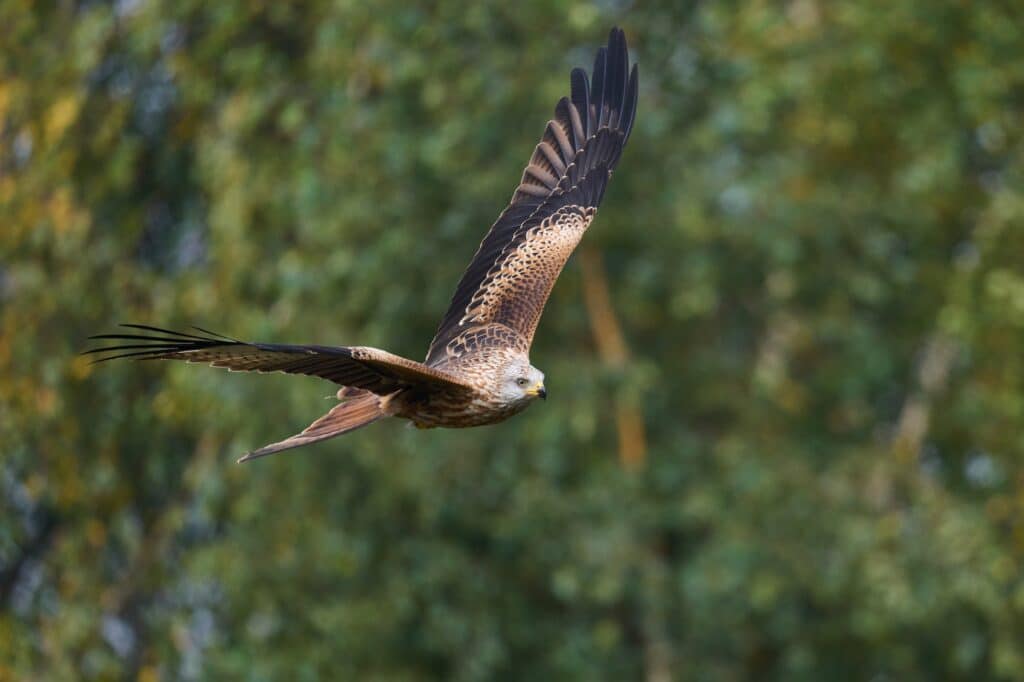
The Lake District is home to a wide variety of bird species, making it a popular destination for birdwatchers from around the world. Here are some of the most notable birds you might spot during your visit:



Fish and Aquatic Life of the Lake District
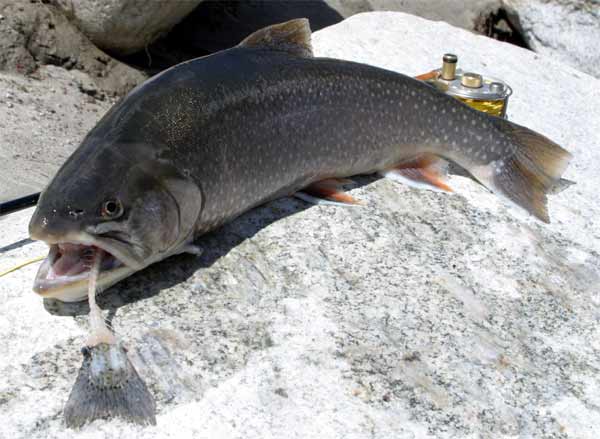
The Lake District is home to a diverse range of aquatic life, from fish to invertebrates. The lakes are a vital habitat for many species of fish, including the Vendace, Schelly, and Arctic Charr, all of which are rare and endangered.
Insects and Other Invertebrates of the Lake District
The Lake District is home to a diverse range of invertebrates, including a variety of insects. Here are some of the most common species that visitors might encounter:
- Butterflies and moths: The Lake District is home to several species of butterfly, including the common blue, green hairstreak, and small pearl-bordered fritillary. Visitors might also spot moths such as the oak eggar and the emperor moth.
- Beetles: There are over 4,000 species of beetle in the UK, and the Lake District is home to many of them. Visitors might spot the violet ground beetle, the rose chafer, or the common sexton beetle.
- Spiders: The Lake District is home to several species of spider, including the garden spider, the wolf spider, and the zebra spider. Visitors might also spot the rare raft spider, which lives on the surface of water.
In addition to these species, visitors might also encounter other invertebrates such as snails, slugs, and worms. These creatures play an important role in the ecosystem of the Lake District, helping to break down organic matter and recycle nutrients. It is important to remember that many of these species are fragile and should be treated with care. Visitors should avoid disturbing or harming them, and should take care not to damage their habitats. Overall, the Lake District is a fascinating destination for anyone interested in the natural world. With its diverse range of flora and fauna, it offers a unique opportunity to explore and learn about the rich biodiversity of this beautiful region.
Flora of the Lake District
The Lake District is home to a diverse range of flora, ranging from common wildflowers to rare species found nowhere else in the UK. The region’s unique geography and climate have created a habitat that supports a wide variety of plant life.
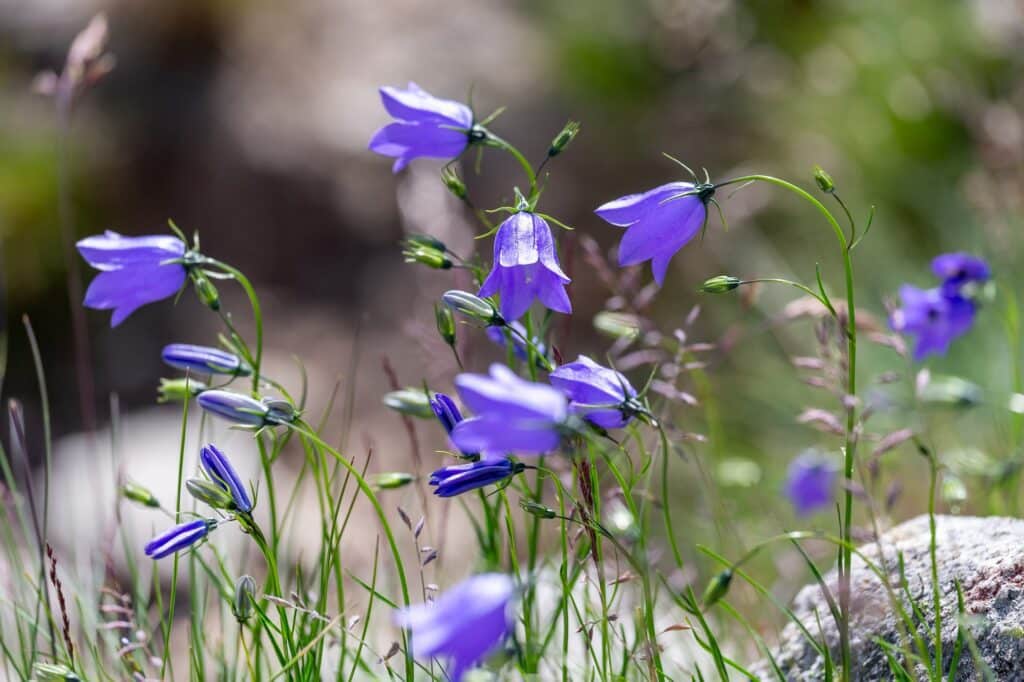
One of the most iconic flowers of the Lake District is the bluebell. These beautiful flowers can be found in abundance in the spring, carpeting the woodland floors with a sea of blue. Other common wildflowers found in the region include primroses, cowslips, and foxgloves, which can be seen growing in meadows and along hedgerows.
For those interested in rare and unusual flora, the Lake District has plenty to offer. One such plant is the Lady’s Slipper Orchid, which can be found growing in the wild in only a few locations in the UK, including the Lake District. The orchid is protected under UK law, and visitors are asked to admire it from a distance to avoid damaging the delicate plant.
The Lake District is also home to a number of tree species, including oak, ash, and beech. The region’s woodlands are an important habitat for a variety of wildlife, including birds, insects, and small mammals. In recent years, efforts have been made to increase the amount of native woodland in the Lake District, to help support the region’s biodiversity.
Conservation Efforts in the Lake District
The Lake District is home to a diverse range of flora and fauna, and conservation efforts are in place to protect and preserve these unique species. The Lake District National Park Authority and various conservation organizations work together to ensure the protection of the region’s wildlife.
One of the most notable conservation efforts in the Lake District is the protection of the Red Squirrel population. Due to the introduction of the Grey Squirrel, which carries the squirrelpox virus, the number of Red Squirrels has significantly decreased. The Lake District National Park Authority has implemented measures to control the Grey Squirrel population and protect the Red Squirrels.
In addition to protecting the Red Squirrel population, conservation efforts also focus on preserving the region’s diverse habitats. The Lake District is home to a variety of habitats, including woodlands, fells, and wetlands. The Lake District National Park Authority works to maintain and restore these habitats to ensure the survival of the species that rely on them.
The Lake District is also home to several rare and endangered species, including the Osprey and the Natterjack Toad. Conservation organizations work to protect these species through habitat restoration, monitoring, and education programs.
Overall, conservation efforts in the Lake District are crucial to preserving the region’s unique flora and fauna. Through cooperation between the Lake District National Park Authority and conservation organizations, the region’s wildlife can continue to thrive for generations to come.

Jon is a regular contributor to several outdoor living and lifestyle news publications, concentrating on The Lake District. Now living in Glenridding, Jon studied journalism at Edinburgh University.