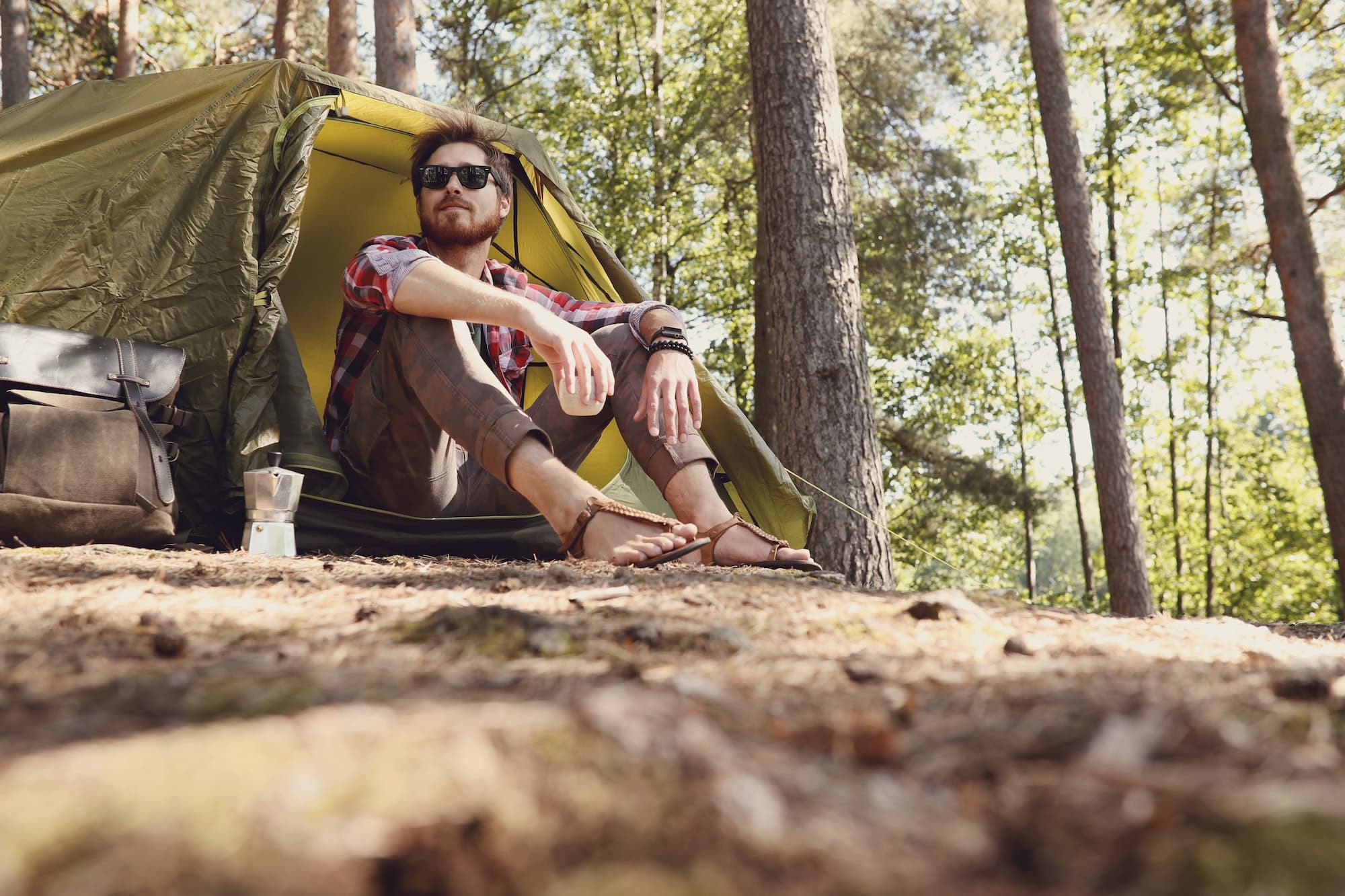
Wild camping can offer a memorable way to experience the Lake District’s mountains, but the most important part of the experience is respecting the land, its wildlife, other walkers and the people who live and work here. Responsible behaviour begins before you pitch a tent and continues until you have left the area exactly as you found it.
First, understand the rules: There is no general right to wild camp in the Lake District without landowner permission. The National Park Authority says discreet camping is normally tolerated in certain high-fell circumstances if its guidance is followed, but tolerance is not legal permission. Landowners or their representatives can require campers to move on. See the official Lake District National Park wild camping guidance.
12 Principles of Responsible Wild Camping Etiquette
1. Seek permission and never assume access means camping rights
The right to walk across open-access land does not create a right to put up a tent. Seek the landowner’s permission if you wish to camp, and obey any site restrictions. If asked to move by a landowner or their representative, pack up politely and comply. For a guaranteed legal overnight stay, book an established campsite.
2. Avoid lakeshores, roadsides and car parks
The National Park’s tolerance guidance refers to inconspicuous camping above the highest fell wall, away from towns, villages and lake shores. Camping in roadside verges or car parks is not allowed. Lowland or lakeside ‘fly camping’ is not the same as discreet high-fell wild camping. Do not block paths, field entrances or access for residents and farmers.
3. Keep groups very small
Large groups create noise, vegetation damage and pressure on fragile ground. The Park Authority advises just one or two small, unobtrusive tents in the circumstances it normally tolerates. If your group needs more space, a designated campsite is the right choice.
4. Arrive late, leave early and stay for only one night
A discreet overnight stop should not become a semi-permanent camp. The Authority advises pitching late in the evening and departing early the following morning, remaining for only one night. Do not spread equipment over a wide area or leave your tent unattended.
5. Leave absolutely no litter
Take home everything you bring, including food scraps, packaging, tissues, wipes, cigarette ends, tent pegs and small pieces of cord. Do not bury rubbish or leave biodegradable waste behind: it still attracts animals and changes the environment. If safe, picking up an item of litter left by someone else is a useful extra contribution.
6. Never light a campfire or barbecue
Open fires and disposable barbecues can scar the ground, damage vegetation and create a serious wildfire risk. The National Park’s wild camping guidance is explicit: do not light fires, even at a previously used fire site. If you need hot food, consider preparing it at an official campsite with suitable facilities. Any use of a camping stove must follow the land manager’s rules, current restrictions and fire-safety precautions; never cook inside a closed tent.
7. Protect watercourses and manage toilet waste carefully
Choose a pitch well away from streams, springs and lake shores. Use proper toilets before heading into the hills whenever possible. The National Park recommends doing toilet duties at least 30 metres from water and burying human waste responsibly with a trowel where appropriate. Carry out used toilet paper, wipes and sanitary products in sealed bags; do not bury or burn them. Read the Authority’s full hygiene instructions before setting off.
8. Choose a durable, dry pitch without altering the ground
Avoid delicate vegetation, boggy ground, eroded areas and places where ground-nesting birds or livestock could be disturbed. Use a naturally suitable pitch rather than digging drainage channels, cutting branches, removing turf or shifting rocks. Your chosen spot should leave no visible damage when you depart.
9. Respect wildlife, livestock and nesting seasons
Watch animals from a distance, keep noise low and never feed wildlife. Avoid disturbing birds, particularly during nesting season. Keep dogs under close control and follow the Countryside Code, including lead requirements around livestock. If animals appear unsettled, give them space and move away.
10. Be considerate of other people
Do not block rights of way, create excessive light or play amplified music. Keep voices low, particularly near other visitors or isolated homes. Avoid sharing the exact locations of sensitive or overused pitches online: repeated visits can quickly cause erosion and litter problems.
11. Prepare for changing mountain weather
Lake District weather can deteriorate quickly, especially on exposed fells. Check a suitable mountain forecast, know the route both in and out, and carry reliable navigation, a head torch, spare power, warm clothing and suitable emergency equipment. Do not continue to an exposed camping spot when wind or other conditions exceed your experience or equipment.
12. Leave the pitch exactly as you found it
Before leaving, check where you slept, cooked and packed. Look carefully for micro-litter, pegs, food fragments or damaged vegetation. The aim is simple: the next visitor should not know anyone camped there.
Wild Camping vs Fly Camping: What’s the Difference?
In Lake District guidance, wild camping generally describes small-scale, inconspicuous overnight camping away from facilities in remote upland settings. Fly camping commonly refers to inappropriate roadside, car-park or lakeshore camping, sometimes involving large groups, vehicles, fires or litter. Neither term gives you automatic permission to camp. The Park Authority does not permit camping in its car parks or on roadside verges. Motorhomes and campervans have separate parking and overnight-stay rules.
Before You Set Out: A Simple Etiquette Checklist
- Check whether you have landowner permission or choose an established campsite.
- Read the Park Authority’s current wild camping guidance and any local restrictions.
- Check the mountain weather forecast and prepare an alternative plan.
- Use a small tent and minimise the total area you occupy.
- Carry bags for all litter, toilet paper and sanitary waste.
- Leave fires and disposable barbecues out of the plan.
- Carry a map, compass, suitable lighting, extra layers and emergency essentials.
- Be ready to leave promptly and without argument if asked.
Choosing a Lower-Impact Alternative
You don’t have to wild camp to experience quiet nights in the Lake District. Official campsites provide legitimate places to pitch, toilet facilities and often good access to footpaths. The National Park’s campsite directory is a good place to start. For an introduction to planning an overnight stay, see our broader guide to wild camping in the Lake District.
For practical equipment advice, explore our backpacking tent comparison, tent weight guide, walking emergency kits and map and compass advice.
Frequently Asked Questions
Is wild camping legal in the Lake District?
There is no general right to camp without landowner permission. Certain discreet high-fell wild camping is normally tolerated under the National Park Authority’s published guidance, but that is not a legal entitlement and landowners can ask campers to leave.
Can I wild camp beside Windermere, Ullswater or Derwentwater?
The National Park’s guidance says to stay well away from lake shores. Choose an official campsite if you want to stay beside a lake.
Are campfires allowed when wild camping?
No: the National Park’s wild camping guidance expressly says not to light fires, even where someone else has previously made a fire site.
Can I sleep in a campervan at a roadside parking spot?
Do not confuse vehicle overnight parking with remote wild camping. The National Park says car-park and roadside-verge camping is not allowed; consult its specific campervan guidance and use an authorised site.
What should I do if the weather changes?
Prioritise safety, even if that means abandoning your original plan. Check mountain forecasts, have a retreat route and choose a campsite or other safe accommodation rather than pushing on to exposed terrain.
Reviewed November 2026. Always check current landowner conditions and the National Park Authority’s published guidance before travelling.

A former British Military Officer, Eddie went on to study History and then Journalism at Sheffield Hallam University. A keen outdoorsman, he has co-written several books on Outdoor Survival and Wild Camping. Now living in Penrith, Ed is a keen fellrunner.