

Best Backpacking Tents for the Lake District
Lightweight tent choices, useful specifications and practical advice for camping in changeable Lakeland weather.
A good backpacking tent should balance packed weight, interior space, ventilation and a dependable pitch. The Lake District’s wind and rain make campsite selection and correct pitching particularly important. We are refreshing our recommendations using individual manufacturer specifications and UK product links.
Lightweight two-person choice: Vango F10 Xenon UL 2



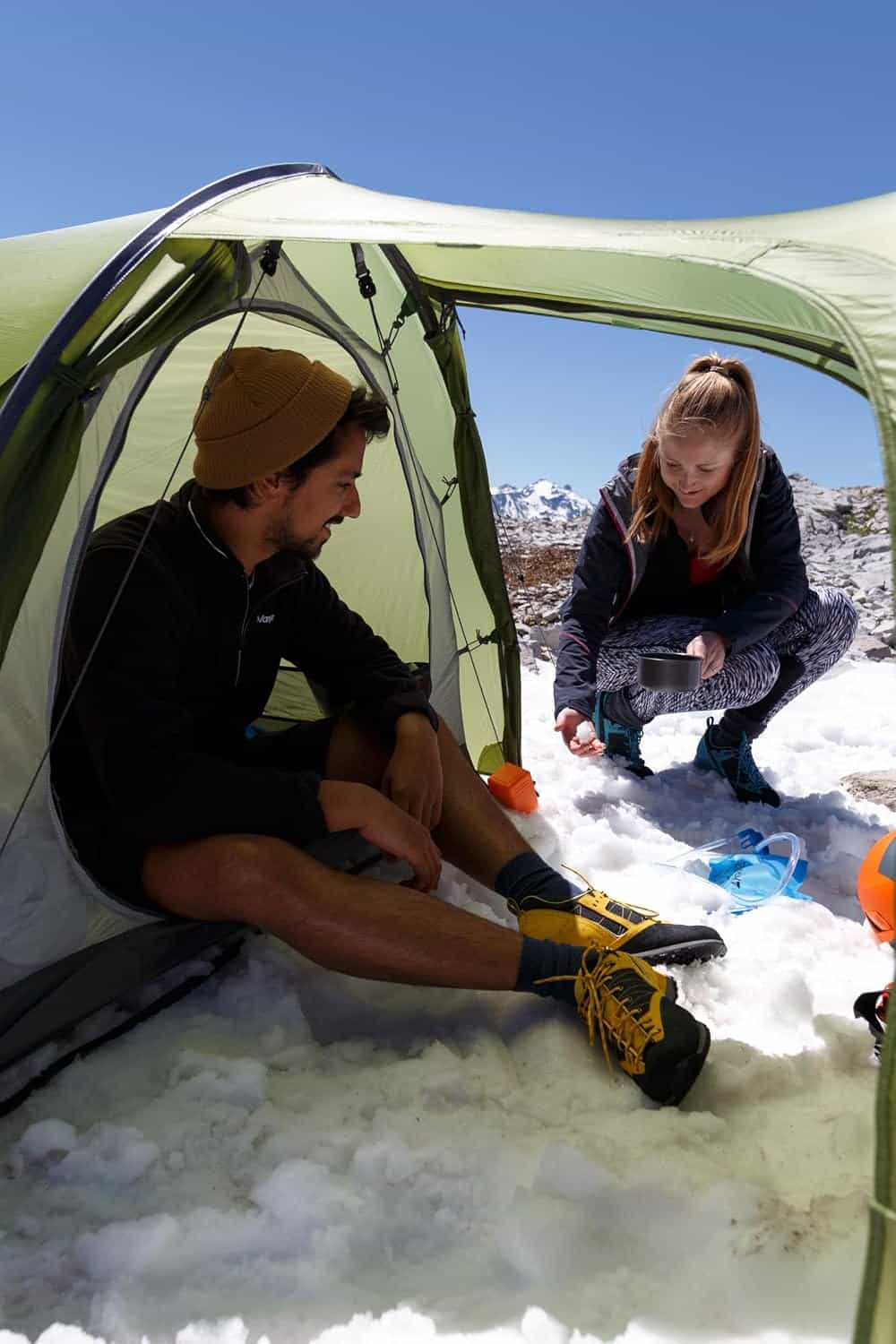

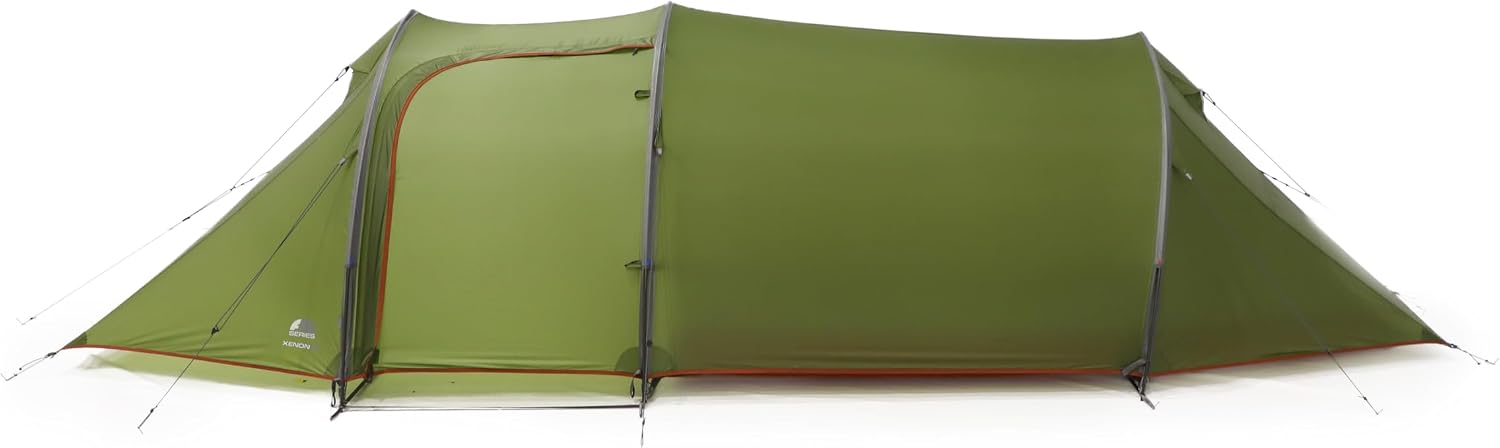
Compact two-person tunnel tent
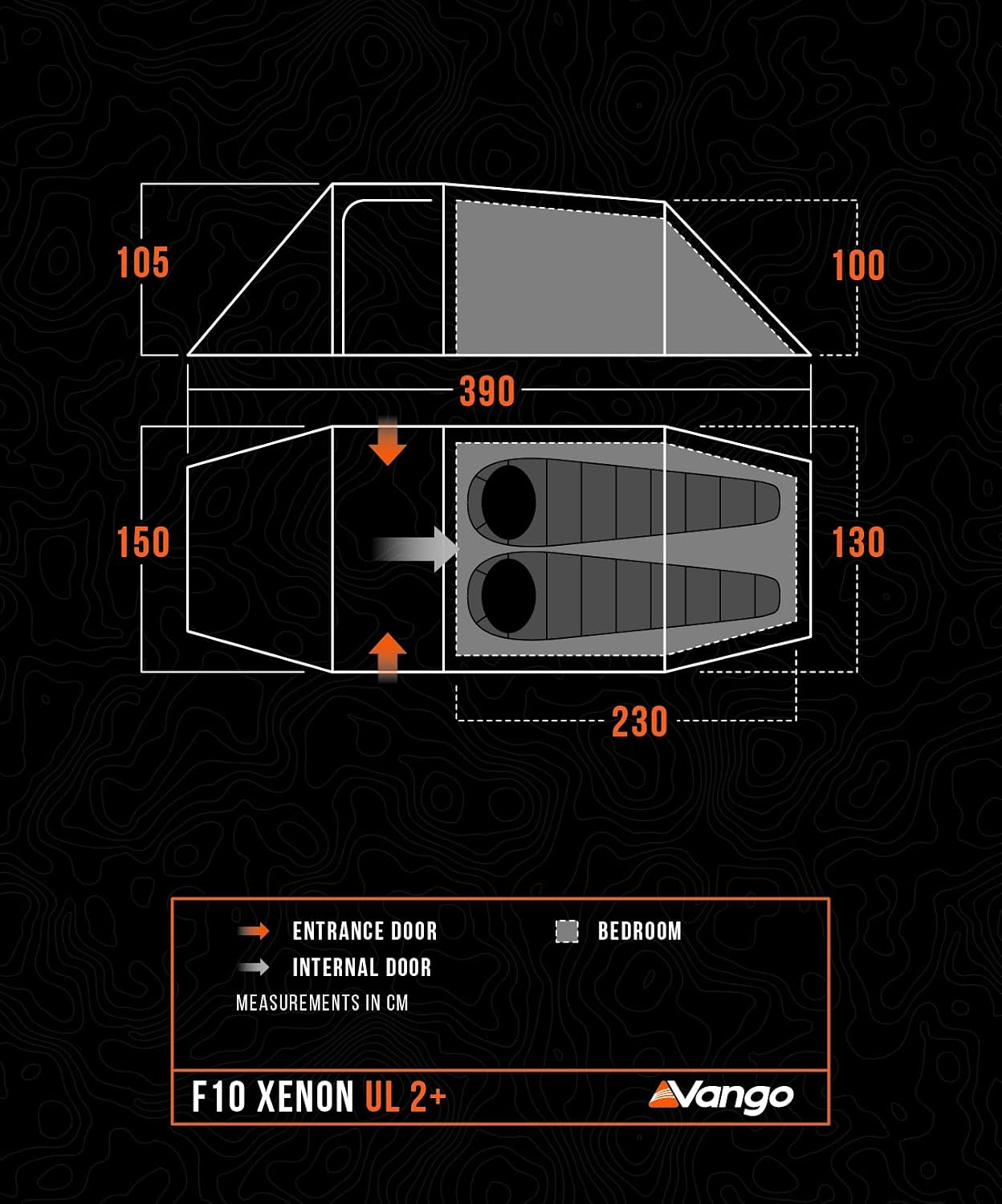
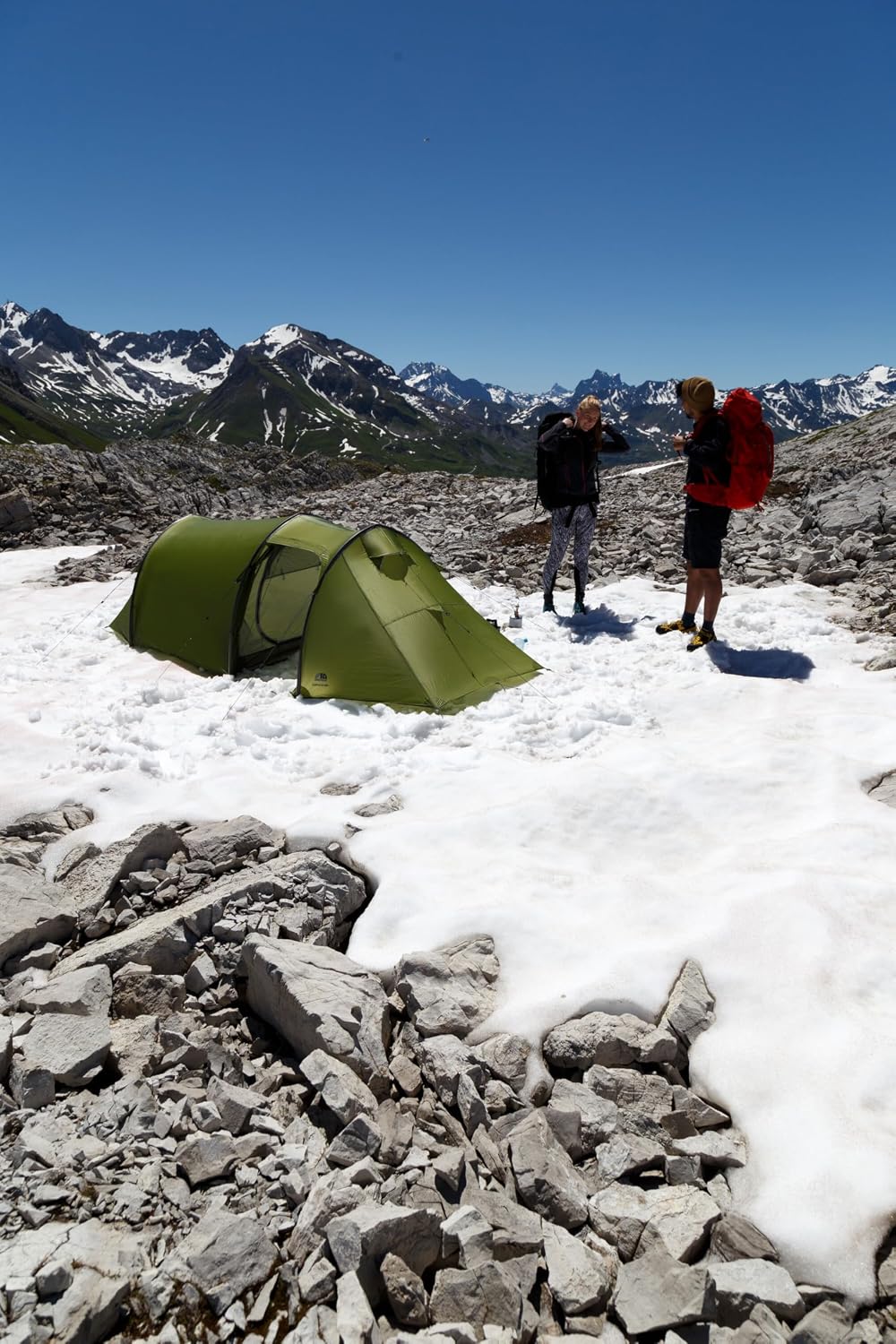
Vango F10 Xenon UL 2
The Xenon UL 2 is a lightweight, two-pole tunnel tent with an all-in-one pitch, Gothic Arch poles and Vango’s TBS Pro internal tension bands. It’s designed for trekking and bikepacking where a compact packed size and useful headroom are priorities.
- Capacity: two people
- Total weight: 1.9kg
- Trail weight: 1.64kg; excludes some packed items
- Pack size: approximately 40 × 13cm diameter
- Flysheet: ProTex 15.SRN, 3,000mm hydrostatic head
- Groundsheet: 70D ripstop nylon, 6,000mm hydrostatic head
- Pitching: inner and flysheet together, with manufacturer-estimated pitching time of 7 minutes
- Features: roof vent, mesh inner-door section, internal pockets and guylines
Premium low-weight option: Terra Nova Laser Compact 2
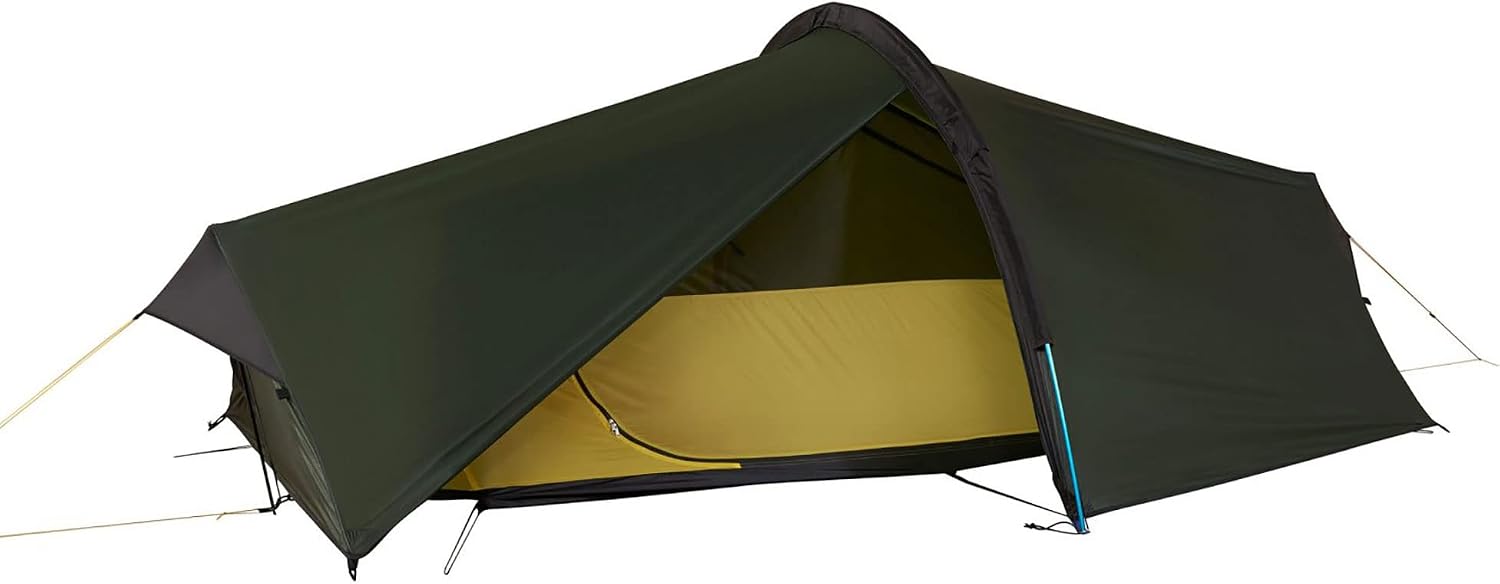
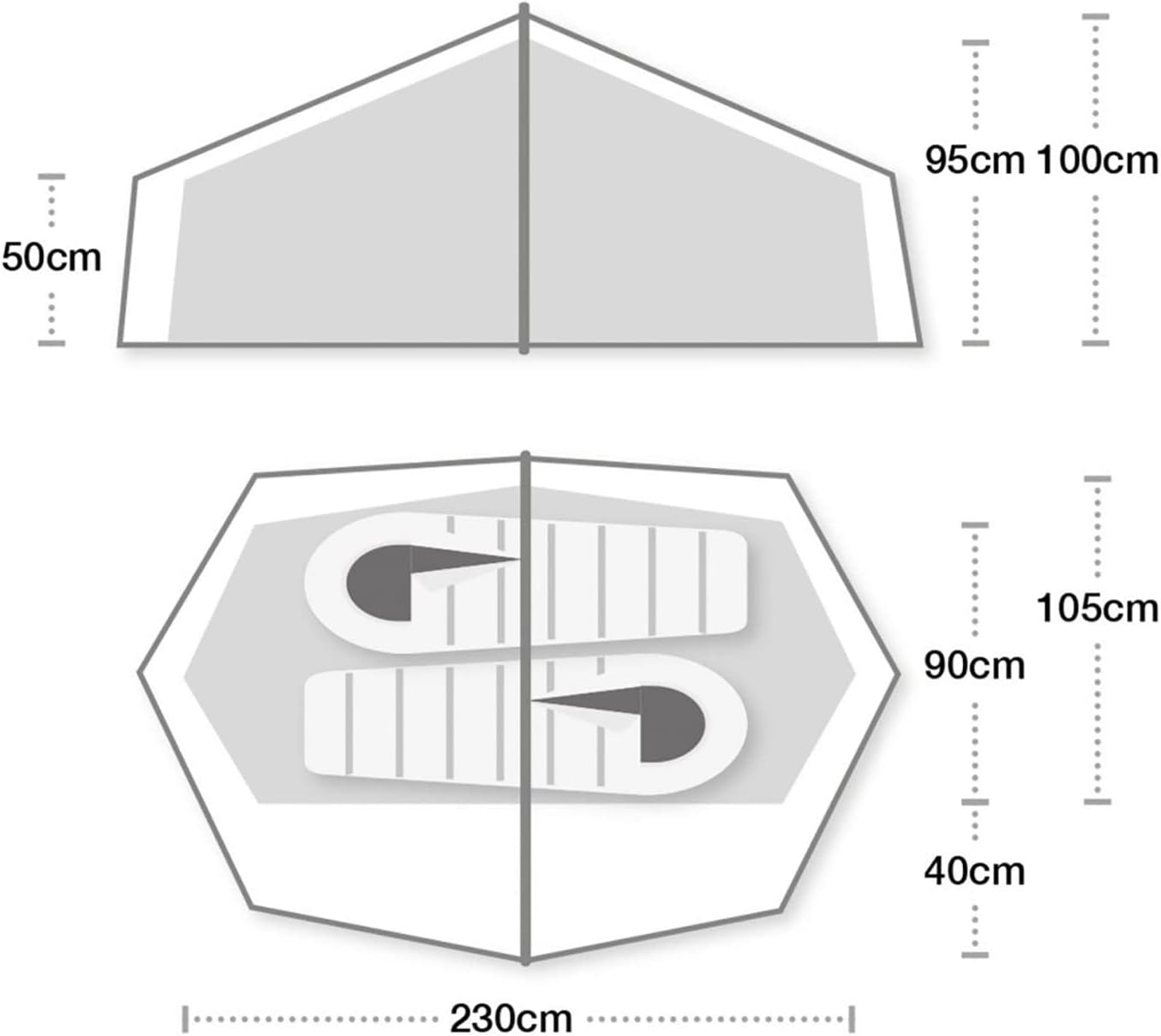


Low-weight compact backpacking tent
Terra Nova Laser Compact 2
A low-profile three-season tent aimed at backpackers, cyclists and solo campers who value a short packed length. It is sold as a two-person tent, although its interior may feel close-fitting for two adults and bulky equipment.
- Capacity: up to two people, with a snug sleeping space
- Typical published packed weight: approximately 1.23–1.28kg, depending on edition
- Packed length: approximately 30cm; around 14–15cm diameter
- Season: three-season backpacking, not a dedicated winter mountaineering tent
- Pitching: flysheet and inner can be pitched together
- Construction: low-profile tunnel-style shape with alloy poles, reflective guylines and a gear porch
- Ventilation: inner mesh sections and end vents help manage condensation
- Waterproofing: flysheet and groundsheet ratings vary by model year; confirm the exact edition
Weather-focused alternative: Berghaus Cheviot 2


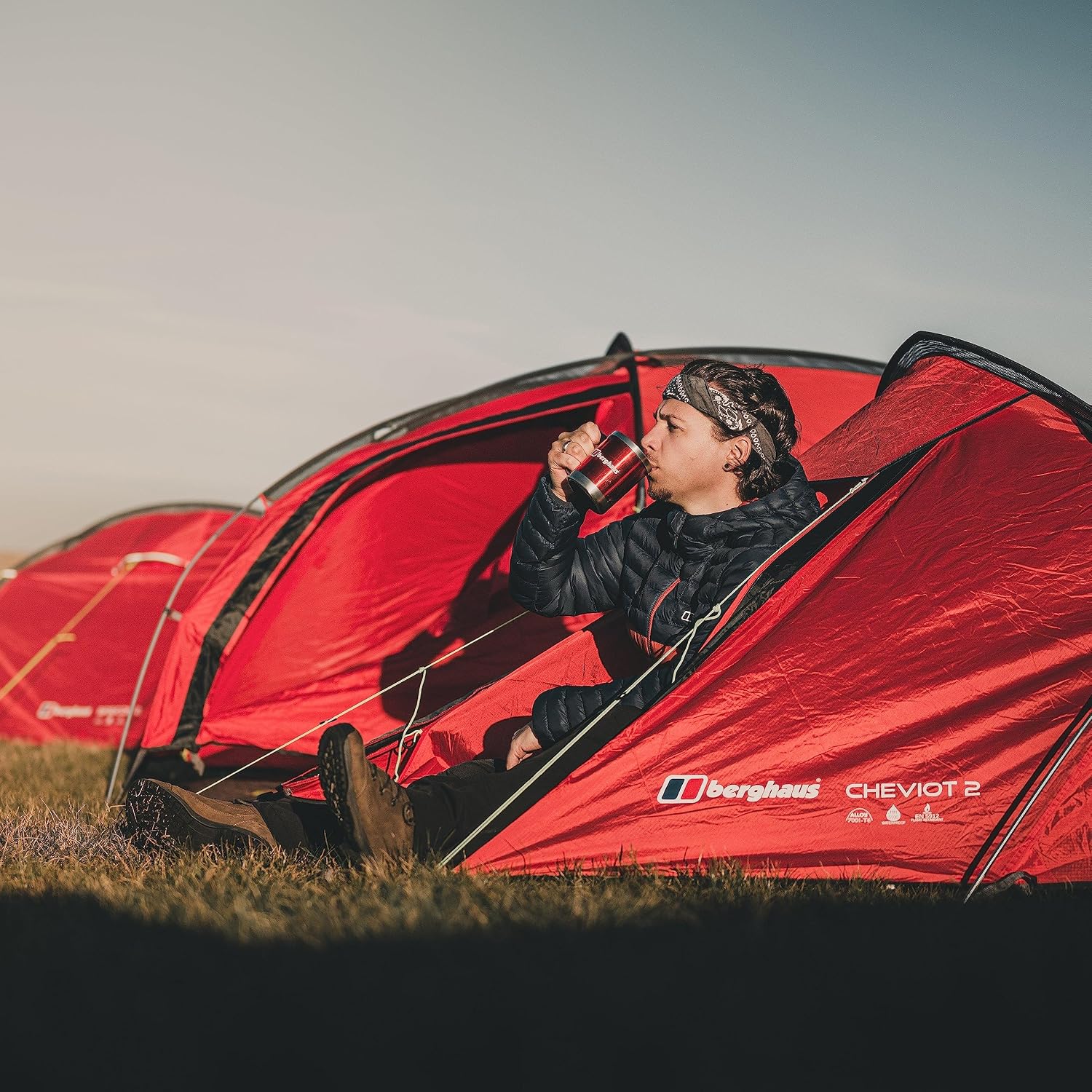
Sturdier two-person backpacking tent
Berghaus Cheviot 2
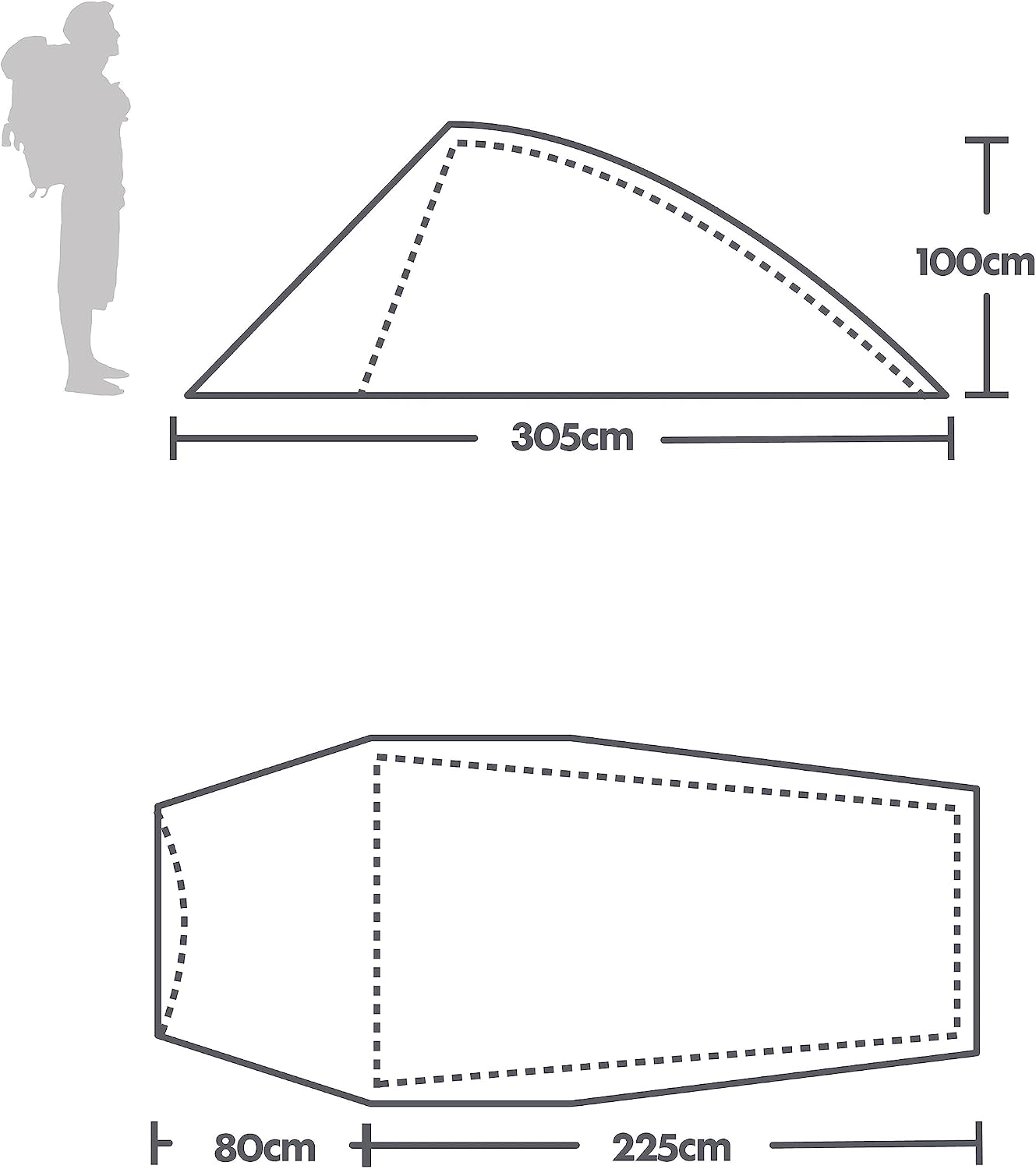
A practical semi-geodesic two-person tent with alloy poles, tension straps and a protective tub-style sleeping compartment. Its weather-focused structure and high flysheet hydrostatic-head rating are attractive for variable Lakeland conditions, but at 3.05kg it is substantially heavier than the other two tents in this guide.
- Capacity: two people
- Weight: 3.05kg
- Packed size: 50 × 16 × 16cm
- Flysheet: polyester ripstop with 5,000mm hydrostatic head
- Structure: semi-geodesic design with aluminium alloy poles and tension straps
- Interior: tub-style bedroom, one zipped door and internal storage pockets
- Manufacturer’s estimated pitch time: seven minutes; practise before a trip
- Best suited to: shorter carries, shared loads and campsite use where resilience takes priority over minimum backpack weight
What to look for in a backpacking tent
Trail weight versus total weight
Trail weight is usually the minimum shelter set-up, while total or packed weight includes additional components such as pegs, bags and guylines. Compare total carried weight if you are planning a long walk.
Pitching in changeable weather
All-in-one pitching can keep the inner tent sheltered while you put it up in rain. Practise pitching at home and use all required pegs and guylines. A hydrostatic head rating describes fabric water resistance, not the tent’s ability to withstand every storm.
Space for people and backpacks
A nominal two-person tent can be cosy for two adults with large packs. Check floor dimensions, usable headroom and vestibule space before deciding. Consider where wet boots and equipment can be stored without blocking exits.
Camping responsibly in the Lakes
Check site rules and landowner permission. Wild camping is not a general legal right in the Lake District; avoid sensitive locations, keep your pitch small and leave no trace. Never pitch in locations exposed to dangerous wind, flooding or falling rocks.
Affiliate disclosure: As an Amazon Associate, we earn from qualifying purchases. Specifications are based on manufacturer information and can vary by edition; prices and availability are not quoted.
Editorially updated November 2026.

“One more fell from a great mood…” Chris writes for numerous online publications, having studied at The University College of North Wales, Bangor. He is regularly in The Lake District and enjoys wild camping, hiking and watersports. His favourite location? Muncaster Castle…