
Best Walking Poles for Lake District Walks
From the rocky descents of Catbells to longer days on the fells, trekking poles can offer extra points of contact and help distribute effort. Here’s how to choose a sensible pair for Lakeland terrain.

Which trekking poles should you choose?
Most hillwalkers: adjustable aluminium poles with external lever locks are a versatile starting point. Regular long-distance walkers: prioritise comfortable grips, well-designed straps and reliable locks. Travellers and people who frequently stow poles: folding Z-style poles can pack shorter, although some are fixed-length. Occasional walkers: a modestly priced pole may be all you need.
Poles can be helpful on loose or uneven ground, but they are not a substitute for suitable footwear, navigation, judgement or the use of your hands on scrambles.
Four walking poles worth considering
These are different types of pole, not a claimed laboratory-tested ranking. Compare adjustment range, packed size, intended use and whether the seller supplies one pole or a pair.
01 / BEST ALL-ROUND VALUE

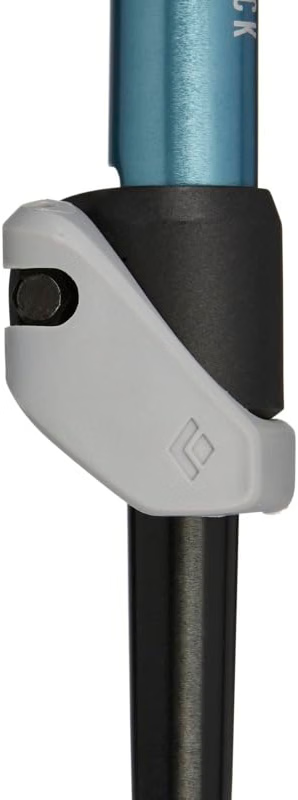


Black Diamond Trail Back
Three-section aluminium poles with FlickLock adjustment and extended grips. A sensible starting point for regular hillwalkers who value straightforward adjustment and durable construction.
Adjustable 100–140cm; check retailer listing for current pair price.
02 / BEST FOR FREQUENT FELLWALKING


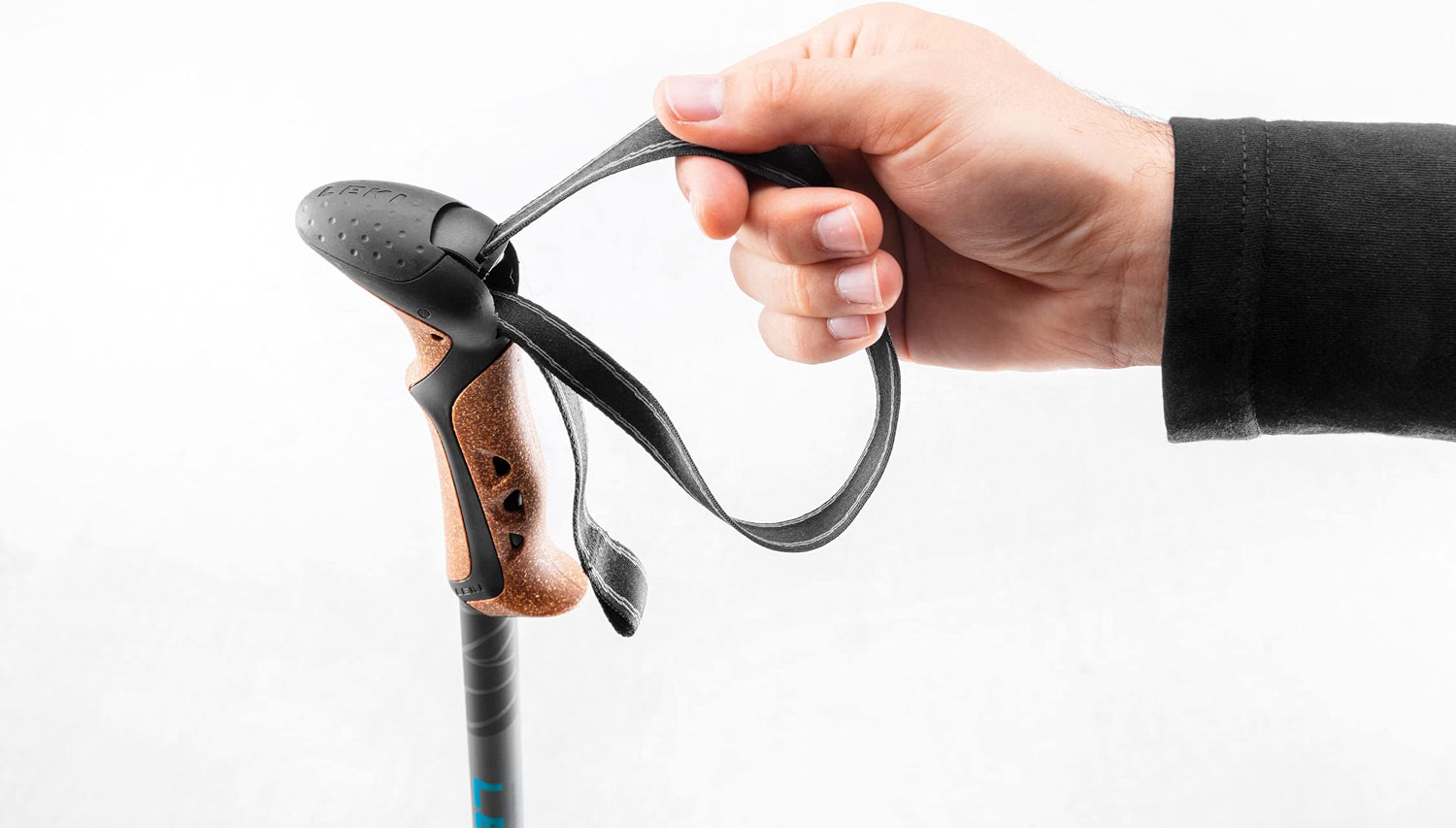
LEKI Khumbu Lite
Aluminium trekking poles with Speed Lock Plus adjustment and Aergon grips. Worth comparing for walkers who spend plenty of time on steep ascents and descents.
Adjustable 100–135cm; published LEKI weight 245g per pole.
03 / BEST COMPACT FOLDING OPTION

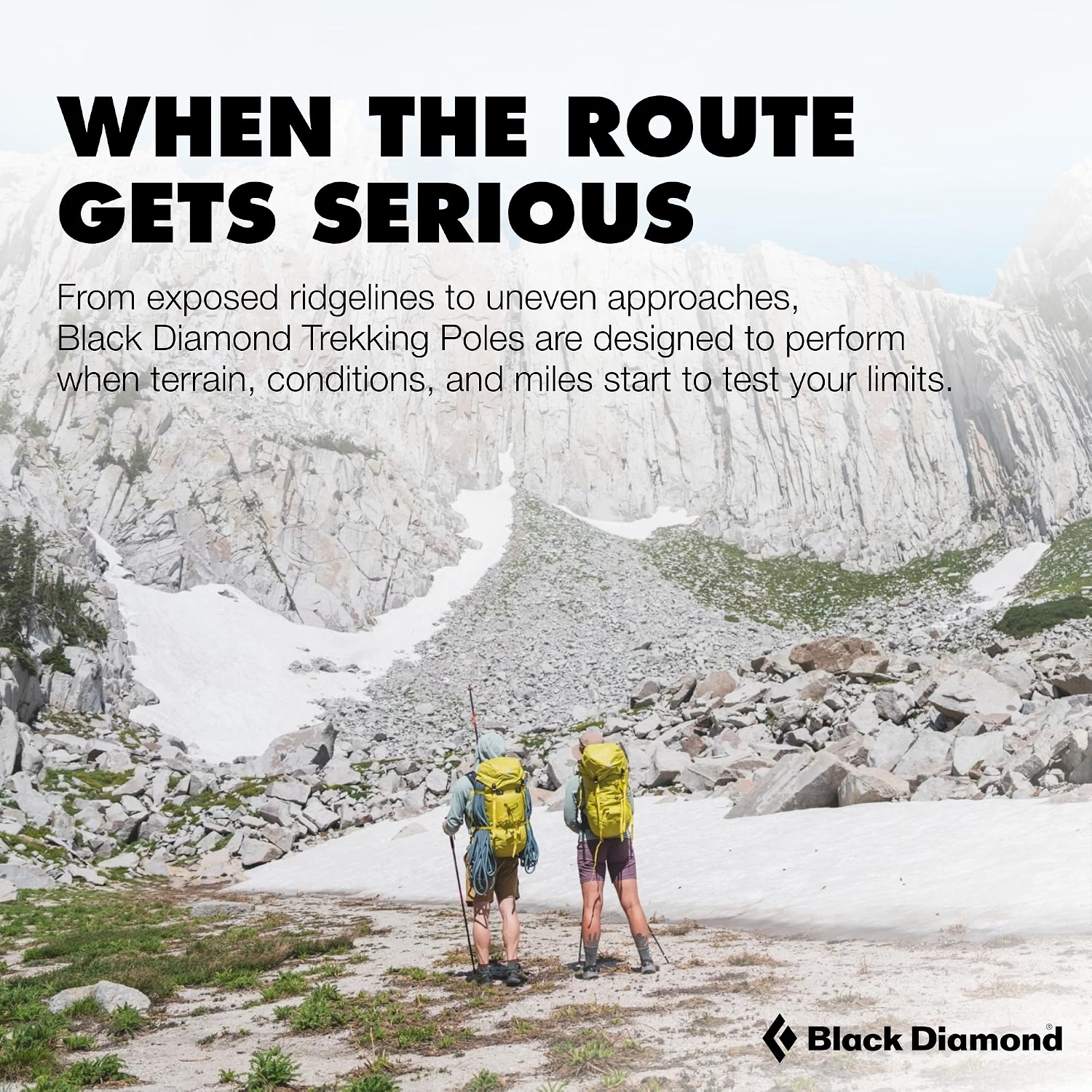


Black Diamond Distance Z
A Z-fold aluminium design for walkers and trail runners who frequently stow their poles. Choose length carefully: this is a fixed-length design rather than an ordinary adjustable telescopic pole.
Several fixed lengths available; packed length depends on size.
04 / BEST BUDGET OPTION
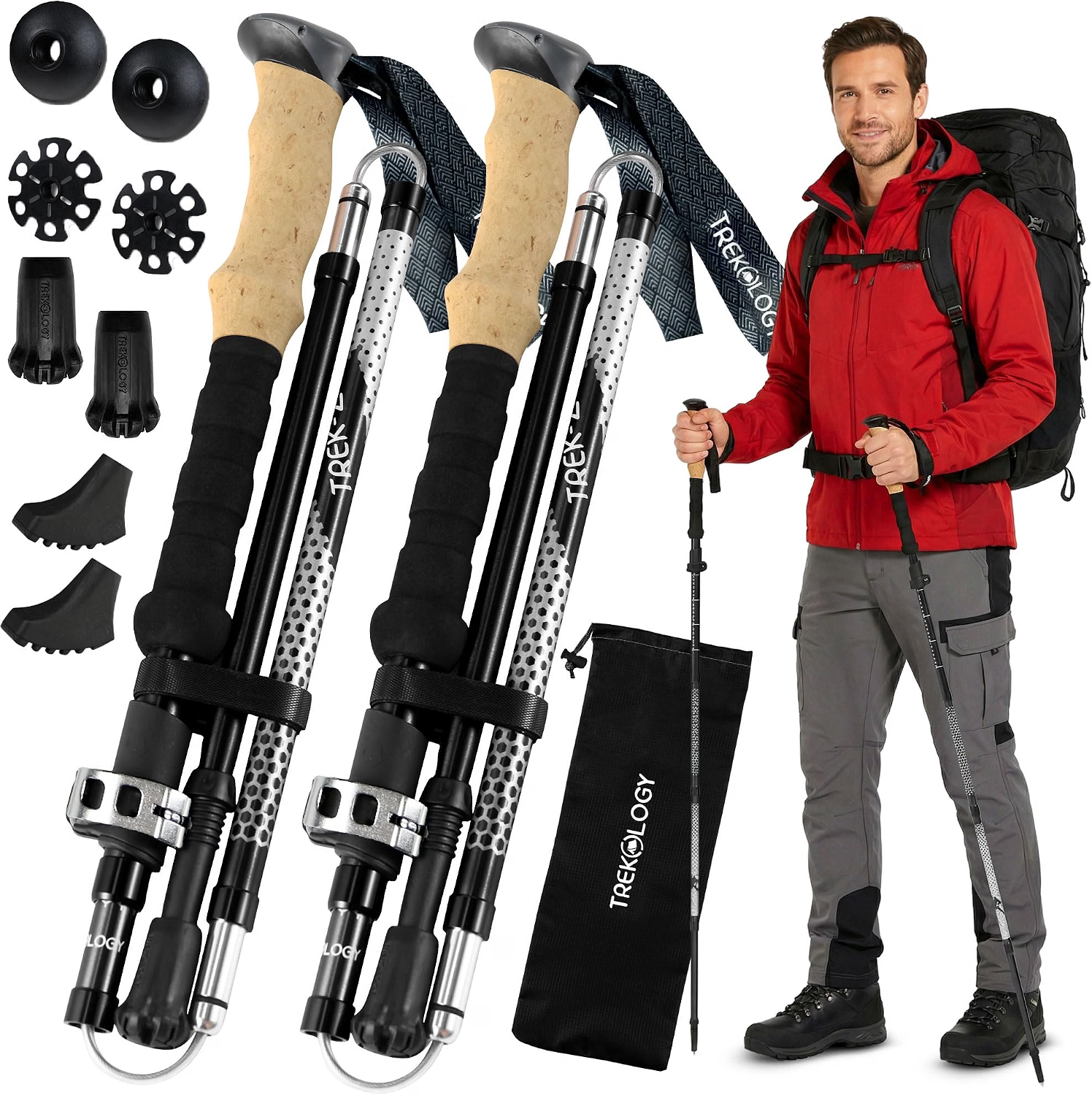


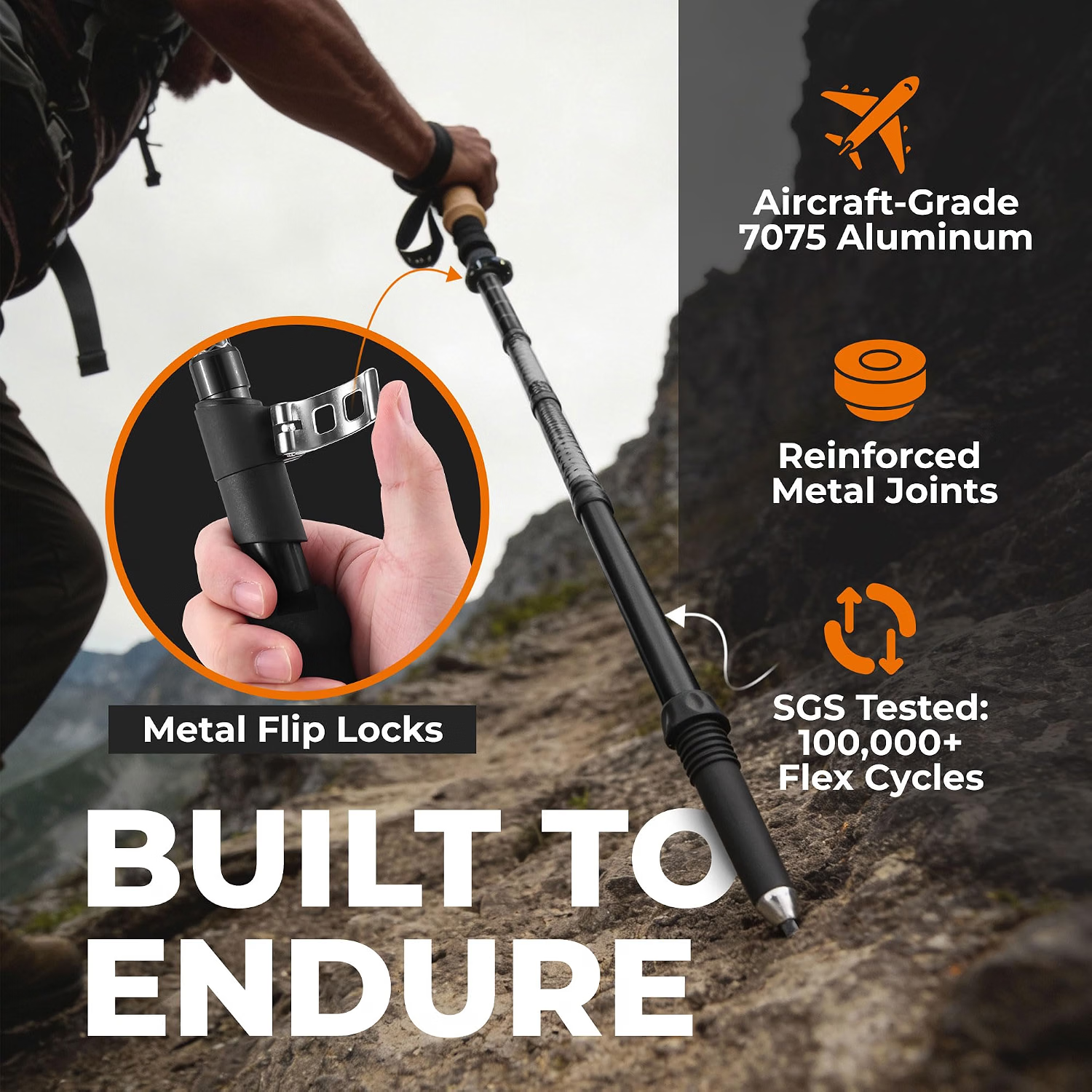

Trekology TREK-Z
An affordable collapsible tri-fold trekking pole option for occasional and regular hillwalkers. Check the selected size, length range, pack dimensions and whether the listing includes a pair before ordering.
Budget-friendly folding poles; check the current Amazon listing for price, size and pair quantity.
What matters for walking in the Lakes?
Aluminium or carbon?
Aluminium is a practical, robust choice for mixed hillwalking. Carbon poles can reduce carried weight, but are often dearer and may be less forgiving of sideways impacts. Prioritise correct fit and dependable locks ahead of the lightest quoted weight.
Lever locks or twist locks?
External lever systems are usually easier to inspect and adjust with cold or wet hands. Whichever system you buy, test it before leaving home and check that the sections stay secure under normal pressure.
Foam or cork grips?
Foam can feel comfortable in cold and wet conditions; cork can appeal on warmer, longer walks. A grip extension is useful when you want to shorten your hand position during a brief climb without changing pole length.
Rubber tips and baskets
Carbide tips can be useful on earth and some rocky surfaces but may slip on smooth rock and damage delicate surfaces. Use protective rubber tips where appropriate; they help stop a pole sinking deeply into soft ground. Keep pole tips clear of people and wildlife.
How to size and use walking poles
- Start on level ground: with the tip touching the ground near your foot and hand on the grip, aim for an approximately right-angled elbow as a starting point.
- On climbs: some walkers shorten telescopic poles slightly, subject to comfort and terrain.
- On descents: poles can be lengthened modestly to reach lower ground without overstretching. Keep your weight centred and don’t plant beyond a secure foothold.
- On rocky scrambles: stow poles securely when you need hands for balance or holds. A pole can jam between rocks; never rely on it as a load-bearing rescue aid.
- Before each walk: inspect locks, sections, tips and straps. Dry wet poles before storage.
Lake District walks where poles may help
On Catbells, the stepped and sometimes loose descents make adjustable poles worth considering, though hands may be needed on steeper rocky sections. For longer mountain walks, explore our 50 Highest Fells guide and individual route information. A gentler outing around Tarn Hows is a sensible place to become familiar with pole technique before tackling steeper terrain.
Before setting off, see our essential hiking equipment checklist, map and compass advice and walking emergency kit guide. For more equipment comparisons, browse Outdoor Gear & Buying Guides.
Walking poles: frequently asked questions
Is one walking pole enough?
One can provide an extra point of contact, but a pair often gives a more even rhythm and distributes work across both arms. The right approach depends on your mobility, terrain and preferences.
Do walking poles help knee pain?
Some walkers find poles make descents more comfortable by sharing effort through the upper body. They are not a treatment for knee problems and cannot guarantee injury prevention; seek clinical advice for persistent pain.
Should I use poles on Striding Edge?
On exposed scrambling ground, your hands may be needed for safe movement. Pack poles away securely where they could interfere with balance or snag. Choose a route appropriate to your experience and prevailing conditions.
Are expensive carbon poles necessary?
No. For many Lake District day hikes, a well-fitting pair of adjustable aluminium poles is a practical choice. Premium poles mainly appeal to people who value low weight, grip refinement and very compact packed dimensions.
Product sources: Black Diamond Trail Back, LEKI Khumbu Lite, Black Diamond Distance Z and Trekology TREK-Z. Buying advice informed by published outdoor gear comparisons.

“One more fell from a great mood…” Chris writes for numerous online publications, having studied at The University College of North Wales, Bangor. He is regularly in The Lake District and enjoys wild camping, hiking and watersports. His favourite location? Muncaster Castle…