
Best Walking Socks for the Lake District
The right socks help your walking boots fit comfortably, manage moisture and protect against rubbing. Compare four established hiking sock ranges and learn what really matters for Lakeland trails.

Which walking socks do you need?
Everyday boots and mixed-weather walks: midweight merino-blend hiking socks with supportive fit and modest cushioning are a good starting point. Warm days or close-fitting shoes: consider lighter cushioning if extra bulk makes your footwear tight. Cold-weather walks: warmer socks can be useful, but only if you retain enough room in your boots for comfort and circulation. Frequent rubbing: double-layer designs may help some walkers, though fit still matters more than marketing claims.
Most important: try socks with your actual boots. Thick socks are not automatically more comfortable: extra bulk can make your boots too tight, while loose socks can bunch and rub.
Walking socks worth considering
These options suit different preferences and boot fits. They are not ranked, and manufacturer specifications may vary by size or version.



Bridgedale Hike Midweight Merino Endurance Boot
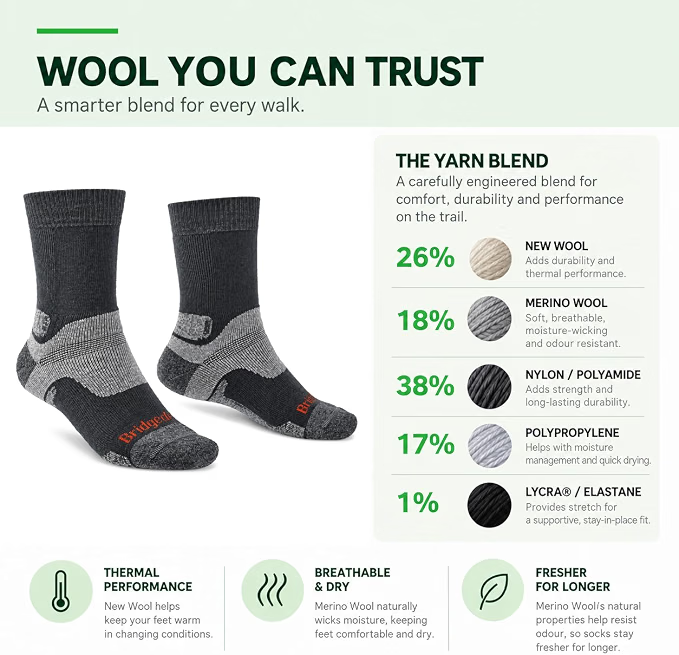
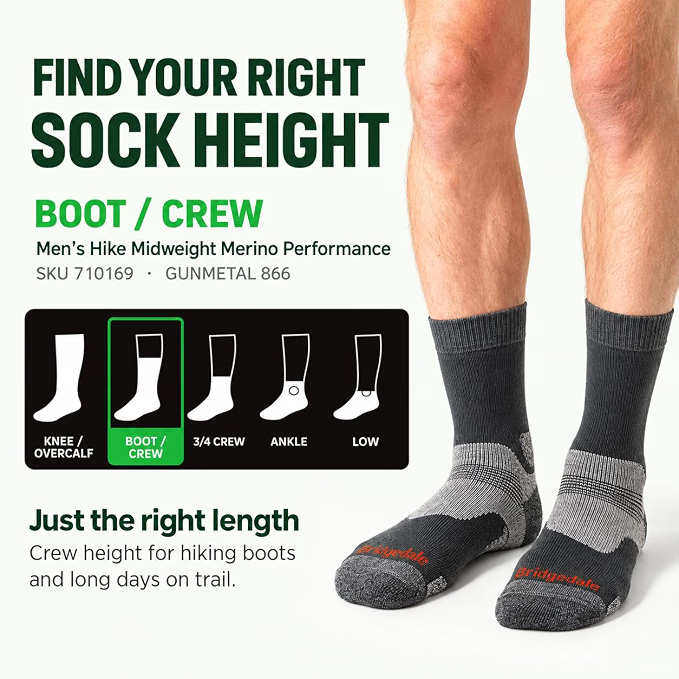
A midweight, boot-length sock with zoned cushioning, a supportive performance fit and a shaped heel. Bridgedale combines 18% merino wool with other wool and technical fibres for durable, comfortable day walks and longer hikes.
Boot length · midweight · 18% merino wool

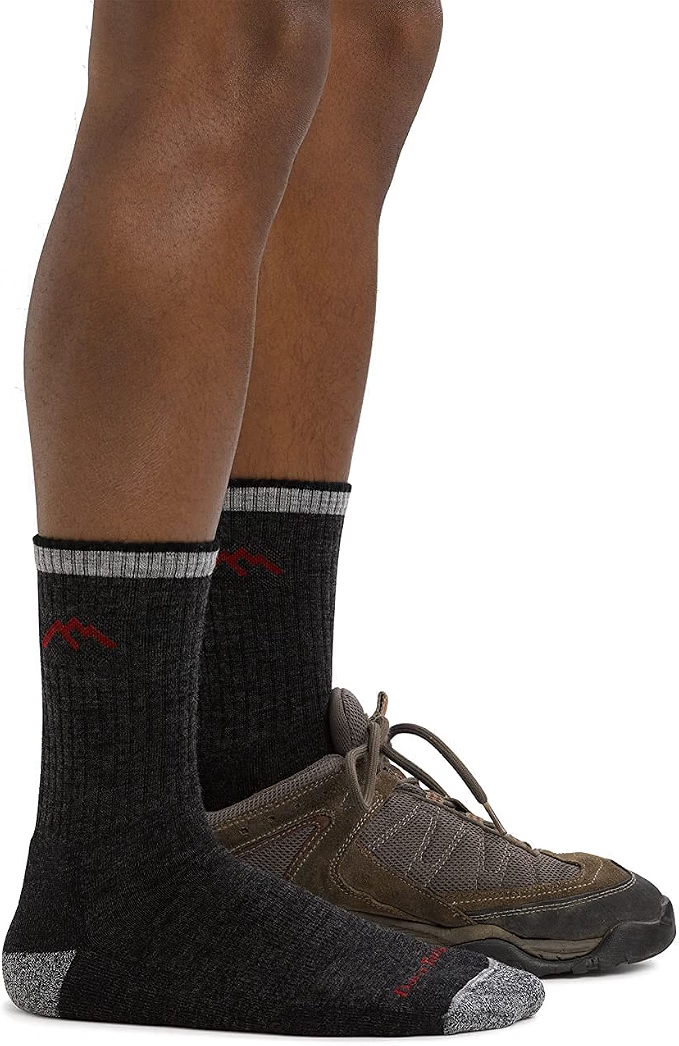
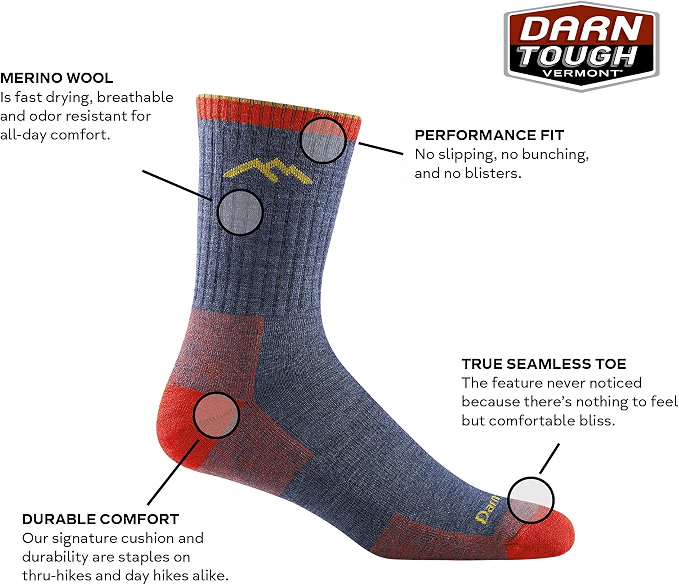


Darn Tough Hiker Micro Crew Cushion
A performance-fit merino hiking sock with underfoot cushioning and protection around the ankle and Achilles. The shorter micro-crew length typically reaches just above standard hiking boots; confirm the shaft height against your footwear.
Micro-crew · midweight · lifetime guarantee subject to terms
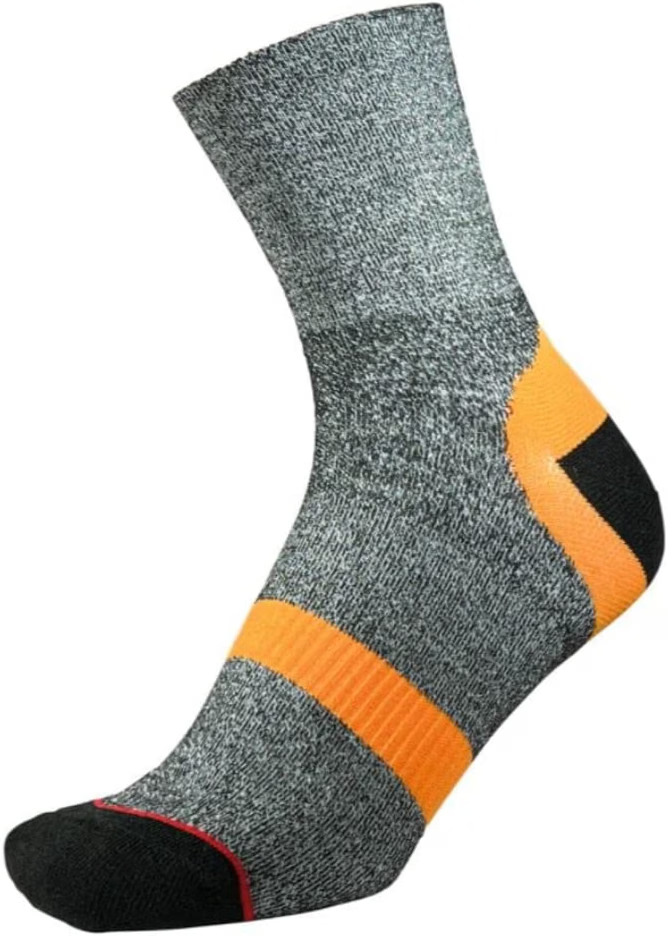


1000 Mile Approach Repreve Double Layer Socks
Crew-length double-layer socks with a moisture-wicking inner, a durable outer layer, arch bracing and a secure heel grip. Designed for lightweight walking boots, approach shoes and warmer-weather hikes. The manufacturer states that 71% of the materials are recycled REPREVE fibres. Double layers may reduce friction, but no socks can guarantee blister prevention.
Crew length · double-layer construction · 71% recycled materials
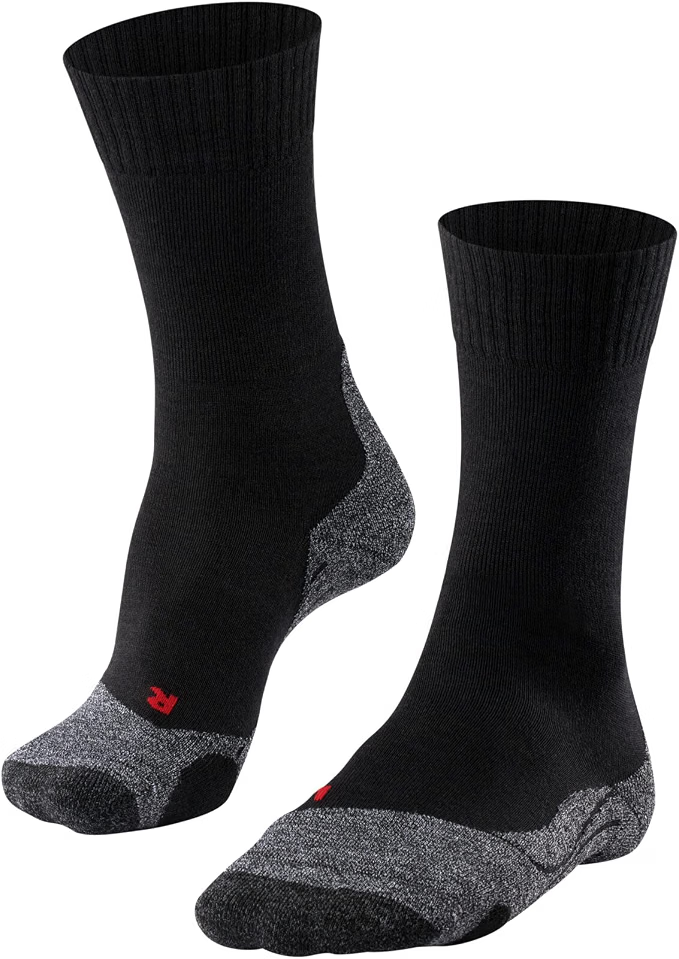

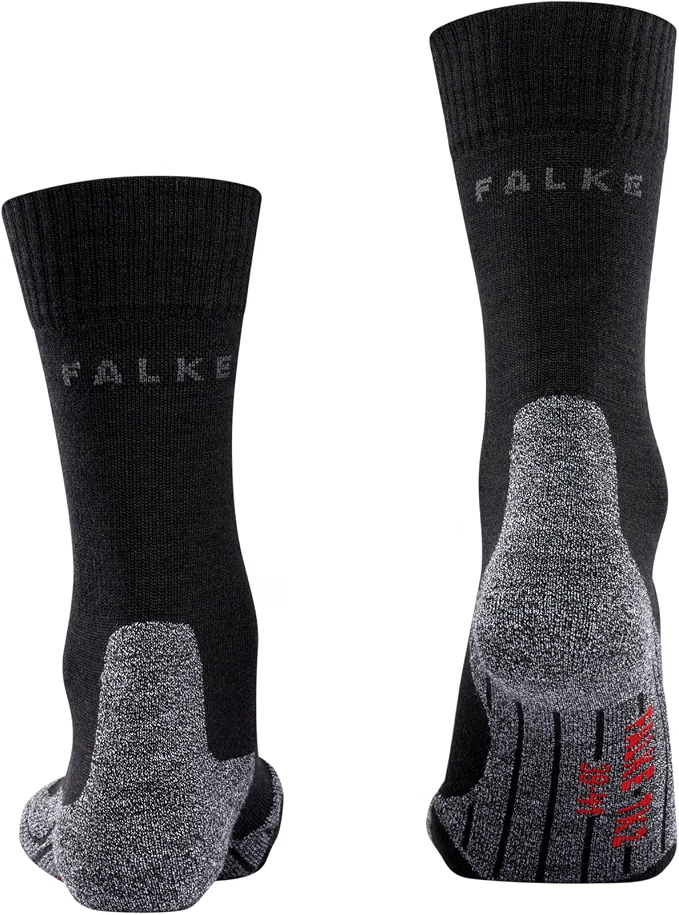
FALKE TK2 Explore Trekking Socks
A medium-cushioned sock with a left/right-shaped fit and wool-blend construction. Particularly worth considering for walkers who want a snug, anatomically shaped alternative to more traditional boot socks.
Calf length · medium cushioning · left/right fit
How to choose socks for Lake District walking
Merino wool or synthetic fibres?
Merino blends are popular because they offer temperature regulation and can be comfortable across changing conditions. Synthetics such as polyester and nylon help improve durability, shape retention and moisture management. The balance of fibres and fabric construction matters more than a high wool percentage alone.
Cushioning: light, medium or heavy?
Lightly cushioned socks suit closer-fitting footwear and warmer conditions. Midweight socks balance cushioning and versatility. Heavy cushioning can feel comfortable in spacious boots but may create pressure in footwear that fits closely. Choose according to boot volume, walking distance and personal comfort.
Boot length or crew length?
A sock should extend high enough above the boot collar to prevent direct rubbing. Shorter socks may suit trail shoes, but standard walking boots usually pair better with crew or boot-length styles.
Fit, seams and heel shape
Look for a snug heel, smooth toe seams and fabric that sits flat without creases. If a sock slides down or bunches around the toes, try a different size or construction rather than simply adding extra layers.
What about double-layer socks?
Two-layer designs aim to transfer some friction between layers rather than against the foot. Some people find them helpful, but they can also increase bulk and warmth. They cannot guarantee blister prevention.
Five habits for more comfortable walks
- Break in your footwear: test new boot-and-sock combinations on shorter walks before a full day on the fells.
- Keep your feet as dry as practical: change damp socks when possible and dry footwear properly after a wet outing.
- Deal with hotspots early: stop and adjust your footwear if you feel rubbing rather than waiting for a blister to develop.
- Avoid cotton-heavy everyday socks: they can remain damp and uncomfortable during prolonged wet or sweaty walking.
- Carry a spare pair: particularly useful for longer routes, winter walks and multi-day trips.
What should you wear with walking socks?
Start with well-fitting walking boots or shoes appropriate to your route. For wet days, carry waterproof overtrousers and the clothing described in our waterproof jacket guide. On steeper paths, trekking poles may help some walkers manage uneven ground and descents.
Before heading out, check our essential Lake District hiking kit checklist and the Outdoor Gear & Buying Guides hub. Walking the Lake District’s highest fells demands suitable kit, realistic route planning and attention to weather conditions.
Frequently asked questions
Are merino walking socks worth buying?
They can be, particularly if you appreciate a soft, temperature-regulating blend. A well-fitting synthetic hiking sock can be just as suitable for many walks; focus on comfort, drying performance and boot fit.
Should walking socks be thick or thin?
Neither is inherently best. The ideal thickness depends on how much space your boots have and how much cushioning you find comfortable.
Will expensive socks prevent blisters?
No sock can guarantee that. Correct shoe fit, managing moisture, reducing rubbing and stopping early when a hotspot develops all matter.
How many pairs should I pack?
Wear one pair and consider carrying a dry spare on long, wet or multi-day walks. Change socks when they become uncomfortable or soaked.
Sources: Bridgedale, Darn Tough UK, 1000 Mile and FALKE. Product claims are attributed to manufacturers.

“One more fell from a great mood…” Chris writes for numerous online publications, having studied at The University College of North Wales, Bangor. He is regularly in The Lake District and enjoys wild camping, hiking and watersports. His favourite location? Muncaster Castle…