Top Choices for Comfort and Durability
Walking in the Lake District offers some of the most beautiful landscapes in the UK, from challenging mountain hikes to peaceful lakeside strolls. To get the most out of these routes, we need walking boots that can handle rocky trails, muddy paths, and sudden changes in weather. A good pair of walking boots helps protect our feet from injury and keeps us comfortable over long distances.
The weather in the Lake District can change quickly, so we want boots that are waterproof and have good grip on wet or slippery ground. Comfort is just as important as protection. Walking boots should fit well, provide solid support for our ankles, and feel comfortable over many hours of use. Breathable materials can also help our feet stay dry inside the boots.
It’s important to pay close attention to the type of sole, the level of ankle support, and how waterproof the boot is before making a choice. These features make a big difference in how safe and enjoyable our walks will be. We spent a lot of time researching and testing walking boots to find out which ones hold up best to the demands of the Lake District.
Best Walking Boots for the Lake District
We know how important reliable boots are when tackling the Lake District’s varied trails. Here is our selection of the best walking boots to keep us comfortable and supported on every walk.
Berghaus Expeditor Trek 2.0 Walking Boots

If you’re looking for reliable comfort and all-weather protection for the Lake District’s unpredictable conditions, these walking boots are worth considering.
Pros
- Offers strong grip and confidence on wet or rocky trails
- Keeps feet dry all day thanks to waterproof lining
- Comfortable for long walks straight out of the box
Cons
- A tad heavier than some lightweight boots
- Sizing can run slightly narrow for wider feet
- Not the most breathable choice during hot summer hikes
After putting these boots through their paces across muddy paths and rocky inclines, we’ve found their grip to be reassuring, even when the ground gets slippery. The AQ® waterproof lining works well; our feet stayed dry through sudden rain showers and puddles, which makes a real difference in the Lake District.
Comfort didn’t seem like an afterthought. There was no need for a break-in period, and we appreciated the cushioned support on longer walks. They feel sturdy on uneven ground, and the suede upper moves with our feet rather than against them.
On the downside, the boots do feel slightly heavy compared to some other options we’ve tried. Those of us with wider feet noticed a snug fit around the sides, especially if wearing thick hiking socks. In warmer months, breathability could be better, so these boots might not be our first pick for summer heat, but they truly shine during spring, autumn, and wetter days.
Karrimor Bodmin Weathertite Boots

These boots are a good choice for walkers needing waterproof, affordable footwear that can handle the Lake District’s changeable weather.
Pros
- Solid waterproofing keeps feet mostly dry
- Good value for those on a budget
- Reliable grip on mixed and wet ground
Cons
- Soles wear out faster with heavy use
- Basic insoles may need upgrading for comfort
- Fit is roomy and may not suit narrow feet
We tried the Karrimor Bodmin Weathertite boots on several paths around Windermere and Keswick. The grip felt dependable on muddy trails and rocky steps, and we found them steady going up hills. After a sudden shower, our feet stayed dry, but we did treat the boots with extra spray for peace of mind.
These boots are affordable, making them a sensible choice for walkers who don’t want to pay premium prices. The wide fit left plenty of toe room, and there was no pinching, though those needing a snugger fit might want to try them on first.
After wearing them a few weeks, we noticed some wear on the soles, especially on stony paths. Adding cushioned insoles made longer walks more comfortable. For wet and mixed Lake District trails, the Bodmin boots give us the essentials without breaking the bank.
Berghaus Hillwalker II GTX Boots
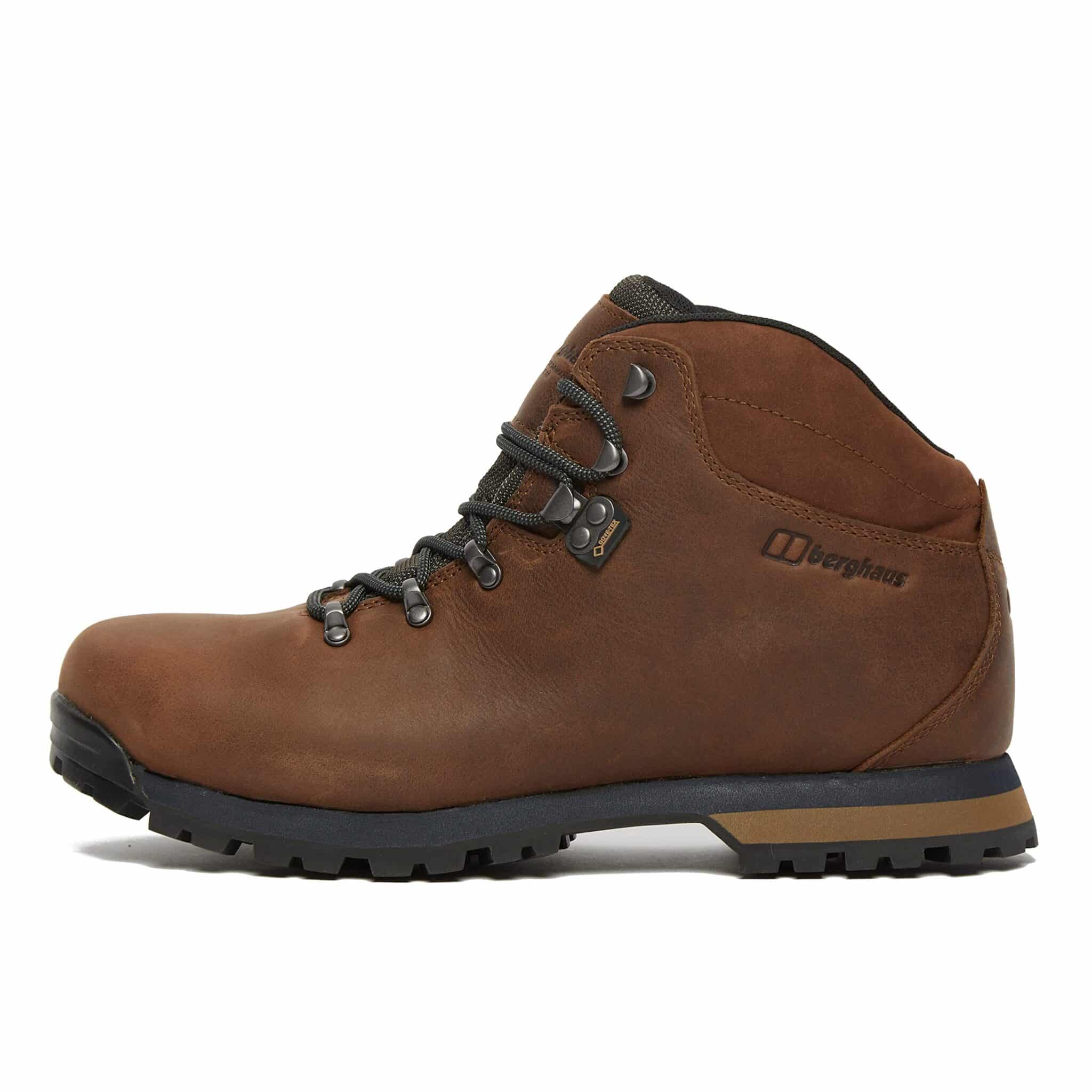
These boots are a solid choice for anyone wanting reliable comfort and weather protection on Lake District walks.
Pros
- Stays dry with trusted waterproofing
- Feels comfortable all day, even on long treks
- Secure grip on rocky, muddy, and uneven paths
Cons
- Needs extra care such as re-waxing to keep waterproofing at its best
- Can feel a bit snug if you wear thick walking socks
- Slight break-in time before the full comfort kicks in
When we wore the Berghaus Hillwalker II GTX out on mixed trails, the first thing we noticed was how dry our feet stayed, even after several hours in rain and through wet grass. The GORE-TEX lining really does its job, and breathability is there, so sweat never built up inside.
Memory foam around the heel and tongue makes the boots noticeably more comfortable than average. This design helps avoid pressure points, and the Ortholite footbeds add nice bounce on stony tracks. Grip felt dependable—slippery rock and claggy mud weren’t a problem, thanks to the OPTI-STUD soles.
One thing to remember is that the oiled suede, while smart, needs regular maintenance to keep water out long-term. Sizing is true, but those with chunkier socks may want to size up. Overall, for the mixed, often wet, and rocky ground in the Lakes, these Hillwalker II GTX boots are up to the job if you take a bit of care with them.
Riemot Women’s Lightweight Waterproof Walking Shoes

These shoes provide a solid mix of comfort, waterproofing, and grip for walking in the Lake District, though sizing and foot shape should be considered.
Pros
- Keeps feet dry on wet trails
- Light and easy to wear all day
- Extra laces and insoles included
Cons
- Fit can run a bit large
- Not as padded around the ankles as some may like
- Less support for challenging, longer hikes
As soon as we tried the riemot Women’s Lightweight Walking Shoes, we noticed how breathable they felt, even after a long walk in damp weather. Feet stayed dry the whole day, which is a huge plus for the rainy Lake District. Having spare laces and insoles in the box was a nice surprise.
Their light build means we didn’t feel weighed down, but there isn’t as much ankle support as some sturdier boots. On hard climbs or when carrying a heavier pack, a bit more padding around the ankle would have helped. That said, the grip on wet stone paths and muddy hills impressed us and made us feel steady underfoot.
For anyone planning shorter walks or easier trails, these are a good choice, especially if weight and breathability are a priority. If we were setting off for rougher, full-day hikes, we might reach for a tougher boot. For general day walks in the Lake District, though, these perform well and are a comfortable option.
Johnscliffe Canyon Leather Hiking Boots
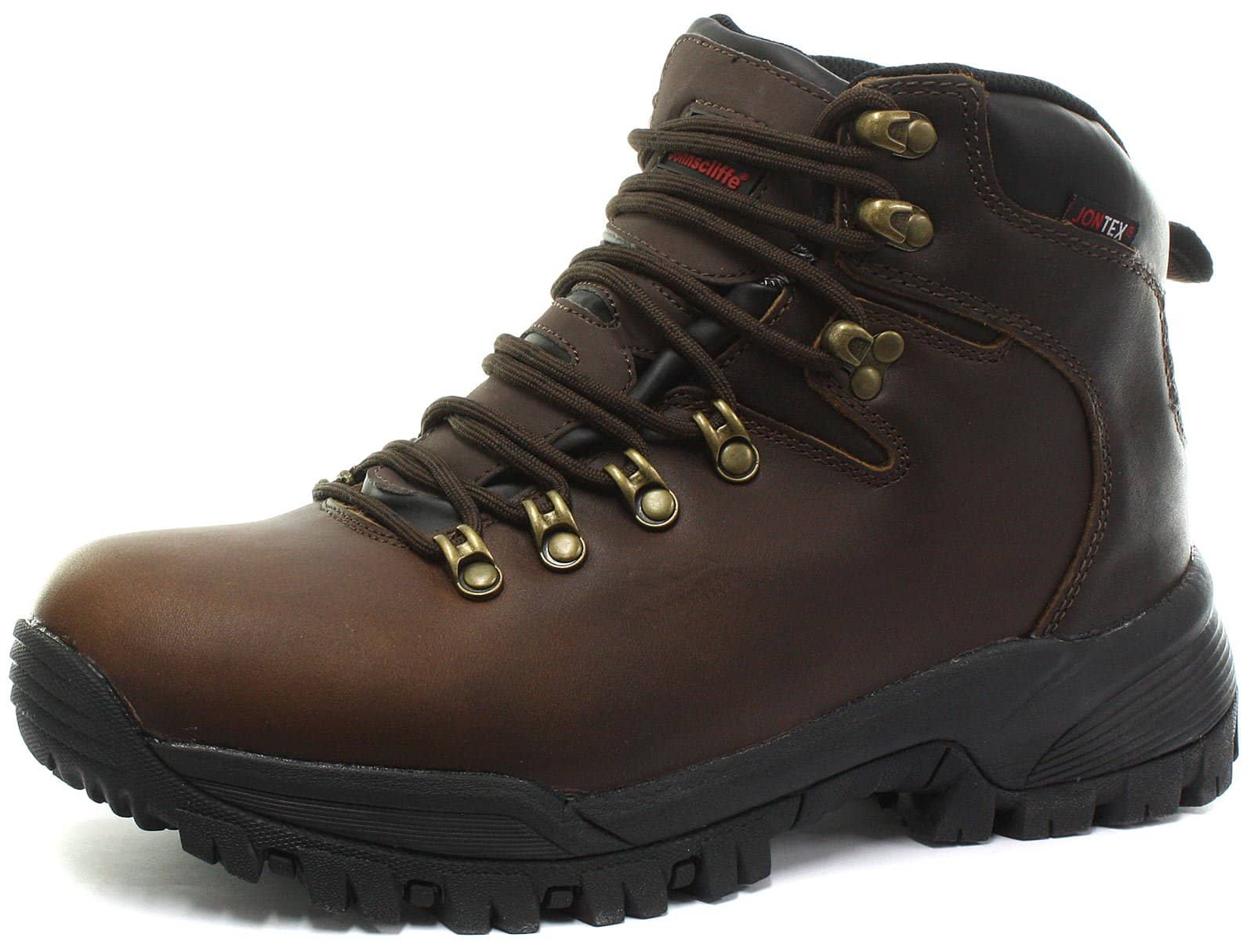
A dependable choice for those wanting a lightweight, waterproof boot that handles Lake District walks without fuss.
Pros
- Light on the feet, easy to wear all day
- Stands up well to wet and muddy trails
- Feels comfortable from the first outing
Cons
- Sole may wear down sooner than we’d like
- Not the best grip on very slippery rocks
- Breaking in may take a few days for some
The Johnscliffe Canyon Leather boots feel solid on our feet, yet they’re impressively light, which makes long walks much less tiring. Our feet stayed dry trudging through damp fells and shallow puddles, so we trust the Jontex waterproofing even in unpredictable Lake District weather. Once laced up, the boots offered good ankle support, and the soft lining meant we didn’t spot any hot spots or blisters.
While most days went smoothly, we did notice the tread could use more bite on slick stone. The outsoles are cushioned and bounce back after a day’s hike, but the rubber does show wear along the edges after regular use. If we’re out on sharp rocky paths, we just keep an eye on the soles for signs of early wear.
These boots keep their shape and don’t feel heavy by the end of a walk. It’s a good value option if we want reliable comfort without splashing out. For anyone needing a sturdy pair of boots that can take on the Lake District and handle wet days, we find these tick most boxes.
Buying Guide
When we look for walking boots for the Lake District, we focus on comfort, grip, and weather protection. The right pair helps us enjoy long walks on rocky or muddy trails.
Key things to consider:
- Fit: Our boots should feel snug but not tight. We want enough space for our toes so we can walk for hours without discomfort.
- Waterproofing: The weather can change fast in the Lakes. Waterproof boots help us keep our feet dry on wet paths.
- Grip: A strong sole with deep lugs helps stop us from slipping on steep or muddy ground.
| Feature | Why It Matters |
|---|---|
| Fit | Reduces blisters and foot fatigue |
| Waterproofing | Keeps feet dry and comfortable |
| Grip/Tread | Prevents slips on tricky terrain |
| Breathability | Helps stop sweaty or damp feet |
| Ankle Support | Reduces the risk of twists or sprains |
| Weight | Lighter boots mean less tired legs |
It’s important that we think about how and where we walk. For rocky summits, strong ankle support is useful. For flat paths, lighter boots might be enough.
We should always try boots with our hiking socks before buying. Walking around the shop can give us a good feel for the fit. If possible, we look for boots with a return policy, so we can test them at home.
Little extras like quick lacing systems or cushioned insoles can make a difference. Paying attention to these details helps us enjoy our walks in the Lake District.

A former British Military Officer, Eddie went on to study History and then Journalism at Sheffield Hallam University. A keen outdoorsman, he has co-written several books on Outdoor Survival and Wild Camping. Now living in Penrith, Ed is a keen fellrunner.