
What fish live in Bassenthwaite Lake? This quiet lake near Keswick is famous for the vendace, one of Britain’s rarest freshwater fish. It also supports familiar species such as pike, perch and roach, with salmon and trout associated with its connected river system. Here’s how to recognise the main fish, why vendace conservation matters and what anglers need to know before visiting.
Fish species in Bassenthwaite Lake
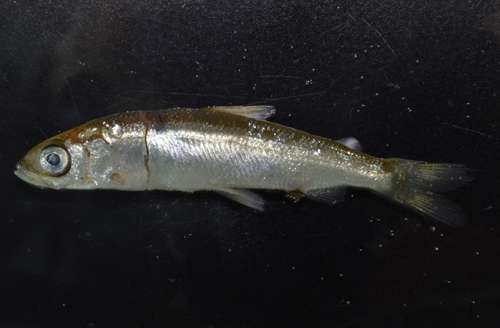
Vendace (Coregonus albula)
Vendace are small, silvery relatives of salmon and trout that feed mainly on tiny planktonic animals. They need suitable spawning grounds and cool, well-oxygenated water. Bassenthwaite and nearby Derwentwater are the species’ only natural English lake locations.
Bassenthwaite’s vendace population declined so sharply that surveys failed to find any between 2001 and 2012. A small number have been recorded since 2013, but the population remains very small. That makes the lake a vital conservation site — not a destination for anglers seeking vendace.
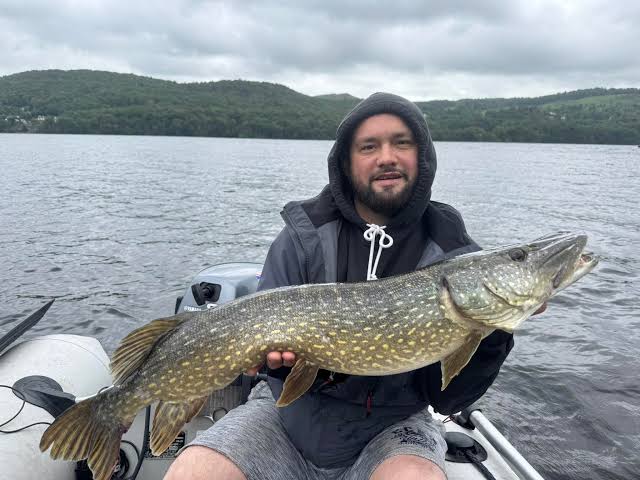
Northern pike (Esox lucius)
Pike are a prominent predator in Bassenthwaite, feeding on smaller fish. They are a well-known angling target, especially around suitable bays and lake margins. Safe handling and the lake’s specific rules are essential.
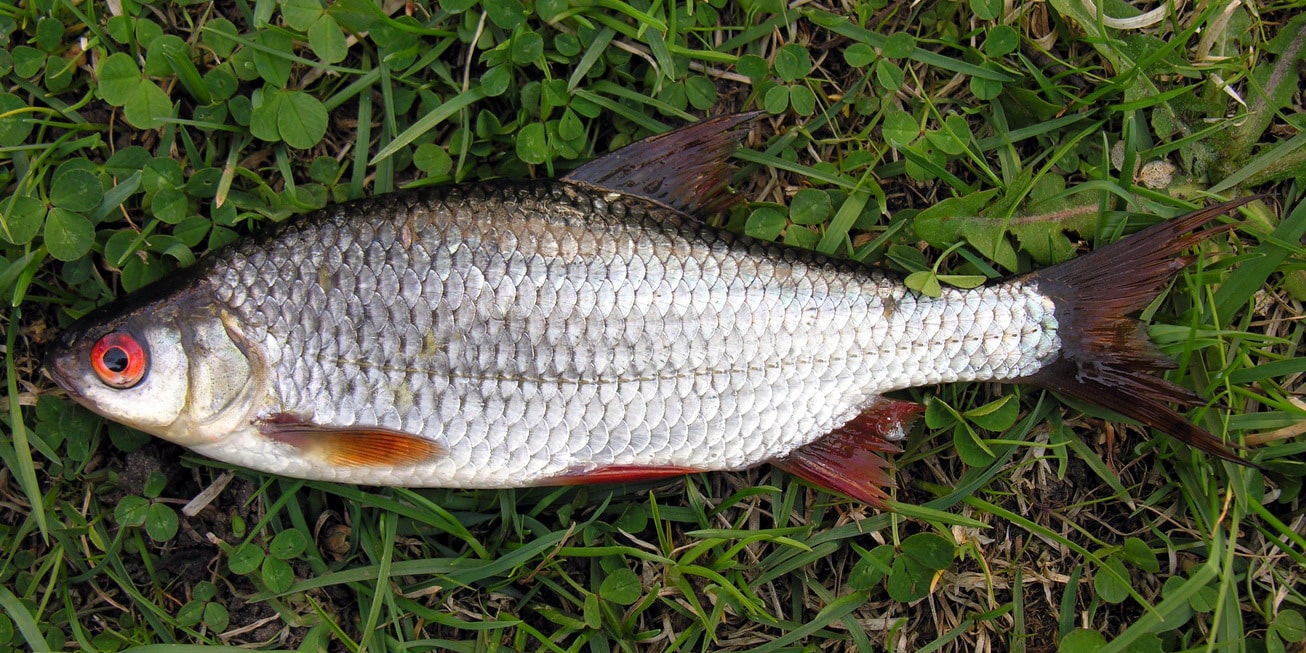
Roach (Rutilus rutilus)
Roach are among the lake’s better-known coarse fish and are mentioned in National Park visitor information, particularly around Beck Wythop. They often move in shoals and feed on small invertebrates and plant material.
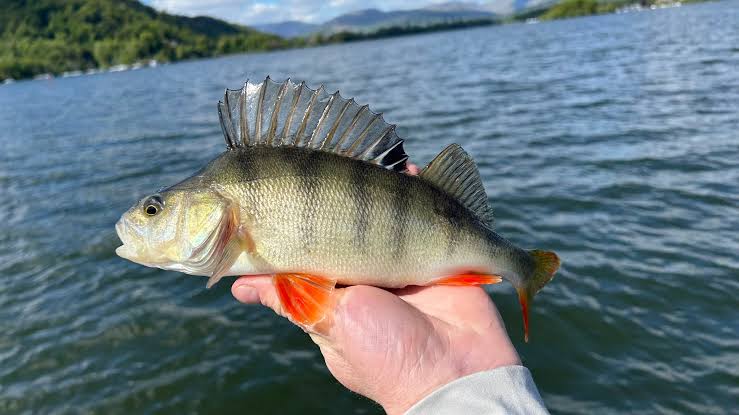
European perch (Perca fluviatilis)
Perch are striped predators with spiny dorsal fins. They occur in the Derwent lake system and are among the familiar coarse fish associated with Bassenthwaite.
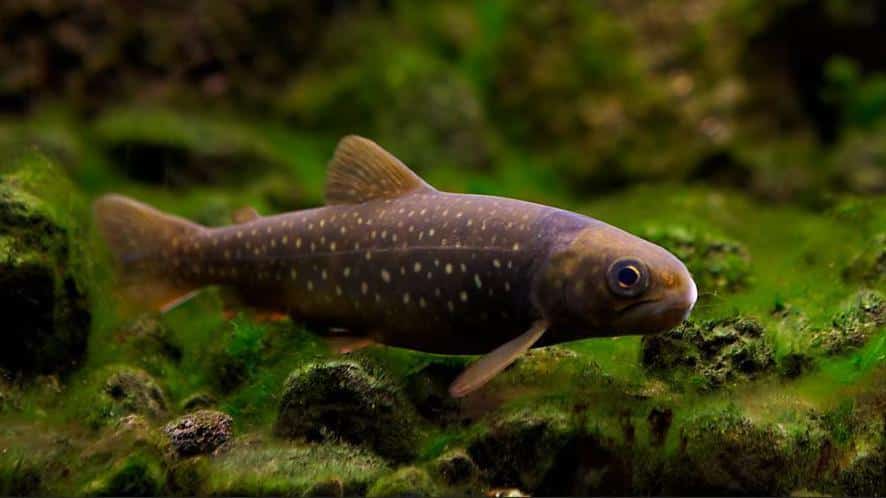
Brown trout (Salmo trutta)
Brown trout are part of the wider River Derwent catchment, using connected streams and freshwater habitats. Their abundance and distribution vary, so anglers should check the rules applying to trout and any connected river stretches.
Atlantic salmon (Salmo salar)
Atlantic salmon migrate through the River Derwent system, which connects Derwentwater and Bassenthwaite to the sea. Salmon are especially associated with the Ouse Bridge river section. The National Park requires all salmon caught to be returned.
Other fish and the changing ecosystem
The wider catchment supports additional freshwater fish, including European eel and small species in connected waters. Introduced or expanding fish populations, sediment and water quality changes can affect the delicate food web on which vendace depend.
Why are Bassenthwaite’s vendace so important?
Vendace are exceptionally rare in Britain. Historic populations in other UK lakes disappeared, leaving the natural English populations concentrated in Bassenthwaite and Derwentwater. Bassenthwaite’s population was once feared lost, but later surveys recorded a few fish again.
Conservation work has focused on reducing sediment and nutrient inputs, improving habitat conditions and safeguarding populations. Vendace have also been introduced to suitable Scottish waters as a conservation measure.
Can you fish in Bassenthwaite Lake?
Yes, with permits. Unlike Windermere and Ullswater, Bassenthwaite requires a Bassenthwaite Lake fishing permit for fishing from the bank or a boat. You also need an appropriate Environment Agency rod licence. Boat fishing requires a separate boat permit too.
The National Park Authority currently lists fishing permits at £7 for one day, £20 for seven days, £40 for three months and £50 for twelve months. Under-16s can fish without a lake permit, and Blue Badge holders receive a discount. Check prices and eligibility before travelling.
- Buy your lake permit in advance; permits are not sold at the lakeshore.
- Do not use live or dead freshwater fish as bait, and do not transfer live fish between waters.
- Return all coarse fish carefully to the water; all salmon must also be returned.
- Night fishing is restricted to holders of a 12-month permit.
- Respect private shorelines, no-boating zones, seasonal restrictions and wildlife.
- Check, clean and dry your equipment to reduce the spread of invasive species.
Check current Bassenthwaite fishing permits and rules on the official National Park website.
Where can visitors see Bassenthwaite’s wildlife?
Because the lake is a protected nature reserve, enjoying its wildlife from the shore is often more rewarding than trying to spot fish directly. Nearby Dodd Wood is known for woodland walks and osprey viewpoints, while Mirehouse and Gardens offers another way to explore the landscape around the lake.
For a family day out featuring freshwater fish displays, our Lakes Aquarium guide covers the aquarium at Lakeside on Windermere. It is not on Bassenthwaite itself, so plan it as a separate outing.
Frequently asked questions
Are vendace still found in Bassenthwaite?
Yes, a small number have been recorded since 2013 after more than a decade of surveys without detections. The population is very small and its conservation remains important.
What is the rarest fish in Bassenthwaite Lake?
The vendace, a rare cold-water fish native to only two English lakes: Bassenthwaite and Derwentwater.
Are there pike in Bassenthwaite Lake?
Yes. Pike are one of the lake’s best-known predatory fish and a recognised angling species.
Is fishing free on Bassenthwaite?
No. A lake fishing permit is required, in addition to an Environment Agency rod licence where applicable. Check the National Park’s current rules and charges before visiting.
Can I fish from a boat?
Yes, subject to the relevant fishing and boating permits, launch arrangements and protected no-boating zones.
Explore the lakes and their wildlife
Discover our Bassenthwaite Lake visitor guide, compare the rare fish of Ullswater, or explore Windermere’s Arctic char and other fish. Our Derwentwater guide is also worth reading for the vendace story.
Sources: Lake District National Park Authority (Bassenthwaite permits and National Nature Reserve), Natural England (vendace evidence), Environment Agency fishing byelaws. Permit prices and regulations can change. Last reviewed November 2026.

“One more fell from a great mood…” Chris writes for numerous online publications, having studied at The University College of North Wales, Bangor. He is regularly in The Lake District and enjoys wild camping, hiking and watersports. His favourite location? Muncaster Castle…