


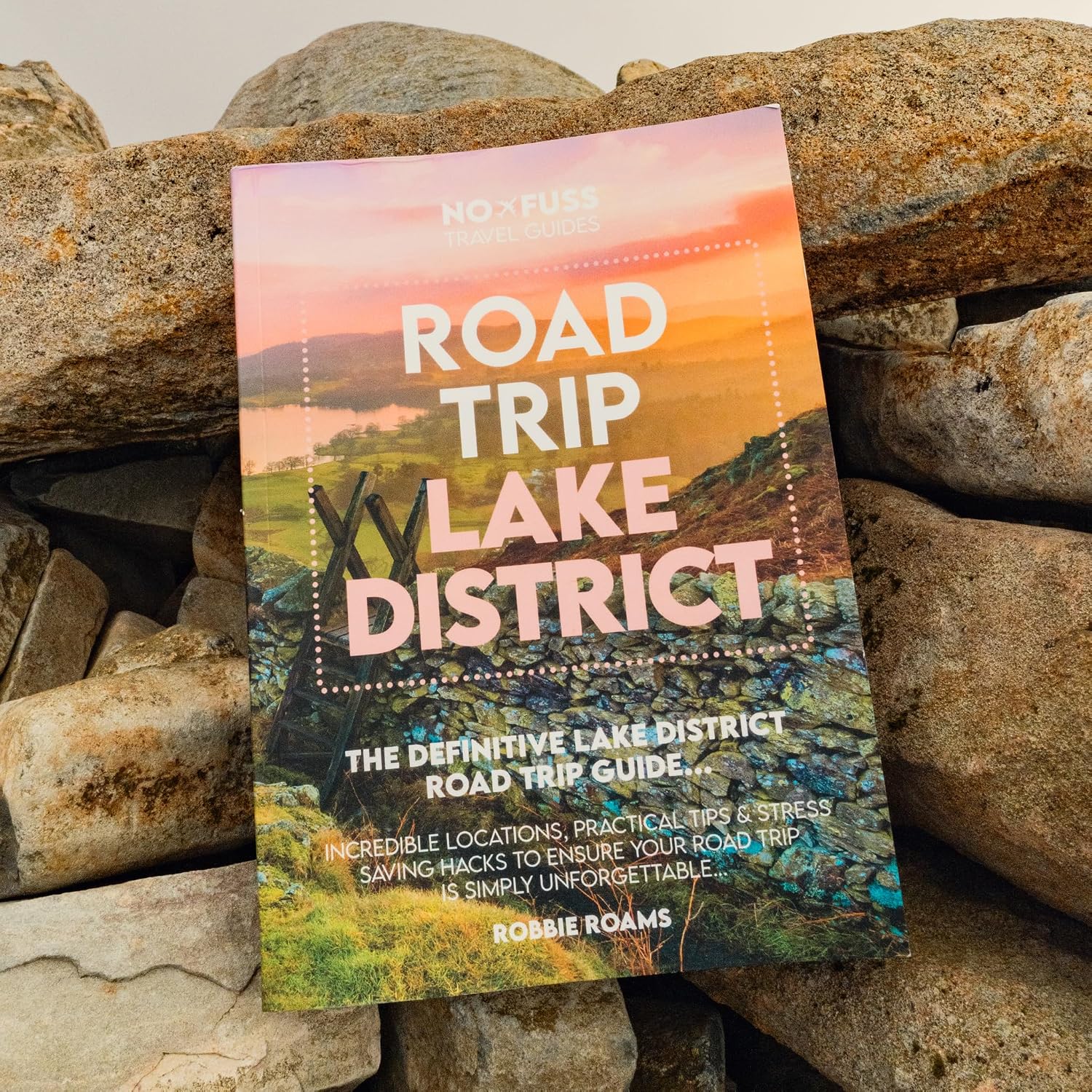

Best Camping Windbreaks for the Lake District
Compare practical windbreaks for tents, caravans and relaxed campsite evenings.
A windbreak can help create privacy and shelter from ordinary breezes around a tent or caravan pitch. The Lake District can be exposed and windy, so choose stable ground, secure the guylines and follow campsite rules. No portable windbreak is suitable protection from severe weather.
Family camping option: Vango Family Windbreak


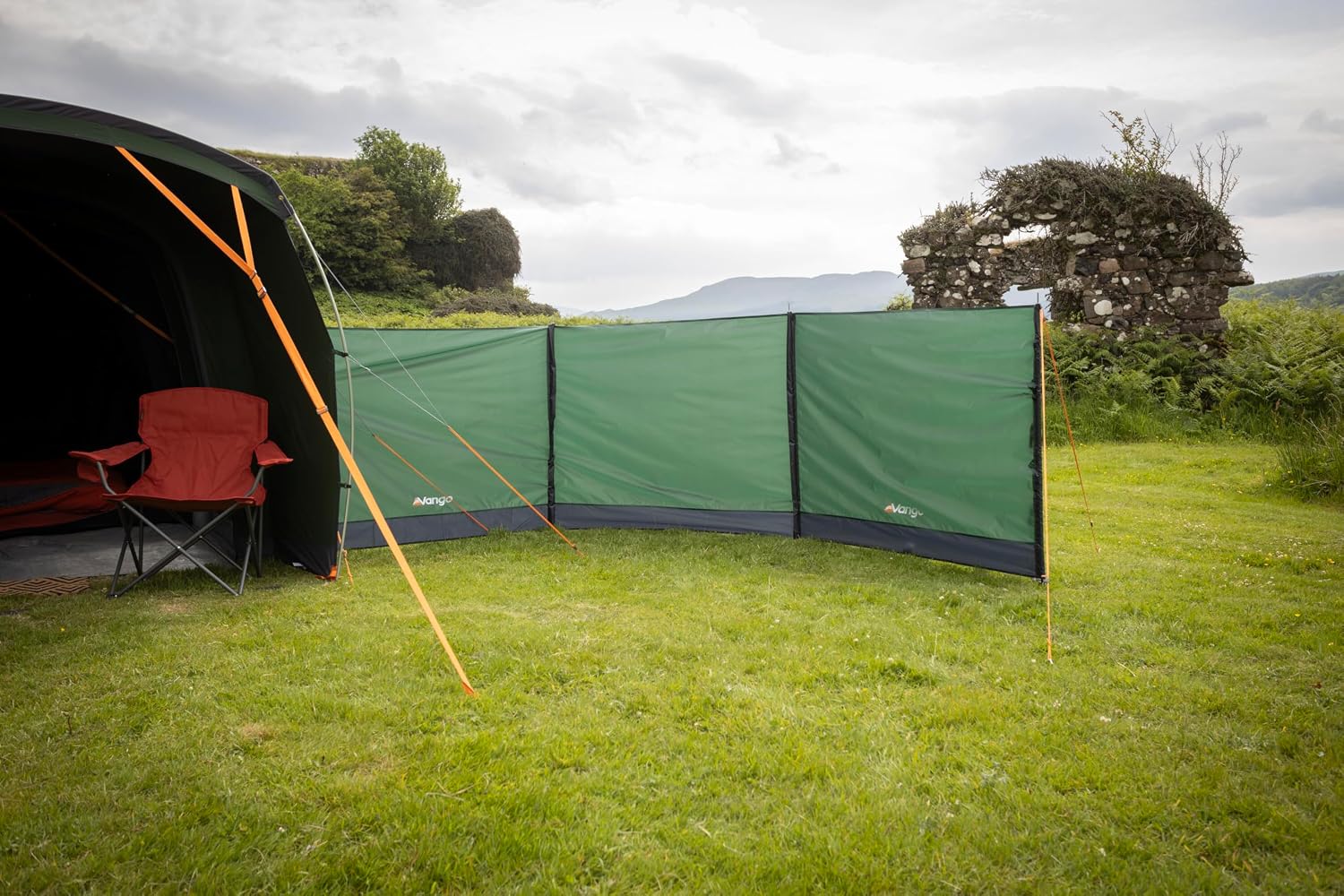
Family campsite shelter
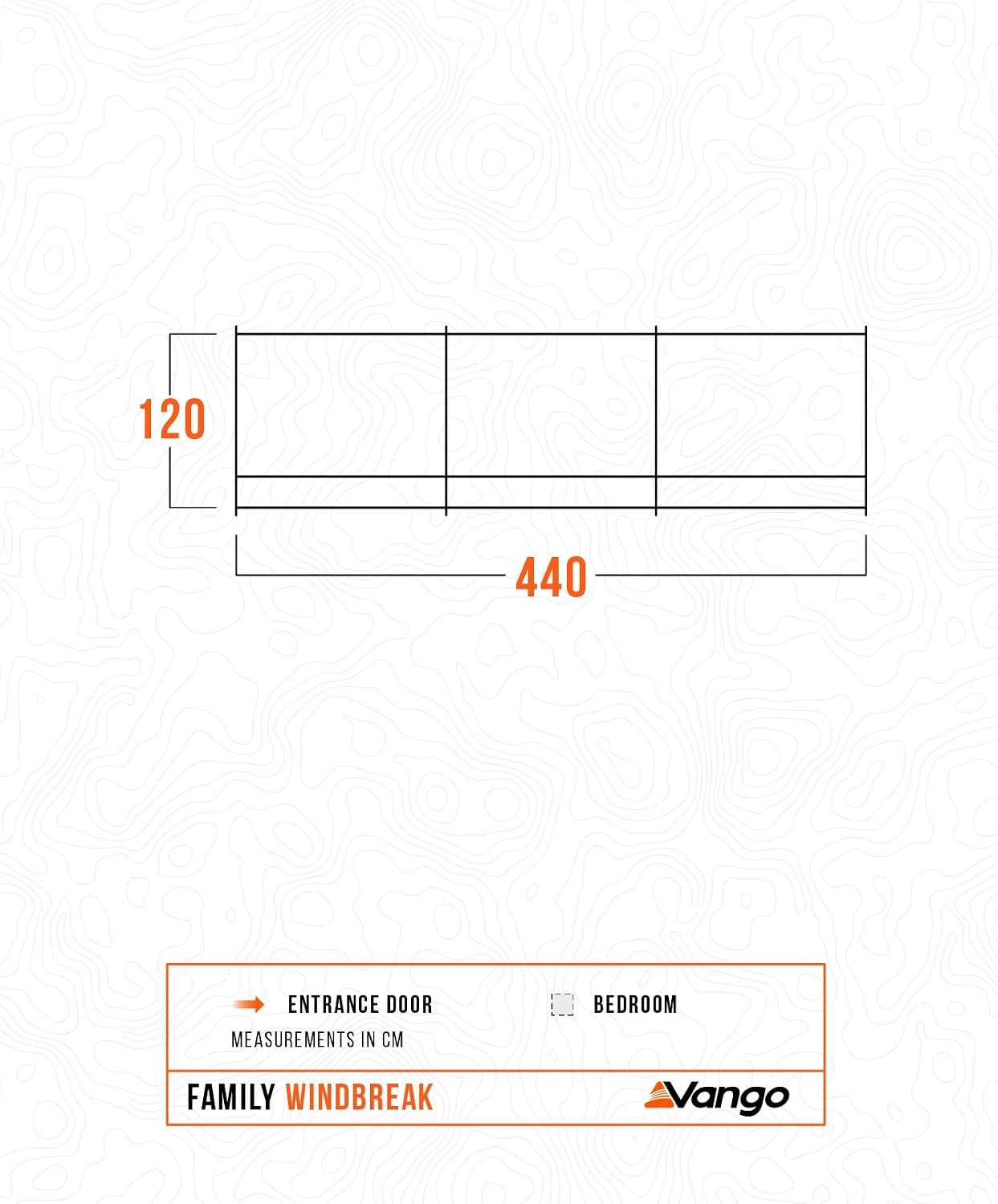
Vango Family Windbreak
A traditional, steel-poled windbreak for creating a more comfortable family campsite seating area. Its wide panels help with everyday breezes and provide extra privacy around your pitch.
- Length 440cm; height 120cm
- Manufacturer-listed weight 2.8kg
- Packed size 52 × 12 × 12cm
- PowerPlus steel poles and high-visibility guylines
- Sentinel Active Plus fabric (4,000mm HH fabric rating)
- Carry bag included
Check the exact model, colour, availability and current price on Amazon. Specifications may vary between editions.
Windowed campsite option: Kampa Standard Windbreak — Midnight Blue

Four-pole windbreak with viewing window
Kampa Standard Windbreak — Midnight Blue
A traditional four-pole windbreak with a clear horizontal window, allowing you to see across the campsite while improving privacy around your seating area. It’s a useful option for car camping and caravan pitches.
- Length 500cm; height 140cm
- Published weight approximately 2.74kg
- Packed size approximately 60 × 13 × 10cm
- Four steel poles with guylines
- Clear horizontal viewing panel
- Carry bag and pegs included
Check the exact model, colour, availability and current price on Amazon. Specifications may vary between editions.
Vango vs Kampa: which windbreak should you choose?
Premium inflatable choice: Dometic AIR Break Tour 3


Premium inflatable campsite windbreak
Dometic AIR Break Tour 3 — Three Panels
This three-panel inflatable windbreak is designed for caravan, motorhome and larger tent pitches. Single-point inflation avoids individually assembling steel poles, while transparent window panels help maintain views across the campsite. It can integrate with compatible Dometic awning systems using the appropriate accessories.
- Coverage: 600cm overall length × 140cm height
- Weight: 8.3kg (manufacturer specification)
- Packed dimensions: approximately 85 × 31 × 21cm
- Frame: inflatable, with single-point inflation
- Fabric: Weathershield Tour ripstop polyester
- Features: clear window panels and two mesh storage pockets
- Included: peg pack and carry bag; check whether a suitable inflation pump is supplied (generally sold separately)
- Best for: larger car-based camping and caravan setups where easy pitching matters more than low packed weight
Check the Amazon variation is AIR Break Tour 3, not Tour 1 or Tour Door. Confirm pump compatibility, price, seller and stock before purchase.
What matters when buying a camping windbreak?
Size and pitch layout
Measure the space available and allow for pegs and guyline clearance. Longer windbreaks give more privacy but need more room and may be restricted by campsite pitch boundaries.
Stability in Lakeland weather
Pitch poles securely in suitable ground, tension guylines correctly and inspect the forecast. Take the windbreak down when conditions exceed the manufacturer’s recommendations. A windbreak is not a substitute for a secure tent, awning or appropriate weather shelter.
Visibility and campsite safety
A viewing window can help you keep sight of children or neighbours while seated. Position guy ropes so they are less likely to trip people, and keep windbreak fabrics and guylines away from hot stoves and fires.
Weight and storage
Compare packed lengths as well as weight, especially if you use a small car or campervan. Dry wet fabric before long-term storage to reduce mildew.
Affiliate disclosure: As an Amazon Associate, we earn from qualifying purchases. Prices and stock may change.
Editorially updated November 2026.

“One more fell from a great mood…” Chris writes for numerous online publications, having studied at The University College of North Wales, Bangor. He is regularly in The Lake District and enjoys wild camping, hiking and watersports. His favourite location? Muncaster Castle…


