


Best Hand and Foot Warmers for Lake District Winter Walks
Compare compact heat packs and reusable alternatives while keeping proper cold-weather clothing and safety at the centre of your plans.
Cold fingers and toes can make a winter walk uncomfortable, but hand and foot warmers should be viewed as optional comfort aids, not a substitute for suitable gloves, insulated footwear, spare layers or a safe mountain plan. Air-activated heat packs are convenient for long days outside because they do not need charging. Rechargeable options reduce single-use waste but require batteries to be charged in advance.
Best disposable hand warmers: HotHands



Single-use air-activated hand warmers
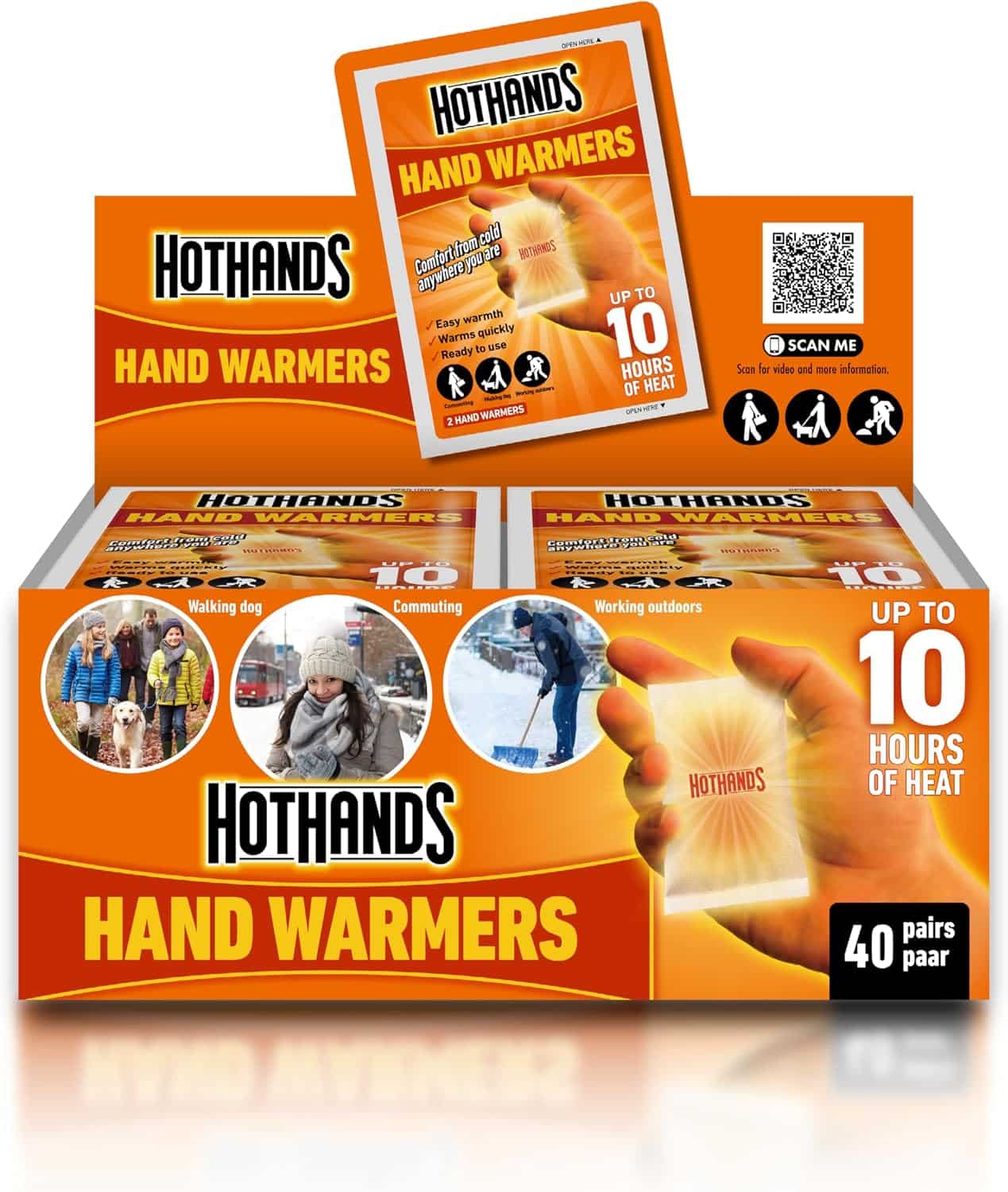
HotHands Hand Warmers — Multi-Pack
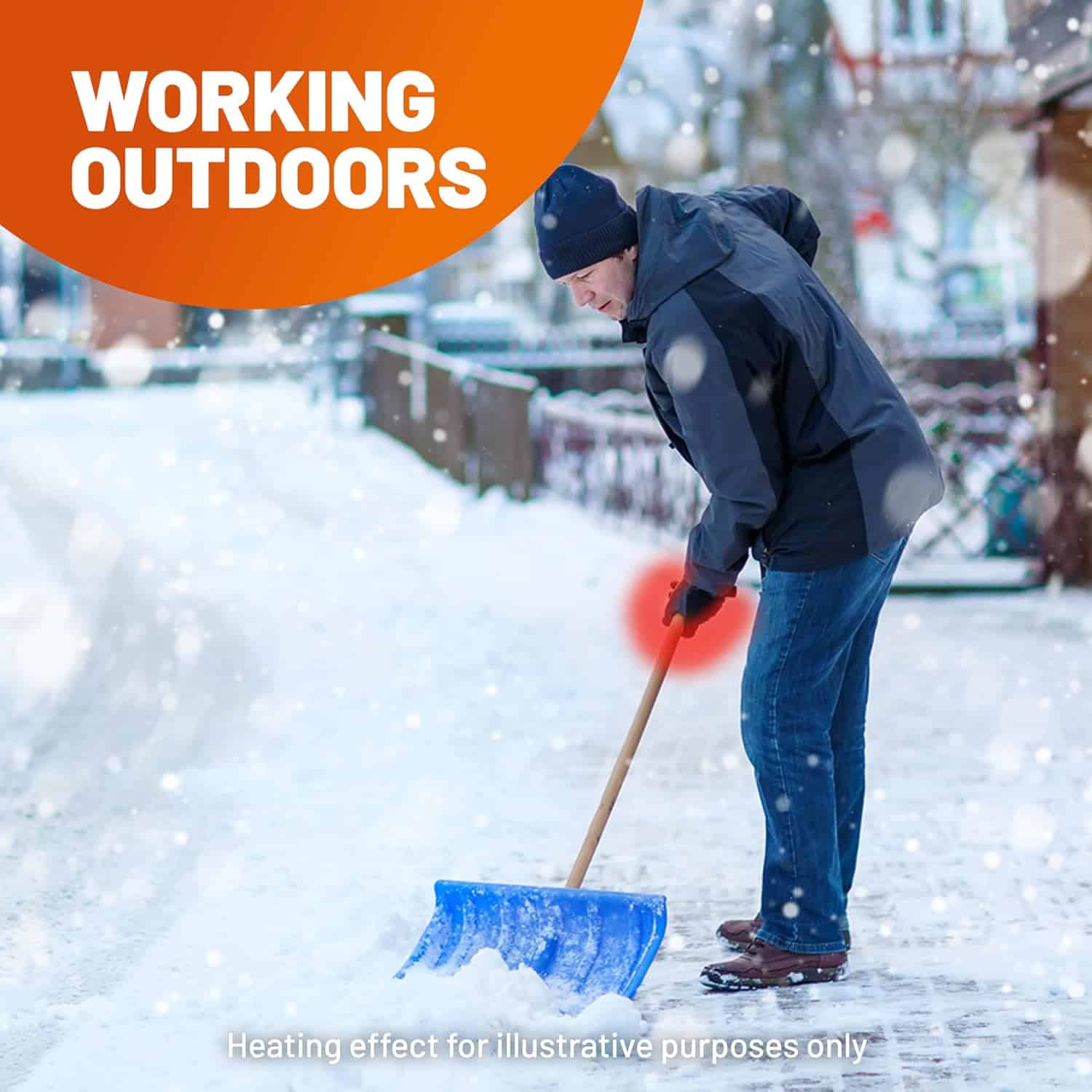
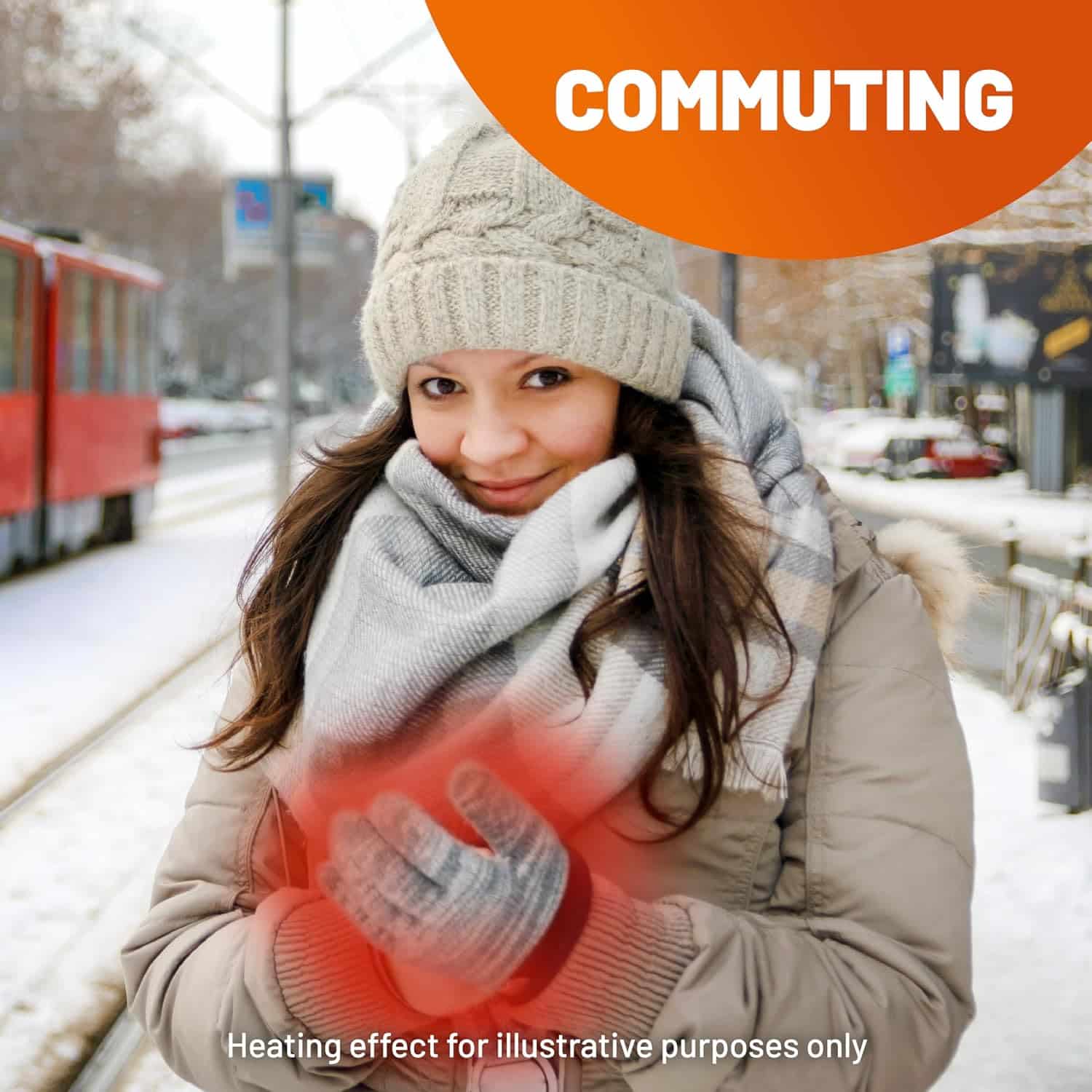
HotHands produce heat when the sealed sachets are opened and their contents react with oxygen. They are small enough to carry in a jacket pocket or rucksack, making them useful for rest stops, photography breaks and cold-weather travel. This Amazon listing is for a bulk pack; check the exact number of pairs supplied by your chosen variation.
- Heat source: air-activated, with no battery or charger required
- Claimed duration: up to ten hours of warmth under the manufacturer’s stated conditions; actual heat varies with airflow and temperature
- Use: open the outer packaging when needed and follow the instructions printed on the sachet
- Portability: individually packed warmers can be carried as extras for a day out
- Limitations: disposable products create waste and do not replace insulated gloves
- Important safety: follow the manufacturer’s directions; avoid direct or prolonged contact with skin, do not use while sleeping and stop use if uncomfortably hot
Best full-insole foot warmers: THE HEAT COMPANY



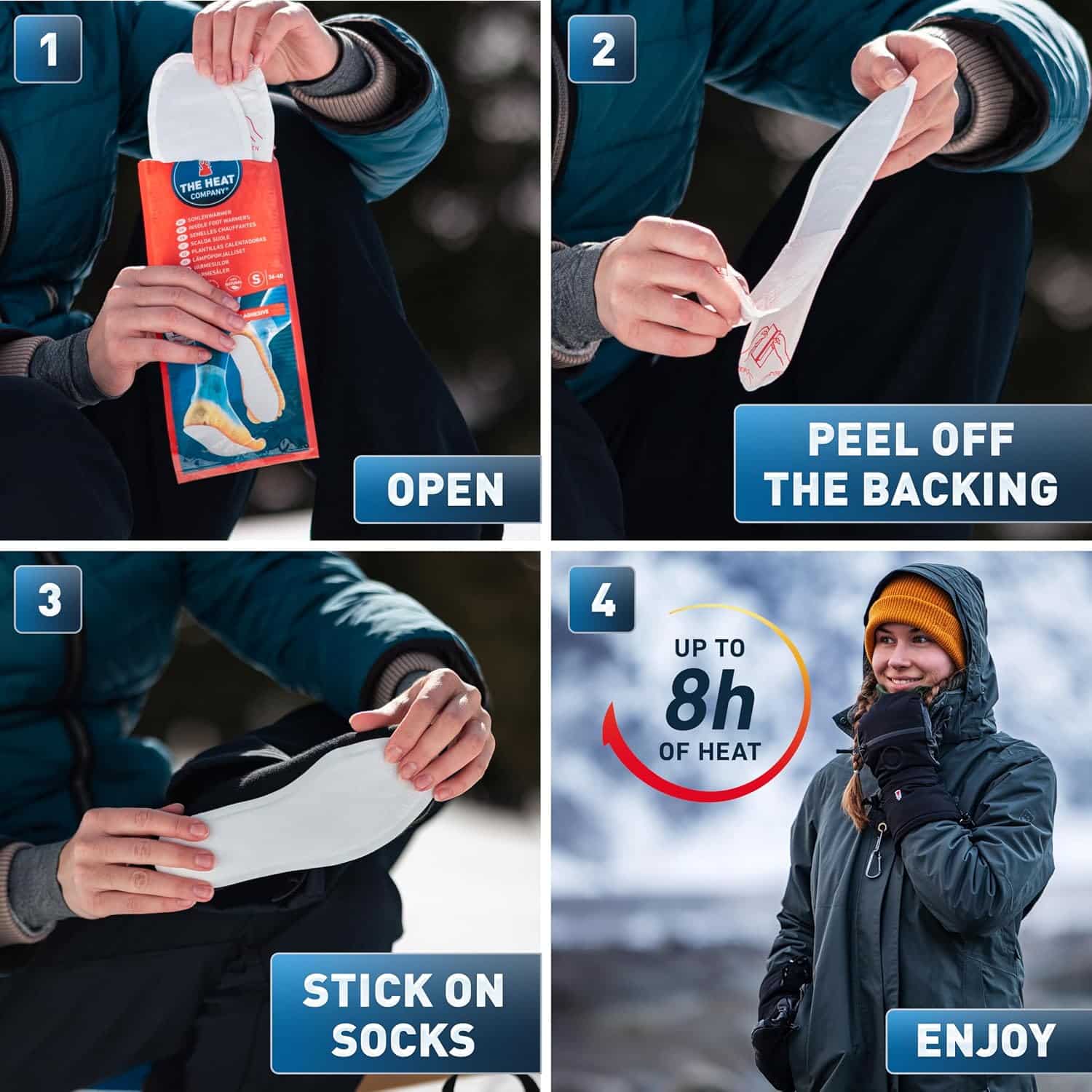

Air-activated disposable insole warmers
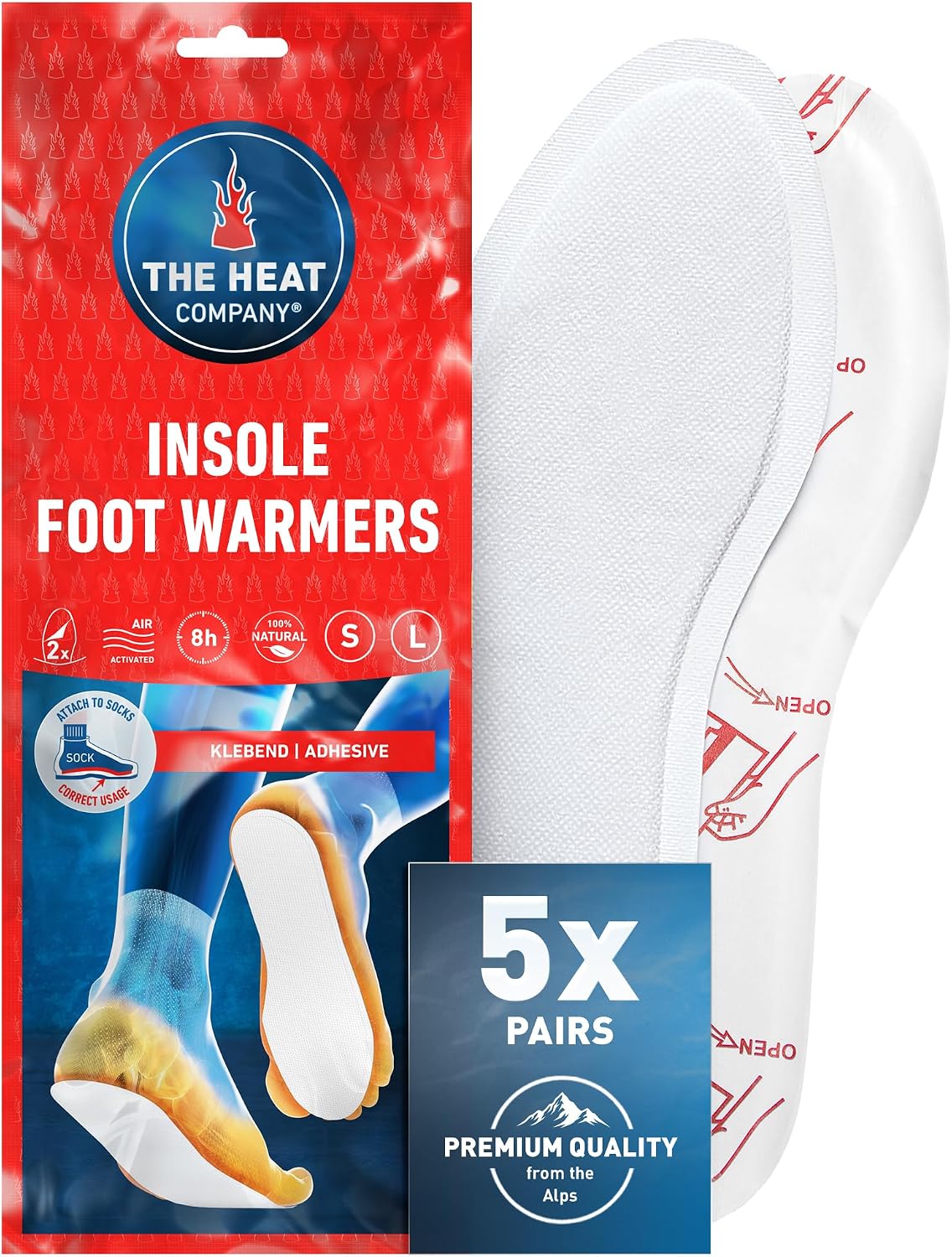
THE HEAT COMPANY Insole Foot Warmers — 5 Pair Pack
These thin, disposable insole warmers are designed to fit inside suitable walking boots and provide additional warmth underfoot on colder days. Once the sealed pack is opened, exposure to air starts the heating process; no batteries, charger or boiling water are required. They are a practical addition for walkers who find their feet get cold on long stops, provided the boot has adequate space for a safe, comfortable fit.
- Type: full-insole air-activated warmers, not hand warmers or stick-on toe-only pads
- Pack: the linked ASIN B017EYJ35C is associated with a five-pair pack; confirm the seller’s current quantity and variation
- Size: linked pack is associated with large footwear sizes EU 41–46; check before ordering
- Warmth: manufacturer advertises up to around eight hours of warmth under suitable conditions; duration varies with temperature and air exposure
- Application: follow the package instructions on placement and which side faces upwards; do not place against bare skin
- Boot fit: ensure the added insole does not restrict circulation, crowd the toes or make footwear dangerously tight
- Use with care: remove immediately if the warmer feels too hot or causes irritation, and avoid use during sleep
- Important limitation: neither disposable insole warmers nor hand warmers can substitute for insulated socks, dry boots and adequate cold-weather clothing
Best reusable option: Lepwings Rechargeable Hand Warmers
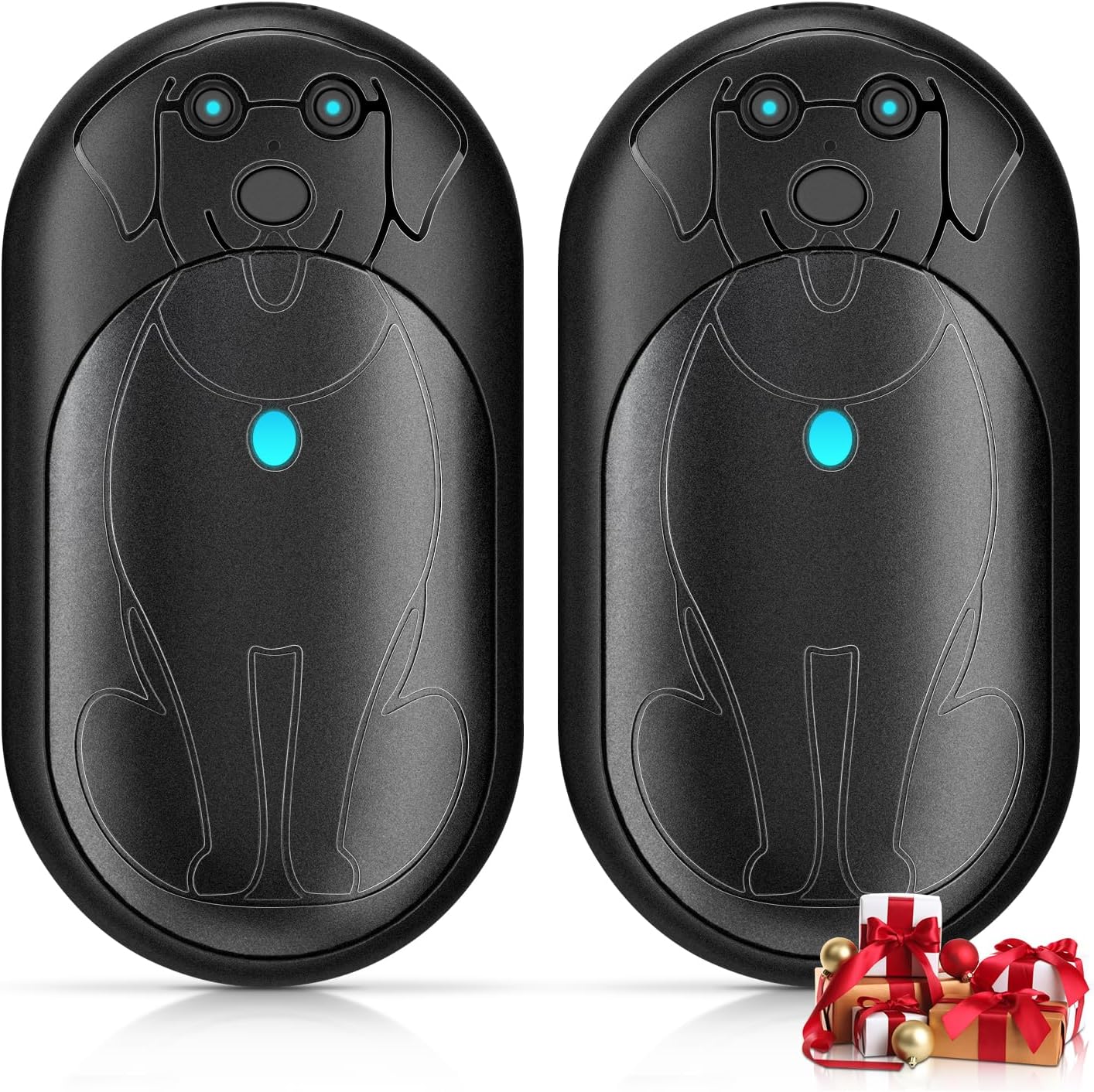

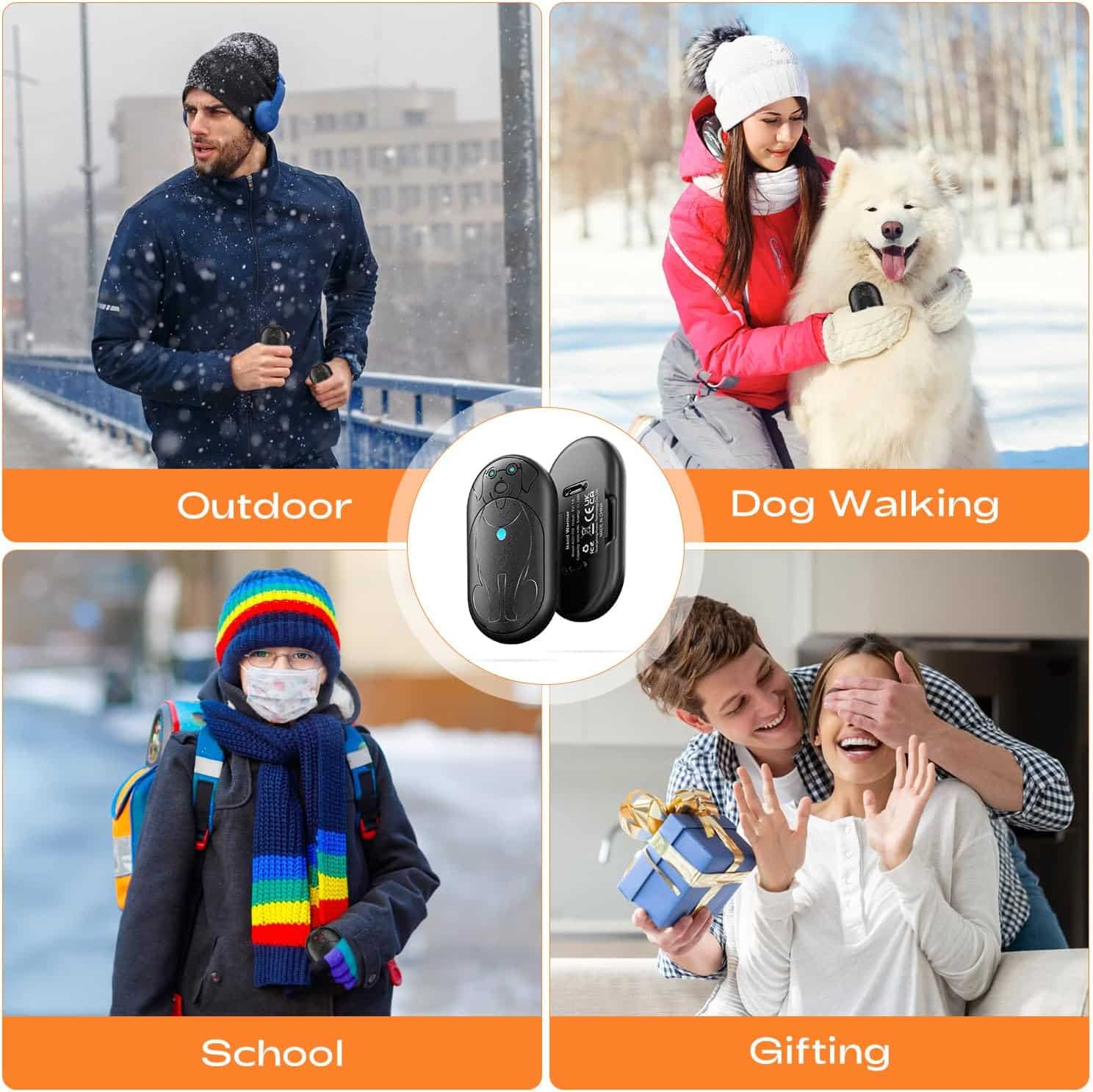


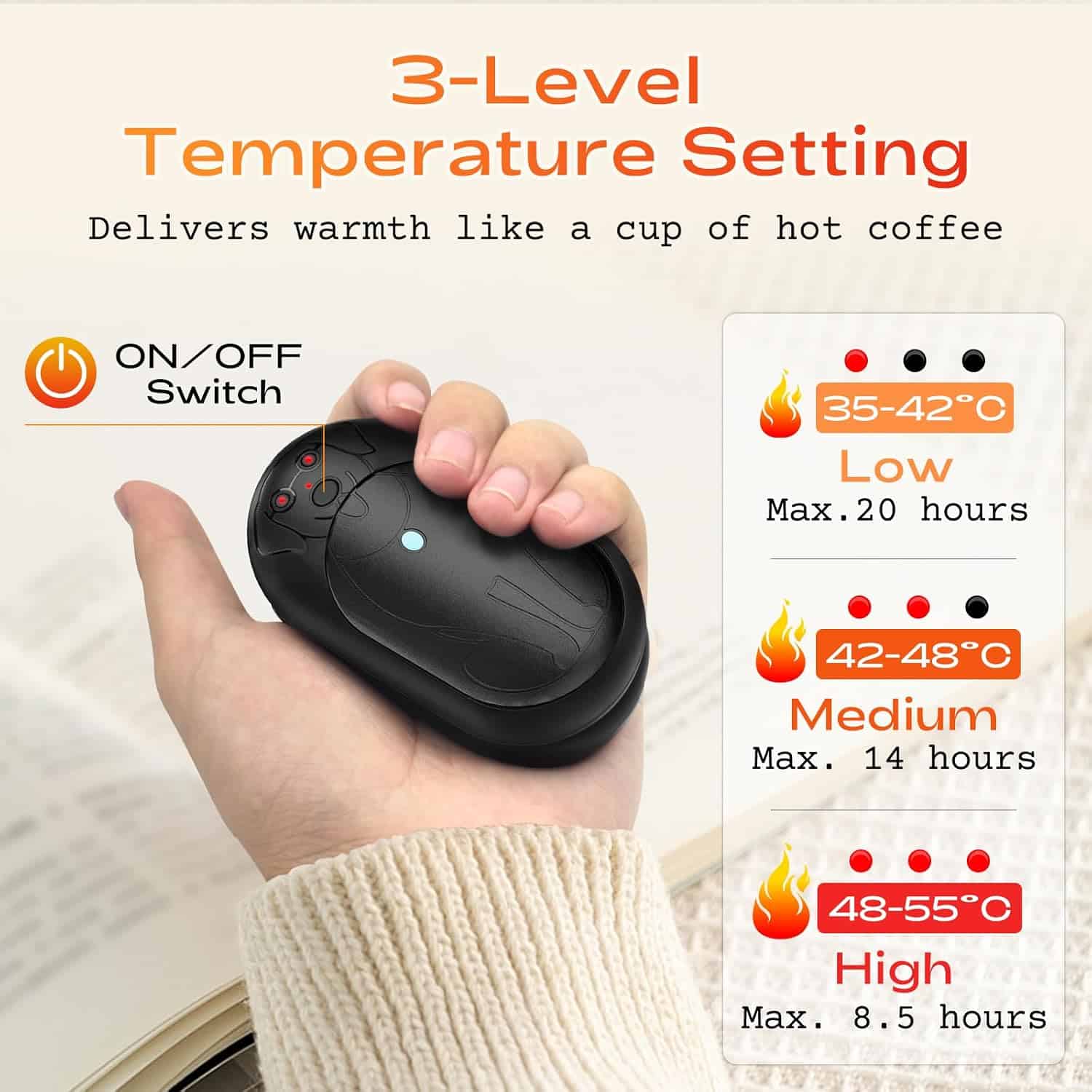
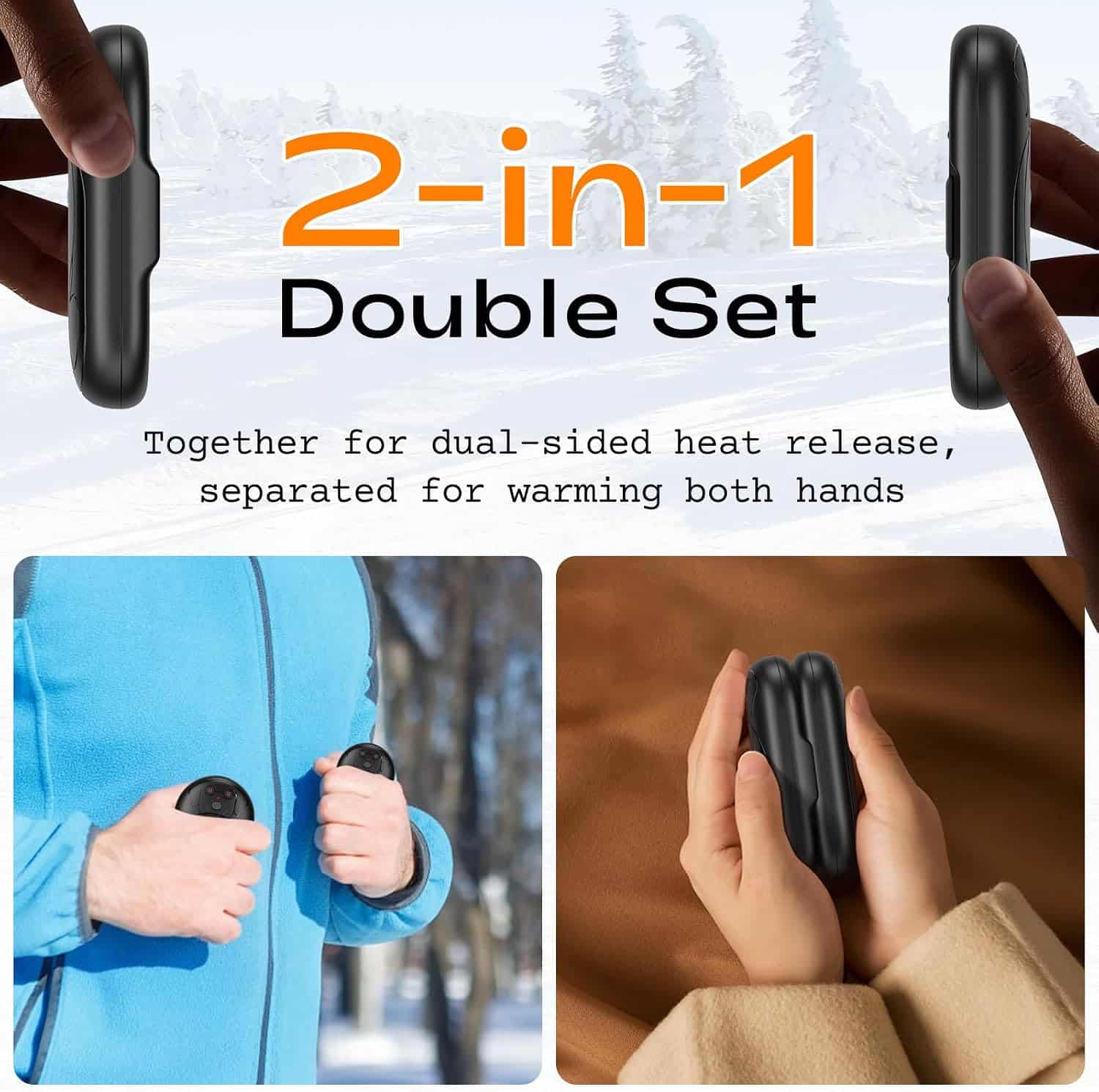
Reusable battery-powered hand warmer
Lepwings Rechargeable Hand Warmers
The Lepwings rechargeable hand warmers are an alternative to disposable air-activated heat packs for regular winter walks, cold-weather photography and everyday outdoor use. Once charged, the compact electric warmer can provide heat without opening or throwing away single-use sachets.
- Power: rechargeable electric heating rather than single-use air-activated chemical packs
- Heat control: adjust the available heat settings according to the instructions for the selected model; do not assume a specific temperature or runtime from other brands
- Charging: charge fully before setting out and use only the recommended cable and power source
- Portability: compact design intended for hand-held warmth or keeping in a suitable pocket between uses
- Best for: walkers who regularly want supplementary hand warmth and prefer a rechargeable option
- Limitations: battery life varies with temperature, selected heat level, battery age and charge; very cold conditions can reduce usable runtime
- Care: keep the electrical unit dry, avoid crushing or damaging it, and do not charge a wet or damaged warmer
- Safety: avoid prolonged contact with bare skin, especially on higher settings; never use while sleeping, and follow the manufacturer’s instructions for children and anyone with reduced heat sensation
How to choose hand and foot warmers
Disposable or rechargeable?
Air-activated packs suit occasional use or backup kit because they are light and need no power supply. Rechargeable hand warmers make more sense if used regularly, but batteries can provide shorter runtimes in low temperatures. Check charging instructions and keep battery-operated devices dry.
Hand warmers are different from foot warmers
Choose products specifically labelled for your intended location. Some hand warmer sachets are too hot or bulky for footwear, where pressure and reduced airflow may increase the risk of burns. Foot warmer products are designed for use in shoes and boots according to their own safety instructions.
Fit your clothing system first
For winter hikes, prioritise dry base layers, a waterproof shell, insulated gloves, warm socks and footwear with sufficient room for circulation. Avoid overtightening boots or compressing thick socks, which can worsen cold toes. Pack dry spares for exposed mountain days.
Affiliate disclosure: As an Amazon Associate, we earn from qualifying purchases. Availability, pack quantity and performance claims can change.
Editorially updated November 2026.

A former British Military Officer, Eddie went on to study History and then Journalism at Sheffield Hallam University. A keen outdoorsman, he has co-written several books on Outdoor Survival and Wild Camping. Now living in Penrith, Ed is a keen fellrunner.