Ambleside Roman Fort: A Historical Overview
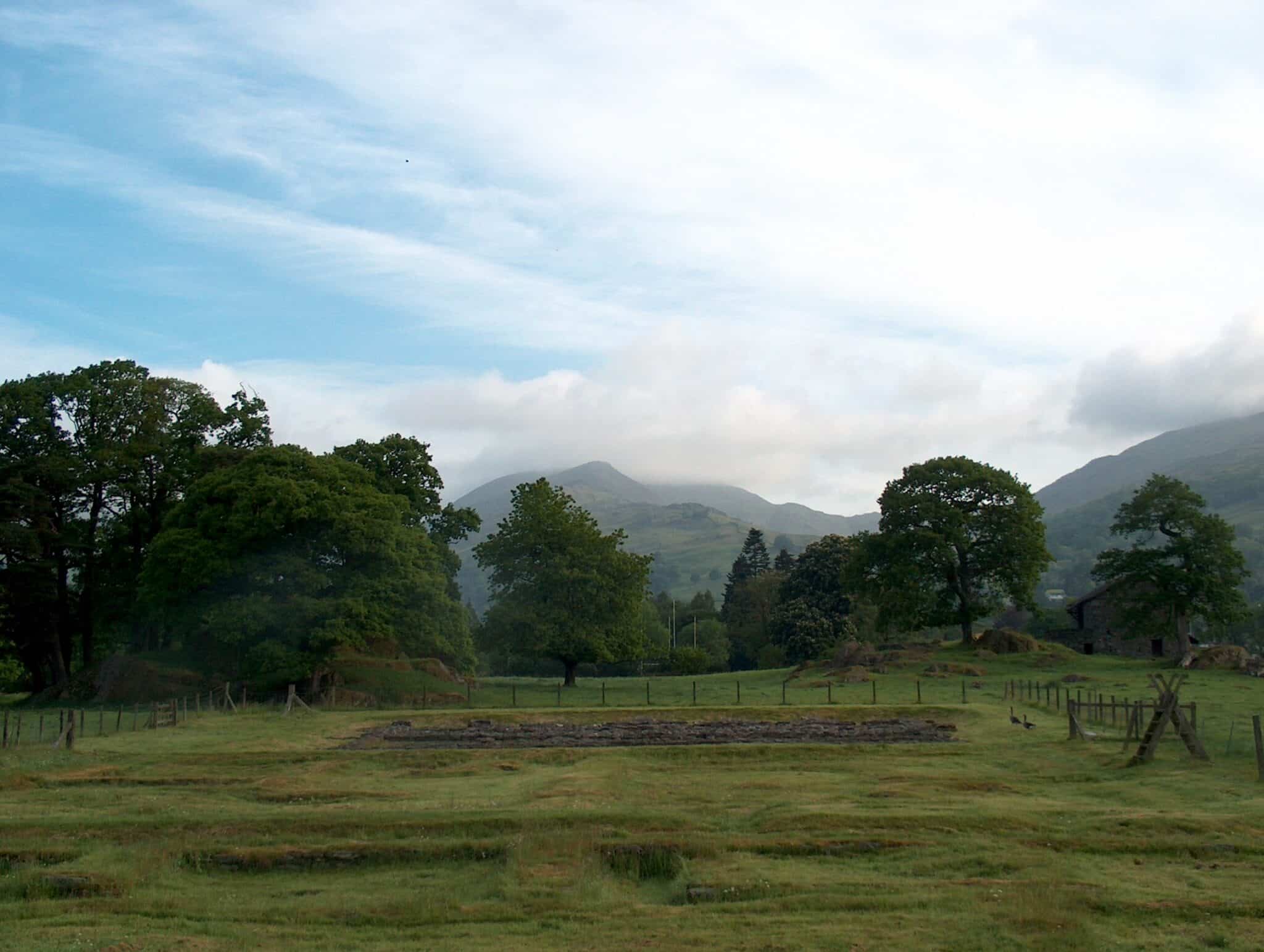
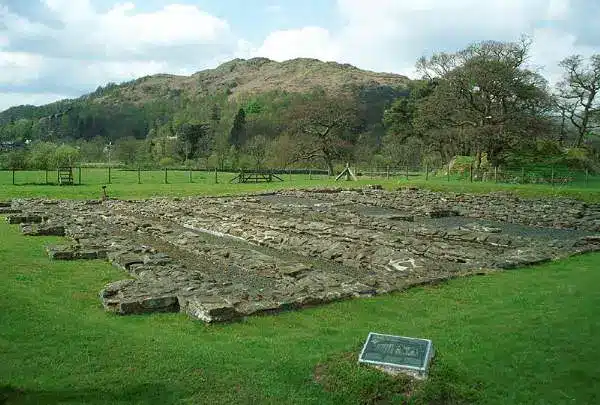
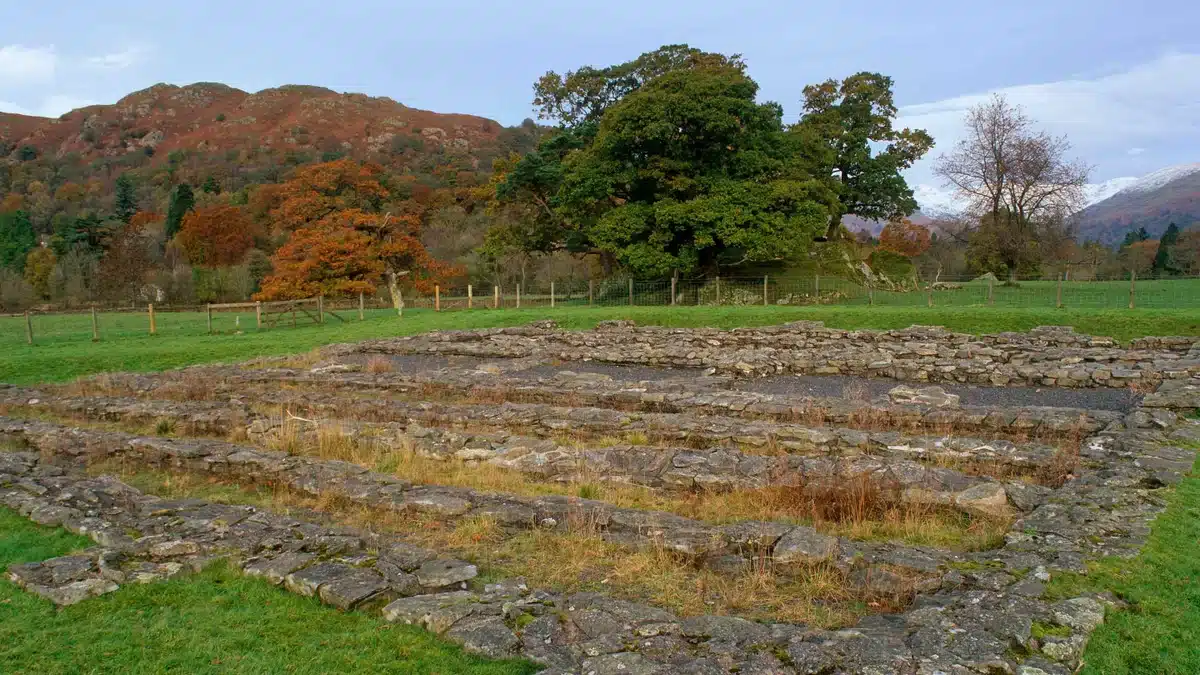
Ambleside Roman Fort is a historical site located in Cumbria, England. The fort dates back to the 2nd century and was built under Hadrian’s rule to guard the Roman road from Brougham to Ravenglass and to act as a supply base. The ruins of the fort are located on the shores of Lake Windermere and are well-marked, making it easy for visitors to explore the remains of this ancient fort.
Managed by the National Trust and English Heritage, Ambleside Roman Fort is free to enter and open any reasonable time during daylight hours. The rectangular enclosure measures about 91 by 128 meters and covers an area of almost 1.3 hectares. The settlement was probably built under Emperor Hadrian’s rule and was occupied until the end of the Roman occupation of Britain. Visitors can explore the ruins of the fort and imagine what it was like being a Roman in the Lake District.
The history of the fort is fascinating, and visitors can learn about the daily life of the soldiers who once lived and worked there. The fort is an important part of the history of the Lake District and is a popular destination for tourists interested in history and archaeology.
Location Information
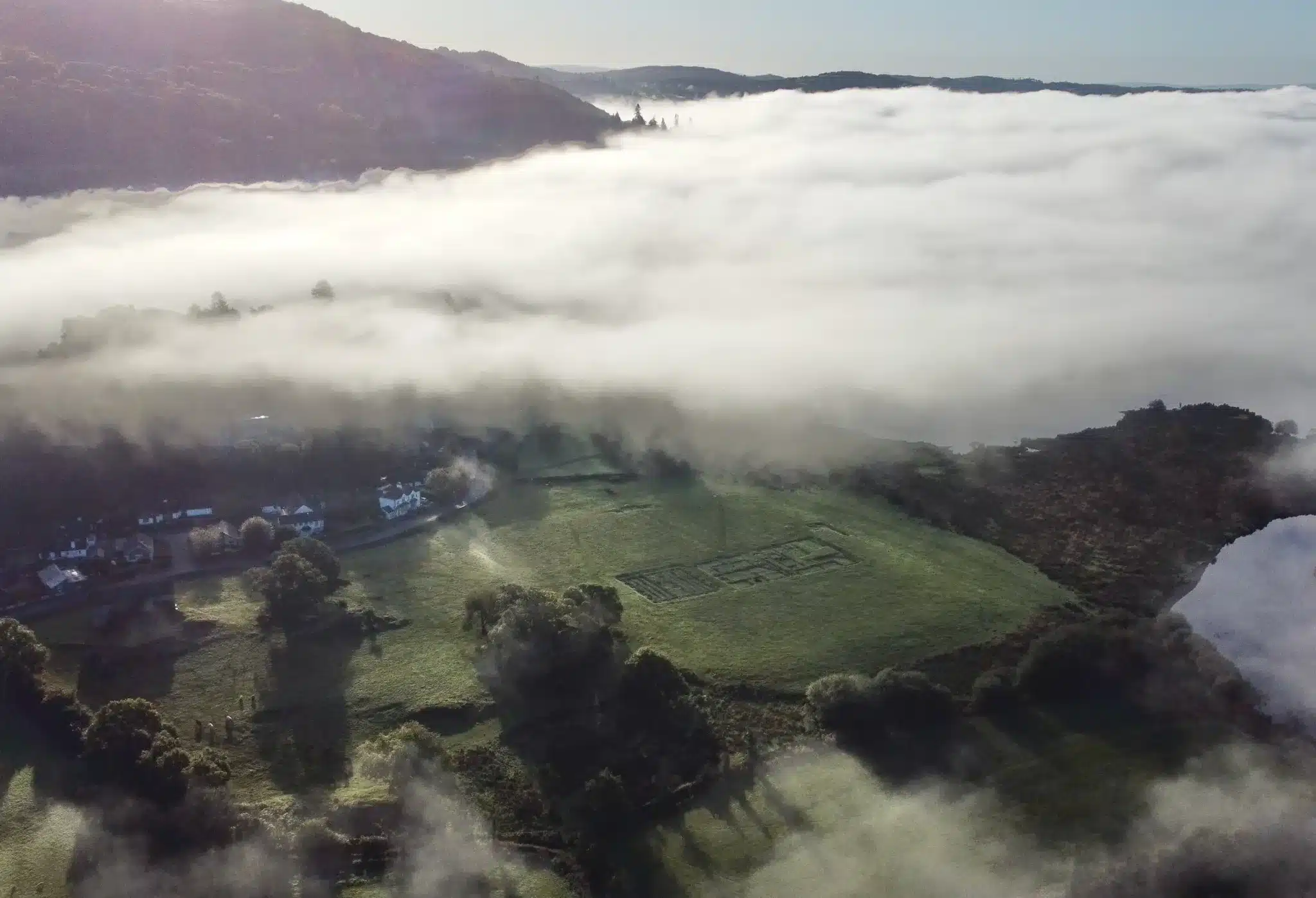
Ambleside Roman Fort is situated in the town of Ambleside, located in the county of Cumbria, England. The fort is located approximately 0.8 kilometres south of Ambleside town centre, at the north end of Windermere, upon the eastern banks of the Brathay and Rothay rivers. The ruins occupy a field, known as Borrans Field, between the Brathay and Borrans Park.
Visitors to the Ambleside Roman Fort can park their vehicles at the nearby Waterhead car park, which is located just 182 metres east of the fort. The car park has a capacity of 200 vehicles and is open from 8:00 AM to 8:00 PM. Parking charges apply and can be paid using cash or card.
For visitors who prefer to use public transport, the nearest bus stop is Pier Stop, which is a 10-minute walk from the fort. Stagecoach Cumbria operates several bus services to Ambleside, including the 505, 516, 555, 599, and X8. Visitors can also take the train to Windermere station, which is located 4 miles away from the fort.
Visitors to the Ambleside Roman Fort are advised to keep their dogs on leads at all times. This is because the fort is located in an area where farm livestock may be present. Visitors are also advised to wear appropriate footwear, as the ground can be uneven and slippery in wet weather.
In summary, the Ambleside Roman Fort is located in the town of Ambleside, Cumbria, on the eastern banks of the Brathay and Rothay rivers. Visitors can park their vehicles at the nearby Waterhead car park or use public transport to reach the fort. Visitors are advised to keep their dogs on leads and wear appropriate footwear when visiting the fort.
History of Ambleside Roman Fort
Ambleside Roman Fort is a historic site located on the shores of Lake Windermere in the Lake District National Park. The fort was built during the Roman occupation of Britain and is believed to have been constructed during the reign of Emperor Hadrian, who ruled from AD 117-138.
The fort covers an area of three acres and was likely built to guard the Roman road from Brougham to Ravenglass and to act as a supply base. It was strategically placed to control the passage through the Lake District and to protect the Roman presence in the area.
During the Roman occupation of Cumbria, Ambleside Roman Fort played a significant role in the region’s history. The fort was part of a network of Roman military installations that controlled the area and helped to maintain the Roman Empire’s hold on Britain.
Under Hadrian’s rule, the Romans built a series of defensive fortifications across Britain, including Hadrian’s Wall in the north of England. Ambleside Roman Fort was one of many such fortifications built during this time and played an important role in protecting the Roman Empire’s interests in the region.
Today, the well-marked remains of Ambleside Roman Fort provide a fascinating glimpse into the region’s rich history. Managed by the National Trust, the site is open to the public and offers visitors the opportunity to explore the ruins and learn more about the Roman occupation of Cumbria.
Fort Remains and Defences
The Ambleside Roman Fort is located in the Windermere region of Cumbria, UK. The ruins of the fort have been identified as Galava, which was mentioned in the Antonine Itinerary. The fort was built in the 2nd century AD, probably under the rule of Hadrian, to guard the Roman road from Brougham to Ravenglass and to act as a supply base.
The surviving features of the fort relate to the second fort constructed on the site, although there is a possibility that elements of the earlier fort are also represented. The fort was built on a sloping site, which made it easier to defend. The fort ruin covers an area of about 2.5 acres and is surrounded by a ditch and clay rampart.
The fort defences were designed to provide maximum protection to the garrison. The ditch was about 6.5 metres wide and 2.5 metres deep. The clay rampart was about 4.5 metres high and 12 metres wide at the base. The rampart was made of clay and turf and was reinforced with timber. The timber was probably obtained from the nearby forests.
The fort was entered through a main gate, which had a double carriageway and flanking guard towers. The gate was located on the east side of the fort and was protected by a tower on each side. There were also other gates on the north and south sides of the fort.
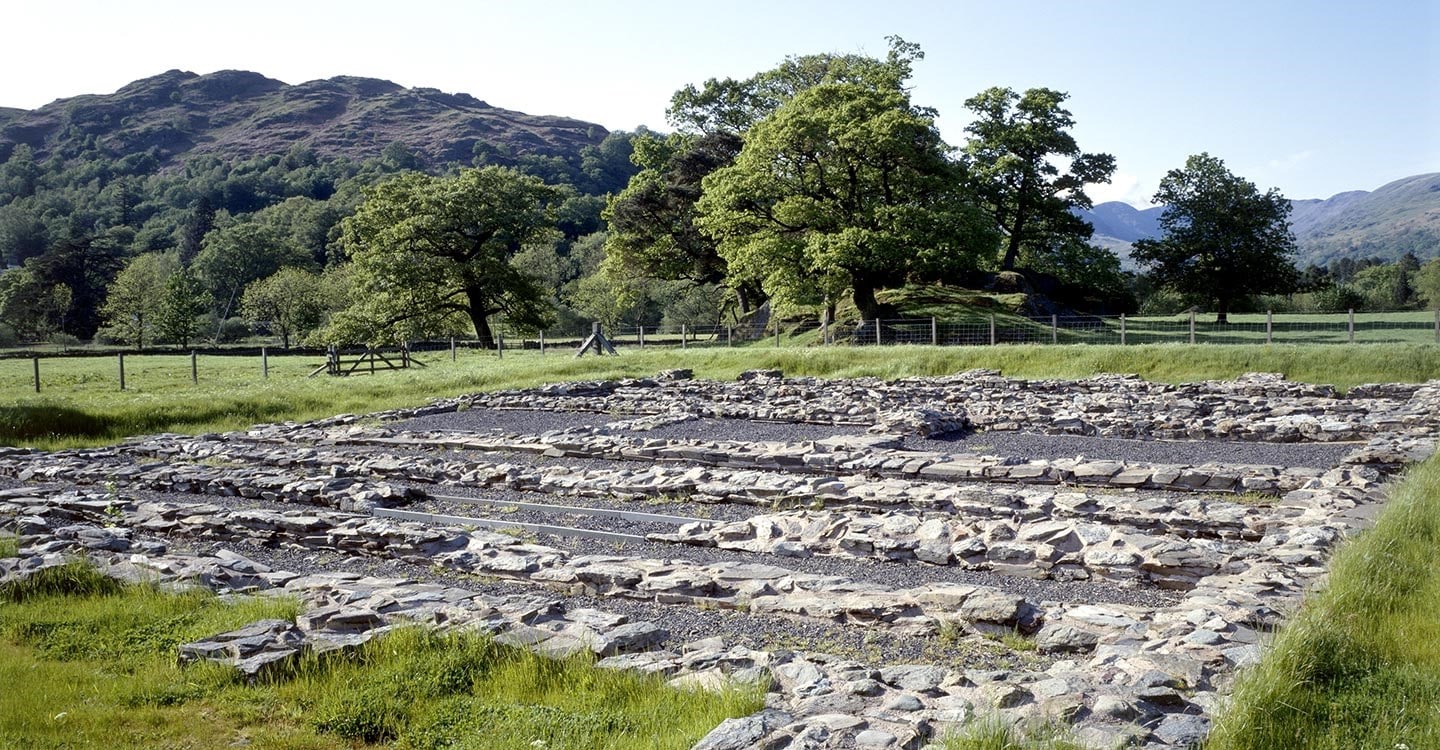
In very dry weather, the line of the Roman road approaching the gate can be clearly seen as a crop-mark in the grass. The fort also had a number of buildings, including barracks, granaries, workshops, and a hospital. The remains of some of these buildings can still be seen today.
Overall, the Ambleside Roman Fort was a well-designed and well-constructed fort that provided maximum protection to the garrison. The fort remains and defences are a testament to the engineering skills of the Roman army and are a fascinating glimpse into the past.
Buildings and Structures
The Ambleside Roman Fort was a rectangular enclosure that measured about 91 by 128 meters, covering an area of almost 1.3 hectares. The ruins of the fort include several buildings and structures that served different purposes.
Headquarters Building
The Headquarters Building or Praetorium was the administrative centre of the fort. It was a large building that housed the commanding officer’s quarters, offices, and storerooms. The building was located at the eastern end of the fort, close to the main gate.
Legionary Barracks
The Legionary Barracks were the living quarters for the soldiers stationed at the fort. The barracks were located in the western part of the fort. They were made up of several blocks of buildings that housed the soldiers in separate rooms.
Principia
The Principia was the sacred heart of the fort, where the standards were kept, and the religious ceremonies were held. It was located in the centre of the fort and was a large, rectangular building with a courtyard. The building was also used for storage and as a meeting place for the officers.
Granaries
The Granaries were large buildings used for storing grain and other food supplies. The granaries were located at the north end of the fort, close to the river. They were raised on pillars to keep the grain dry and safe from rodents.
Bath House
The Bath House was a large building that housed the soldiers’ bathing facilities. It was located in the southern part of the fort and was divided into several rooms, including the hot room, the warm room, and the cold room. The bathhouse was an essential part of the soldiers’ daily routine.
Towers
The Towers were tall structures built along the walls of the fort. They were used as lookout posts and for defence purposes. The towers were strategically placed to provide a clear view of the surrounding area. The fort had several towers, including corner towers, gate towers, and intermediate towers.
Main Gate
The Main Gate was the main entrance to the fort. It was located at the eastern end of the fort, close to the Headquarters Building. The gate was a large, fortified structure with two towers on either side. The gate was the most heavily guarded part of the fort.
South Gate
The South Gate was the secondary entrance to the fort. It was located at the southern end of the fort and was less fortified than the main gate. The gate was guarded by a small detachment of soldiers and was used mainly for the movement of supplies and personnel.
In conclusion, the Ambleside Roman Fort was a well-planned and strategically designed structure. The buildings and structures within the fort served different purposes and were essential for the soldiers stationed there. The fort’s layout and design were typical of Roman forts, with the Headquarters Building and Principia located at the centre of the fort, and the barracks and other buildings located around the perimeter.
Life in the Fort
Life in Ambleside Roman Fort was centered around the garrison of Roman soldiers who were stationed there. The fort was built during the reign of Emperor Hadrian in the 2nd century AD, and it served as a supply base for the Roman army.
The soldiers who lived in the fort were responsible for guarding the Roman road from Brougham to Ravenglass, which passed through Cumbria. They also protected the local population from raids by barbarian tribes.
In addition to the soldiers, there were also traders who lived in the fort. They provided goods and services to the soldiers and the local population. The fort was strategically located on the northern shore of Lake Windermere, which made it an ideal location for trade.
Life in the fort was tough for the soldiers. They had to endure long hours of training and guard duty, as well as harsh living conditions. The soldiers lived in barracks and slept on straw mattresses. They also had to deal with the cold and damp weather of the Lake District.
Despite the challenges, the soldiers in Ambleside Roman Fort were well-trained and disciplined. They were equipped with weapons and armor, and they were skilled in the art of warfare. They were also well-fed, with a diet that included meat, bread, and vegetables.
Overall, life in Ambleside Roman Fort was challenging but fulfilling for the soldiers and traders who lived there. They were part of a larger Roman presence in Cumbria, which helped to maintain peace and stability in the region.
Visiting Ambleside Roman Fort
Ambleside Roman Fort is a fascinating historical site located on the shores of Lake Windermere in Cumbria, UK. The fort dates back to the 2nd century and is well-preserved, making it an excellent destination for history enthusiasts and anyone interested in the Roman Empire.
One of the best things about Ambleside Roman Fort is that it is completely free to enter. Visitors can explore the site at their own pace and take in the history and atmosphere of the fort. The site is open any reasonable time during daylight hours, making it easy to fit a visit into your schedule.
The site features several information plaques and info boards that provide visitors with detailed information about the fort’s history and significance. These plaques and boards are well-maintained and offer a wealth of information about the site. Additionally, there is plenty of signage throughout the site, making it easy to navigate and understand the layout of the fort.
The cleanliness of the site is also noteworthy. The grounds are well-maintained, and visitors are asked to respect the site and keep it clean. There are several bins located throughout the site for visitors to dispose of any rubbish.
The atmosphere of Ambleside Roman Fort is peaceful and serene. The site is surrounded by beautiful scenery, and visitors can take in stunning views of Lake Windermere while exploring the fort. The fort is also relatively quiet, making it an excellent destination for those looking for a peaceful and educational day out.
General tips for visiting Ambleside Roman Fort include wearing comfortable shoes, bringing a camera to capture the stunning views, and packing a picnic to enjoy on the grounds of the fort. Visitors should also be aware that there are no facilities on site, so it’s a good idea to bring any necessary supplies with you.
Overall, Ambleside Roman Fort is an excellent destination for anyone interested in history and the Roman Empire. With its free entry, informative plaques, and peaceful atmosphere, it’s a must-visit destination for anyone in the Cumbria area.
Nearby Places to Visit
When visiting Ambleside Roman Fort, there are several nearby places worth exploring. Here are some of the top options:
Ravenglass
Ravenglass is a historic coastal village located approximately 14.5 kilometres (9 miles) northeast of Ambleside Roman Fort. It is home to the Ravenglass and Eskdale Railway, a popular narrow-gauge steam railway that takes visitors through some of the Lake District’s most beautiful scenery. There are also several pubs, cafes, and shops to explore in the village.
Brougham
Brougham is a small village located approximately 57 kilometres (35 miles) south of Ambleside Roman Fort. It is home to Brougham Castle, a well-preserved medieval castle that dates back to the 13th century. Visitors can explore the castle’s ruins and learn about its fascinating history.
Hardknott Roman Fort
Located approximately 17 kilometres (10 miles) northwest of Ambleside Roman Fort, Hardknott Roman Fort is another well-preserved Roman site. Managed by the National Trust and English Heritage, the fort is free to visit and offers stunning views of the surrounding landscape.
Stott Park Bobbin Mill
Stott Park Bobbin Mill is a historic mill located approximately 16 kilometres (10 miles) southeast of Ambleside Roman Fort. Visitors can learn about the mill’s history and see demonstrations of how bobbins were made during the Industrial Revolution.
Lake Cruise
Finally, visitors to Ambleside Roman Fort may want to consider taking a lake cruise on Lake Windermere. There are several companies that offer cruises of varying lengths, from short trips around the lake to full-day excursions. This is an excellent way to see the stunning scenery of the Lake District from a different perspective.
Overall, there are plenty of nearby places to visit when exploring Ambleside Roman Fort. Whether you’re interested in history, nature, or just relaxing on a boat, there’s something for everyone in the surrounding area.
Conclusion
Ambleside Roman Fort is a fascinating site that offers a glimpse into the history of the Roman Empire. From the ruins of the fort, it is clear that the Romans had a significant presence in the Lake District, and that Ambleside was an important strategic location. The fort was probably built under the rule of Emperor Hadrian to guard the Roman road from Brougham to Ravenglass and to act as a supply base.
The Antonine Itinerary mentions Galava, which is believed to be the name of the fort. The ruins of the fort have been tentatively identified as Galava, and it is likely that the fort played an important role in the Roman Empire’s efforts to maintain control over Britain.
Flavius Romanus, the commander of the fort, is mentioned in a number of inscriptions found at the site. These inscriptions provide valuable insight into the daily life of the soldiers stationed at the fort, as well as the administrative structure of the Roman Empire.
Mary Beard, a renowned scholar of classical civilisation, has written extensively on the Roman Empire and its legacy. Her work provides valuable context for understanding the significance of sites like Ambleside Roman Fort, and helps to place the fort within the broader context of the Roman Empire’s history.
The praetorium, or commander’s residence, is one of the most impressive features of the fort. The ruins of the praetorium offer a glimpse into the luxurious lifestyle enjoyed by the fort’s commander, and provide valuable insights into the social hierarchy of the Roman Empire.
Overall, Ambleside Roman Fort is a fascinating site that offers a wealth of information about the Roman Empire’s presence in Britain. From the fort’s strategic location to the daily lives of the soldiers stationed there, there is much to learn from this remarkable site.