

ECCLERIGG CRAG · WINDERMERE · HIDDEN HERITAGE
Longmire’s Rocks: mysterious Victorian inscriptions beside Windermere
At Ecclerigg Crag on the eastern shore of Windermere, a former lakeside quarry contains some remarkable nineteenth-century rock carvings: huge engraved names, dates and comments on science, politics, exploration and public life. Known today as Longmire’s Rocks, the inscriptions are a little-known part of the Lake District’s cultural history.
Reviewed 11 November 2026. This is primarily a history and heritage guide. The quarry is on private grounds, and public access is not assured. Do not enter the hotel grounds or follow paths to the stones without the landowner’s explicit permission.
What is carved into Longmire’s Rocks?
Several large slabs of exposed bedrock have finely cut inscriptions, including names associated with invention, literature, discovery and public debate. A historical survey describes five large inscribed slabs, plus fragments partly in the lake. Four were dated between 1835 and 1837.
Names include Isaac Newton, James Watt, Admiral Nelson, Lord Byron, Edward Jenner and polar explorers such as Ross and Parry. An inscription about the national debt uses the phrase “Money is the sinew of war”. Others concern liberty, historic rights and the abolition of slavery, suggesting a deliberate selection of people and ideas rather than random graffiti.
One early nineteenth-century visitor described the carvings as extraordinary curiosities on the lakeshore. The late historian Blake Tyson studied the stones and published detailed drawings and interpretations in Transactions of the Ancient Monuments Society in 1981.
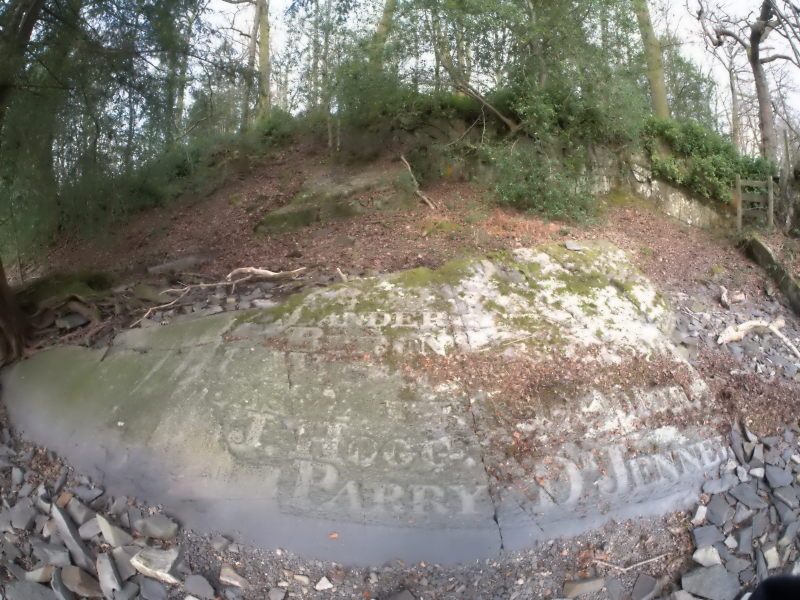
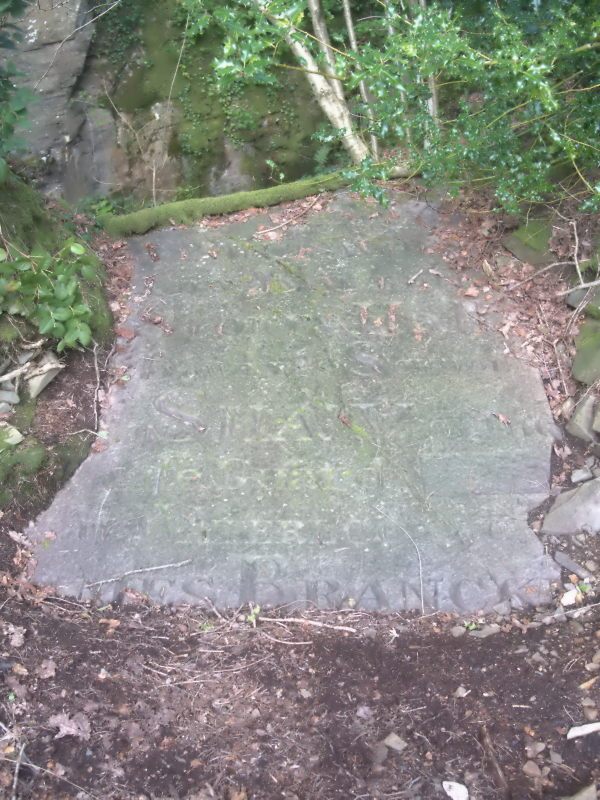
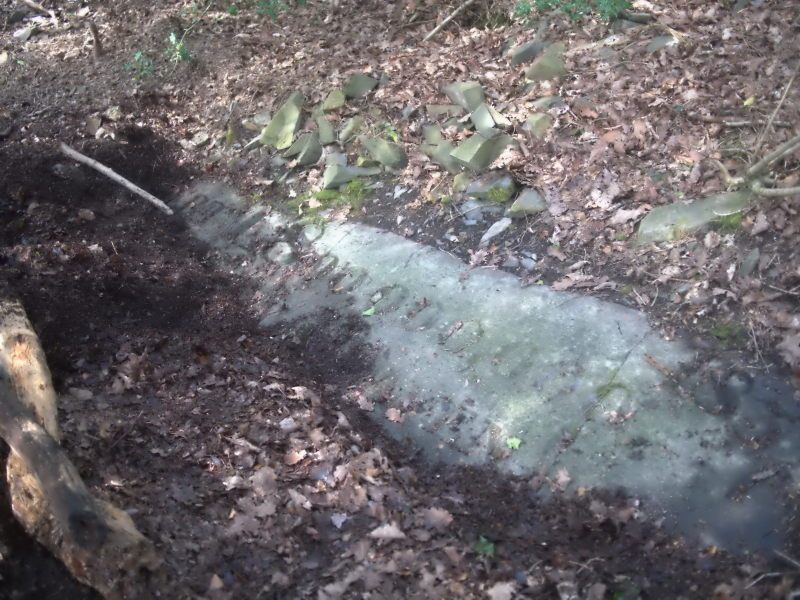
For a scholarly examination see Blake Tyson’s 1981 paper on the quarry inscriptions and the Old Cumbria Gazetteer.
Who was John Longmire?
The carvings are traditionally attributed to John Longmire, a stone mason associated with nearby Troutbeck. Nineteenth-century accounts repeat that association and describe years spent cutting the stones, but the documentary record is incomplete. Tyson’s detailed study noted that there was no firm independent documentary proof confirming that Longmire carved every inscription.
The inscriptions may offer clues to the maker’s interests: reform, science, exploration, the rights of ordinary people and prominent literary figures. Their precise purpose is still open to interpretation. It is more accurate to call them traditionally attributed to Longmire than to claim the full story of their origin is certain.
The research and discussion in Scratching the Surface: the Ecclerigg and Baycliff Inscriptions explores the mystery in more depth.
Ecclerigg Crag: a quarry on the Windermere shore
Ecclerigg Crag was worked for building stone long before the inscriptions were made. Its location close to the lakeshore made transportation by boat possible, and historical records connect the quarry stone with building projects around Windermere, including work on Belle Isle.
The quarry’s history is interwoven with the development of large lakeside houses, including Crag Wood House, built in the early twentieth century. The inscriptions survive on bedrock exposed by quarrying, rather than as separate portable monuments.
Over time the carvings have suffered natural weathering and changes to their surroundings. Historical drawings and photographs are therefore valuable records in their own right.
For the original research, consult the Old Cumbria Gazetteer entry and the study of the quarry’s social history.
Can you visit Longmire’s Rocks?
If you wish to enquire about seeing the carvings, contact the landowner or hotel management in advance and ask whether visits are currently permitted. There may be no visitor access at all. If permission is granted, follow any instructions given and respect privacy, grounds and parking arrangements.
Protect the carvings
- Never brush, scrape or wash moss from the lettering yourself — cleaning can damage historic surfaces
- Do not chalk or trace carvings, make rubbings, chip stone or remove anything
- Avoid standing on the carved surfaces, especially when damp or slippery
- Keep clear of the water’s edge and any unstable quarry faces
- Use existing photographs and written records as an alternative if permission is unavailable
Because access cannot be guaranteed, this site is not recommended as a spontaneous tourist stop. It is a specialist heritage curiosity to research rather than a regularly managed visitor attraction.
Discover more hidden Lake District history
For heritage sites where visitor access is clearer, consider Castlerigg Stone Circle near Keswick, The Armitt in Ambleside or the Lake District cultural landmarks guide. More places connected with writers and artists can be found in our literary heritage guide.
Explore Troutbeck and our museum listings for other places of interest. Unlike Longmire’s Rocks, these guides focus on accessible public places and established attractions.
Frequently asked questions
Where are Longmire’s Rocks?
At Ecclerigg Crag quarry by Windermere, in private lakeside grounds associated with Cragwood Country House Hotel.
When were the rock inscriptions made?
Several of the large inscribed slabs carry dates from 1835 to 1837.
Who carved the names?
They are traditionally attributed to John Longmire, a local stone mason, but the evidence does not establish every detail of their origin.
Can anyone walk down to the rocks?
No public access is assured. Request permission from the landowner in advance; do not enter hotel grounds solely on the basis of online directions.
Can visitors clean the moss to see the names?
No. Avoid cleaning, scraping or rubbing historic lettering. Use existing photographs and recorded transcriptions instead.
What makes the inscriptions unusual?
They combine oversized carved lettering, notable nineteenth-century names and political or moral statements on exposed quarry bedrock beside Windermere.

Jon is a regular contributor to several outdoor living and lifestyle news publications, concentrating on The Lake District. Now living in Glenridding, Jon studied journalism at Edinburgh University.