Ravenglass Roman Bath House: A Historical Landmark in The Lake District
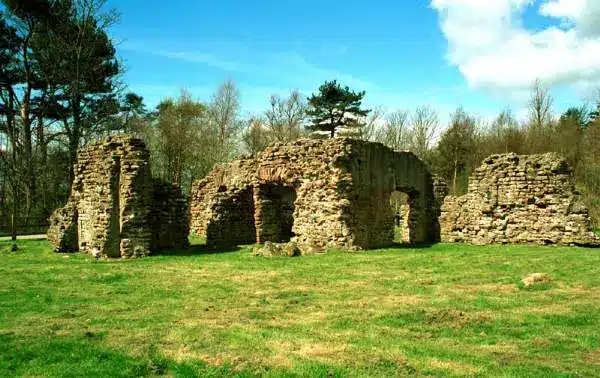
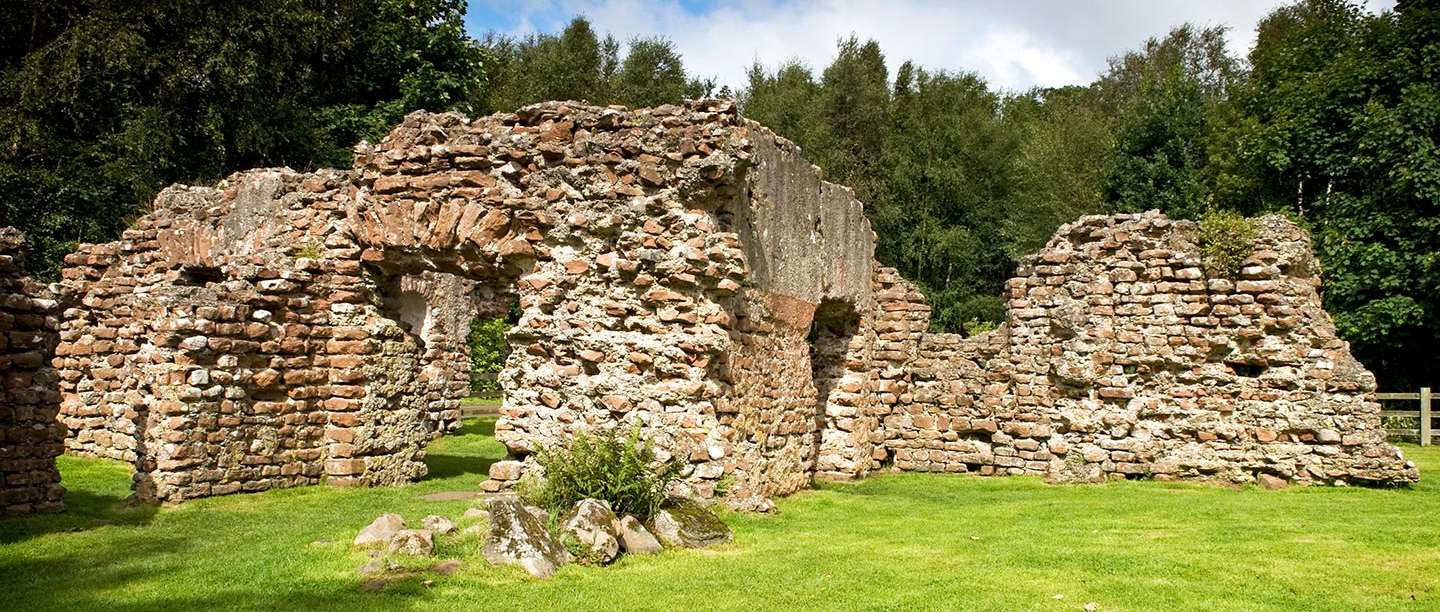
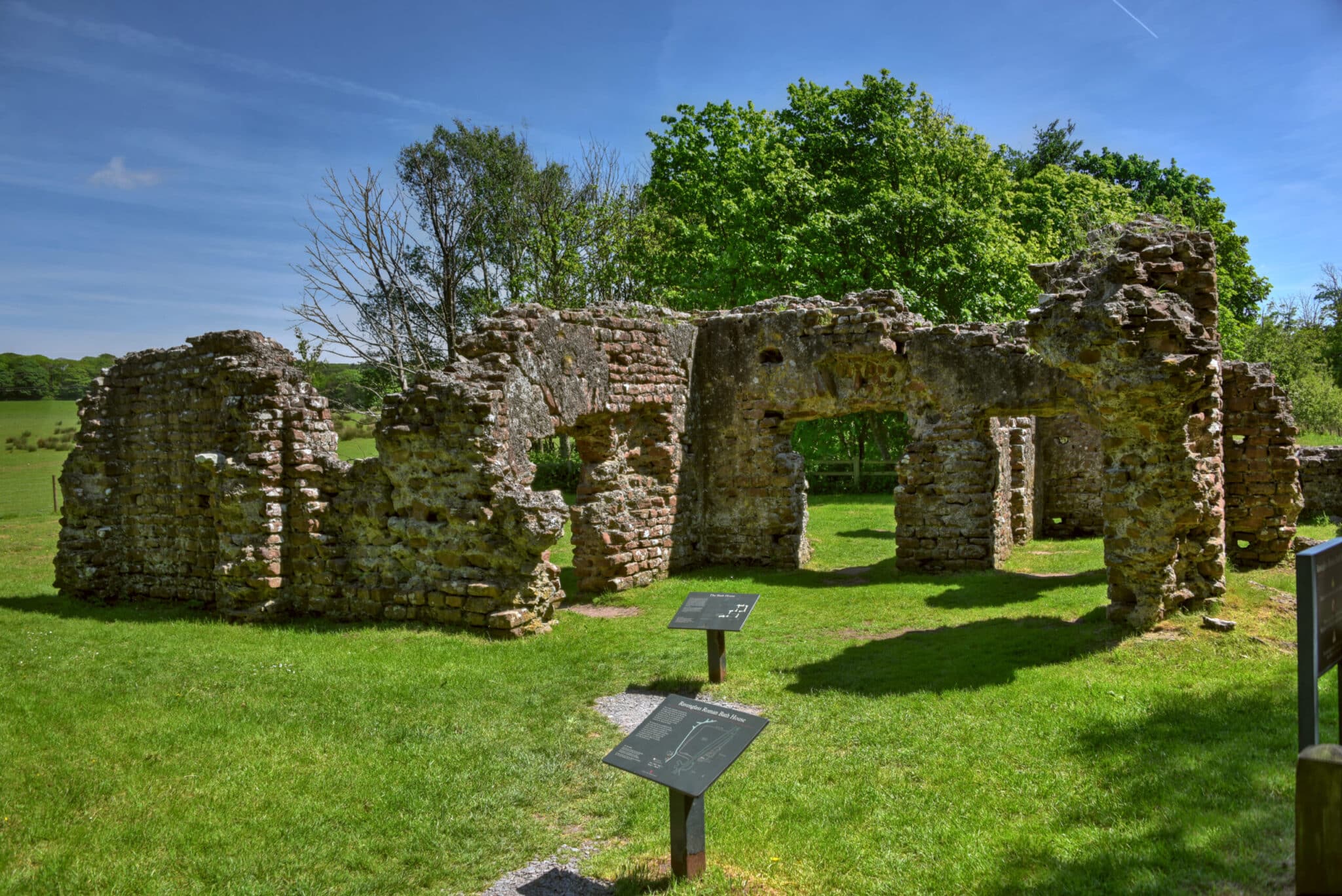
Ravenglass Roman Bath House is a historical site located in the village of Ravenglass, Cumbria, England. The bath house was built during the Roman period in AD 130 and was used by the Roman soldiers and civilians for relaxation, exercise, sport, swimming, and bathing. The remains of the bath house are among the tallest Roman structures surviving in northern Britain, with walls standing almost four metres high.
Belonging to a 2nd-century Roman fort and naval base, the Ravenglass Roman Bath House is an astonishing survival, as described by Matthew Hyde in his update to the Pevsner Guide to Cumbria. The building offered a range of facilities for the soldiers and the civilians, including hot and cold rooms, plunge pools, and changing rooms. The bath house was also an important part of the social and cultural life of the community, where people could relax, socialize, and exercise.
Today, the Ravenglass Roman Bath House is open to the public, and visitors can explore the remains of the bath house and learn about the history and culture of the Roman period in Britain. The site is managed by English Heritage, which provides information and guided tours to visitors. The bath house is a unique and fascinating glimpse into the past, and a must-visit destination for history and archaeology enthusiasts.
History
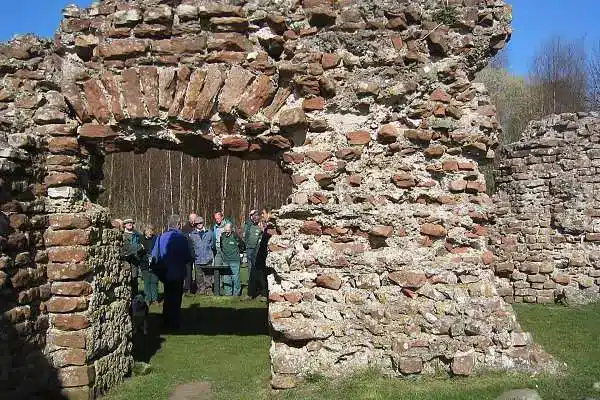
Ravenglass Roman Bath House is a historic site located in Ravenglass, Cumbria, England. It is believed to be the most substantial visible evidence of the Roman fort that once stood on this site. The remains of the bath house were established in AD 130 and are among the tallest Roman structures surviving in northern Britain. The walls stand almost four metres high.
The building was identified as being Roman in the nineteenth century, although it was initially thought to be a villa and was not identified as a bath house until the twentieth century. The site has been designated as a scheduled monument and is in state care, being managed by English Heritage.
The Ravenglass Roman Bath House was an essential part of the Roman fort, which was established to guard the western coast of Britain. The fort was built in the early 2nd century AD and was occupied until the late 4th century. The bath house was one of the most important buildings in the fort, providing soldiers with a place to clean themselves and relax after a hard day’s work.
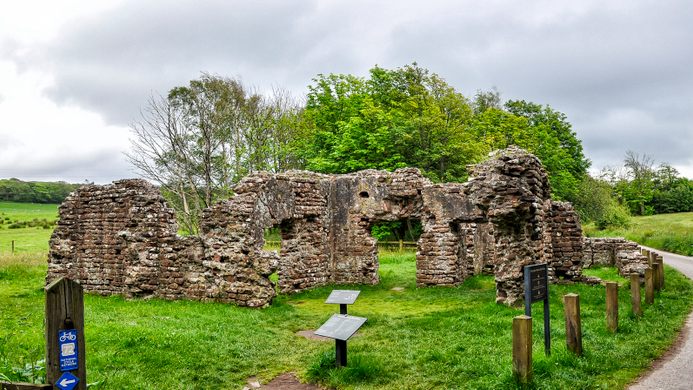
Today, visitors can view the exterior of the bath house and get a glimpse into what life was like for Roman soldiers stationed at Ravenglass. The site is open to the public free of charge and is accessible during daylight hours. Visitors can also learn more about the history of the site through the interpretive panels located on site.
Architecture
Ravenglass Roman Bath House is a remarkable example of the Roman architectural style. The building is rectangular in shape, measuring approximately 25 metres by 12 metres. The walls of the bath house are made of local sandstone, and they stand almost four metres high.
The structure was built in the second century AD as part of the Roman fort and naval base. The bath house was designed to provide relaxation for the Roman soldiers and civilians who lived in the settlement outside the fort. It offered facilities for exercise, sport, swimming, and bathing.
The bath house was divided into several rooms, each with its own function. The frigidarium, or cold room, was the first room that visitors entered. It was followed by the tepidarium, or warm room, and the caldarium, or hot room. The bath house also had a series of plunge pools, which were used for cooling off after a hot bath.
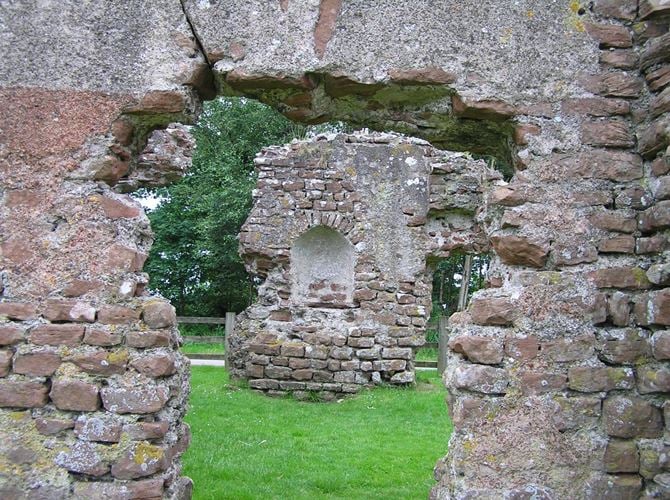
The walls of the bath house are adorned with several architectural features. Doorways and windows can still be seen in the walls, as well as an elegant niche for a bust. The building’s design and construction are a testament to the skill and ingenuity of the Roman architects and engineers who built it.
Overall, the Ravenglass Roman Bath House is a remarkable example of Roman architecture. Its impressive size, elegant design, and intricate features make it a must-see for anyone interested in ancient Roman history and culture.
Excavation
Excavations at Ravenglass Roman Bath House were carried out in the late 19th century and survey work was conducted in the 1980s. These investigations revealed that the bath house was a substantial structure that extended beyond the present field boundary. At least two rooms contained underfloor hypocausts, which were heating systems used in Roman times.
The excavations also uncovered evidence of the bath house’s construction and use. The walls were made of local sandstone and were up to 1.6 metres thick. The floors were made of compacted clay and were covered with a layer of mortar. The walls and floors were decorated with painted plaster and mosaic tiles.
During the excavations, several artefacts were discovered, including coins, pottery, and jewellery. These finds provide valuable insight into the lives of the people who used the bath house.
The survey work carried out in the 1980s used modern techniques to create a detailed plan of the bath house. This plan revealed that the bath house was a complex structure with several rooms, including a hot room, a warm room, and a cold room. The hot room was heated by a hypocaust system, while the warm and cold rooms were heated by flues in the walls.
Overall, the excavations and survey work carried out at Ravenglass Roman Bath House have provided valuable information about the construction and use of the bath house. The artefacts discovered during the excavations provide insight into the lives of the people who used the bath house, while the detailed plan created during the survey work has helped to increase our understanding of the bath house’s layout and function.
Museum
The Ravenglass Roman Bath House features a museum that contains various artifacts and exhibits that provide visitors with an insight into the life and times of the Romans who once lived in the area. The museum is located within the site and is free to enter for all visitors.
The museum contains a range of exhibits that showcase the history of the site, including the construction of the bath house and the lives of the people who lived and worked there. Visitors can see various artifacts, such as coins, pottery, and tools, which were used by the Romans.
One of the most interesting exhibits in the museum is a collection of Roman shoes, which gives visitors an idea of the fashion and style of the time. The shoes on display are made of leather and are intricately designed, highlighting the craftsmanship of the Romans.
Visitors can also learn about the construction of the bath house and the various materials used in its construction. The museum features a model of the site, which provides visitors with a better understanding of the layout and design of the bath house.
Overall, the museum at the Ravenglass Roman Bath House is a great way to learn about the history of the site and the lives of the Romans who once lived there. With its range of exhibits and artifacts, visitors can get a real sense of what life was like during the Roman era.
Visiting Ravenglass Roman Bath House
Ravenglass Roman Bath House is a must-visit destination for anyone interested in history, architecture, or ancient Roman culture. Located in Cumbria, England, this ancient site offers visitors a unique opportunity to explore one of the largest surviving Roman structures in the country.
Opening Hours and Admission
The Bath House is open to visitors free of charge and can be accessed at any reasonable time during daylight hours. However, visitors should note that it is an exterior viewing only site, and access to the interior is not permitted.
What to Expect
The remains of the bath house of Ravenglass Roman fort, established in AD 130, are among the tallest Roman structures surviving in northern Britain – the walls stand almost four metres high. The site is well-preserved, and visitors can explore the ruins of the bath house, which is about 40 feet by 90 feet with walls over 12 feet high.
The structure contains everything from hot saunas to cold baths, and visitors can get a sense of what life was like for the ancient Romans who used the bath house. The site also offers a glimpse into the region’s history, as Ravenglass was a regional supply point for much of the northwest, with a Roman road from Ravenglass through the Hard Knott Pass to the Roman fort at Ambleside.
Before You Go
Visitors should be aware that the site is an exterior viewing only site, and access to the interior is not permitted. The site is open to visitors free of charge, and there are no guided tours available. However, visitors can explore the ruins at their leisure and take in the stunning views of the surrounding countryside.
Overall, visiting Ravenglass Roman Bath House is an excellent opportunity to explore the history and culture of ancient Rome while enjoying the stunning natural beauty of Cumbria.