Ravenglass and Eskdale Railway: A Scenic Journey Through the Lake District
Ravenglass and Eskdale Railway, also known as La’al Ratty, is one of the oldest and longest narrow gauge railways in England. It is located in Cumbria, in the Lake District, and runs for 7 miles between Ravenglass and Dalegarth Station near Boot in the valley of Eskdale. The line was originally built in 1873 and has a fascinating history.
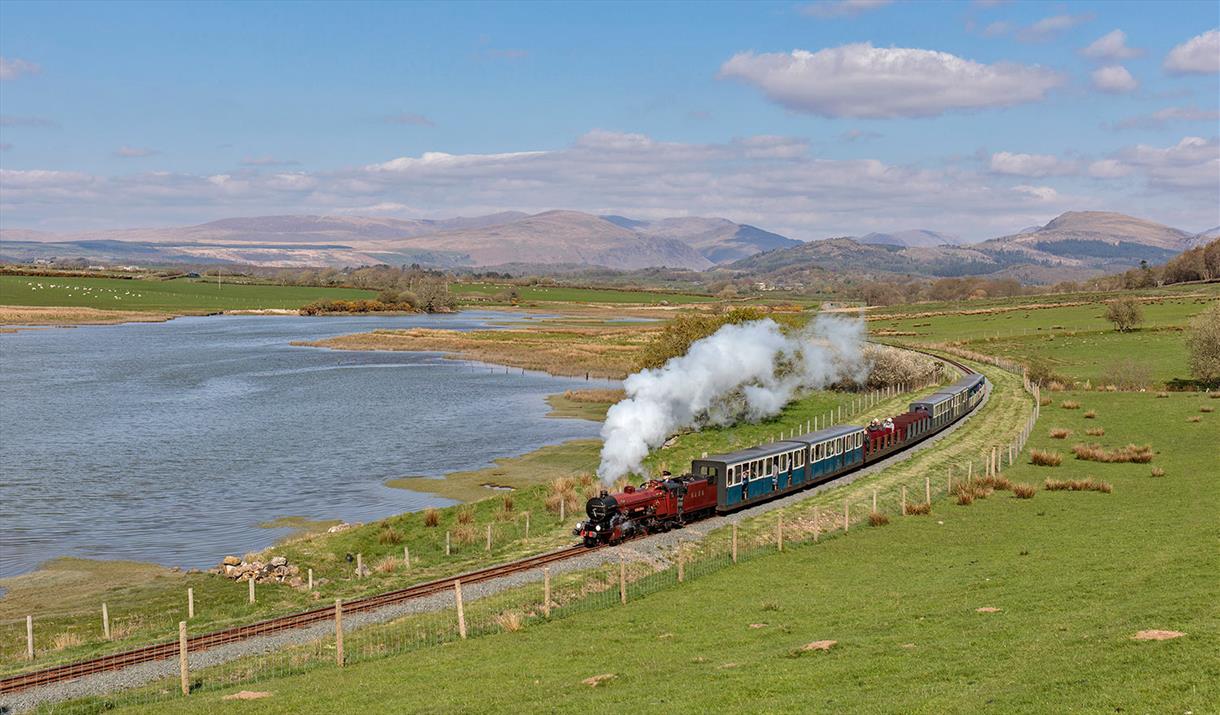
The railway is a popular tourist attraction, offering visitors the opportunity to experience a ride on a steam train while enjoying the stunning scenery of the Lake District. The journey takes passengers through the beautiful Eskdale Valley, passing by picturesque villages, rivers, and forests. The railway also offers a range of special events throughout the year, including cream tea on the move, beer festivals, and Santa Express.
The Ravenglass and Eskdale Railway has a rich history, having been used for various purposes over the years, including transporting iron ore and granite from local quarries. Today, it is a beloved heritage railway that attracts visitors from all over the world. Whether you are a train enthusiast or simply looking for a unique way to explore the Lake District, a trip on the La’al Ratty is an experience not to be missed.
History
The Ravenglass and Eskdale Railway has a rich history dating back to the late 1800s. The line was originally built to transport iron ore from the Whitehaven Iron Mines Co. in Eskdale to the mainline railway at Ravenglass. The railway opened for commercial traffic in 1875 and was the first public narrow gauge railway in England.
Early History
The railway was initially built to transport hematite iron ore from three mines near and around the village of Boot to the Furness Railway standard gauge line at Ravenglass. In the early 1880s, a tramway was built between Beckfoot and another mine at Gill Force. The line was owned by the Whitehaven Iron Mines Co. until it was bought out by the Furness Railway in 1896.
The railway continued to transport minerals until the early 1900s when the mines began to close down. The railway then turned to tourism, carrying passengers through the scenic Lake District National Park. In 1915, the line was converted to a 15-inch gauge, which made it more suitable for passenger traffic.
Preservation Society
The Ravenglass and Eskdale Railway Preservation Society was formed in 1958 to preserve and operate the line. The society purchased the railway from British Railways in 1960 and began to restore the line to its former glory. The society has since invested in new locomotives and rolling stock, as well as upgrading the track and facilities.
One of the key figures in the preservation of the railway was Sir Arthur Heywood. Heywood was a pioneer of narrow gauge railways and was instrumental in the development of the Ravenglass and Eskdale Railway. His design for a steam locomotive, the Northern Rock, was used on the line for many years.
Today, the Ravenglass and Eskdale Railway is one of the world’s oldest and longest surviving narrow gauge railways. It is a popular tourist attraction, carrying passengers through the stunning scenery of the Lake District National Park. The railway has been featured in several films and television programmes, including an episode of the popular children’s series Thomas the Tank Engine.
The railway is owned and operated by the Ravenglass and Eskdale Railway Company, which is a subsidiary of the Holker Group. The company also owns Fisherground, a campsite and holiday park located near the line, as well as the Bassett-Lowke toy company, which produces model trains and other railway-related products.
Route
The Ravenglass and Eskdale Railway is a narrow gauge heritage railway that runs from Ravenglass to Dalegarth Station near Boot in the valley of Eskdale, in the Lake District. The line is 7 miles (11.3 km) long and takes approximately 40 minutes to travel from end to end. The route passes through some of the most beautiful scenery in the Lake District, including the valleys of the River Irt, River Esk and River Mite.
Stations
The Ravenglass and Eskdale Railway has a total of nine stations, each with its own unique character and charm. The stations are:
- Ravenglass Station: The starting point of the journey, Ravenglass Station is located on the Cumbrian Coast Line and offers connections to other parts of the Lake District.
- Miteside Halt: A request stop that serves the Miteside area.
- Murthwaite Halt: Another request stop that serves the Murthwaite area.
- Irton Road: A small station that serves the village of Irton.
- The Green: A request stop that serves the Green area.
- Fisherground Halt: A request stop that serves the Fisherground area.
- Eskdale Green: A small station that serves the village of Eskdale Green.
- Murthwaite: A request stop that serves the Murthwaite area.
- Dalegarth for Boot: The end point of the journey, Dalegarth for Boot is located near the village of Boot and offers connections to other parts of the Lake District.
Request Stops
The Ravenglass and Eskdale Railway has four request stops: Miteside Halt, Murthwaite Halt, The Green and Fisherground Halt. These stations are not served by all trains, so passengers must make a request to the train crew to stop at these stations.
River Crossings
The Ravenglass and Eskdale Railway crosses three rivers: the River Irt, River Esk and River Mite. The River Irt is crossed on a bridge just outside Ravenglass Station, while the River Esk is crossed on a bridge near Dalegarth for Boot. The River Mite is crossed on a viaduct near Irton Road Station.
The railway also passes through some of the most beautiful countryside in the Lake District, with stunning views of the fells and valleys along the way. The journey is a must-do for anyone visiting the area, and is a great way to experience the natural beauty of the Lake District.
Locomotives
The Ravenglass and Eskdale Railway is home to a variety of locomotives that have been used to transport passengers and goods along the railway line. The locomotives are a key part of the railway’s history and have been lovingly restored and cared for by dedicated volunteers.
Steam Locomotives
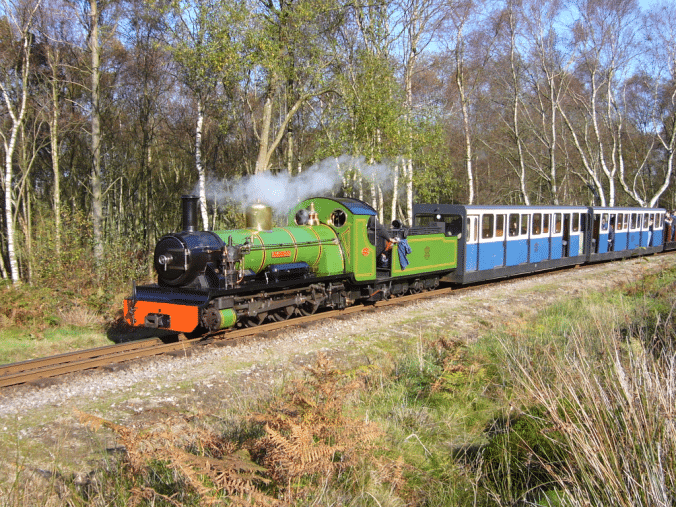
The steam locomotives used on the Ravenglass and Eskdale Railway are some of the most iconic and recognisable features of the railway. The line is home to several steam locomotives, including the Sans Pareil, Colossus, Ella, Muriel, and Katie.
The Sans Pareil is a historic locomotive that was built in 1829 and is one of the oldest working locomotives in the world. It is a key part of the railway’s history and is a popular attraction for visitors to the line.
The Colossus is another historic locomotive that was built in 1865 and is one of the oldest working locomotives in the world. It is a powerful locomotive that was used to transport goods along the railway line.
The Ella and Muriel are two of the most popular steam locomotives on the line. They were both built in the early 1900s and are still in use today. They are both beautiful locomotives that are a joy to ride on.
The Katie is a more modern steam locomotive that was built in 1991. It is a powerful locomotive that is used to transport passengers along the line. It is a popular attraction for visitors to the railway.
Diesel Locomotives
In addition to the steam locomotives, the Ravenglass and Eskdale Railway also has several diesel locomotives that are used to transport passengers along the line. The diesel locomotives are a more modern addition to the railway and are used to provide a reliable service to passengers.
The diesel locomotives used on the line include the Perkins, Shelagh of Eskdale, Lady Wakefield, and Douglas Ferreira. The Perkins is a modern locomotive that was built in the 1980s and is used to transport passengers along the line. The Shelagh of Eskdale and Lady Wakefield are both historic locomotives that were built in the early 1900s. They are both beautiful locomotives that are a joy to ride on.
The Douglas Ferreira is a more modern diesel locomotive that was built in the 1990s. It is a powerful locomotive that is used to transport passengers along the line. It is a popular attraction for visitors to the railway.
Overall, the Ravenglass and Eskdale Railway is home to a variety of locomotives that are a key part of the railway’s history. Whether you are a steam enthusiast or a diesel fan, there is something for everyone on this beautiful railway line.
Services
The Ravenglass and Eskdale Railway offers a range of services that cater to different needs and preferences of its passengers. From regular train departures to exclusive experiences, there is something for everyone to enjoy.
Departures from Ravenglass
The railway operates daily train services from Ravenglass station to Dalegarth for Boot station, covering a distance of seven miles through spectacular scenery. The narrow gauge railway line passes through the hills and seven request stops, providing passengers with a unique and unforgettable experience. The train includes compartments that can accommodate up to six people, making it perfect for families and groups.
Passengers can choose from standard, first-class, and premier tickets, depending on their budget and preferences. Standard tickets provide access to the regular train services, while first-class tickets offer more comfortable seating and complimentary tea or coffee. Premier tickets provide passengers with exclusive access to the Pullman-style carriage, which includes a dedicated steward and a complimentary glass of Prosecco.
Cream Tea on the Move
For those who want to enjoy a unique dining experience, the railway offers a Cream Tea on the Move service. Passengers can enjoy a traditional cream tea, complete with scones, jam, and clotted cream, while travelling through the stunning Lake District National Park. The service is available on select days and requires advanced booking.
Exclusive Experience
For those who want to enjoy a truly exclusive experience, the railway offers a range of packages that can be tailored to individual preferences. Passengers can choose from a range of options, including private train hire, guided tours, and corporate events. The railway can accommodate groups of up to 100 people, making it perfect for special occasions and events.
Overall, the Ravenglass and Eskdale Railway offers a range of services that cater to different needs and preferences of its passengers. Whether you want to enjoy a regular train service, a unique dining experience, or an exclusive event, the railway has something for everyone to enjoy.
Infrastructure
The Ravenglass and Eskdale Railway has a well-developed infrastructure that includes carriage sheds, workshops, and a turntable.
Carriage Sheds
The carriage sheds at Ravenglass are used to store and maintain the railway’s rolling stock. The sheds can accommodate up to 12 carriages and are equipped with modern facilities, including a pit for undercarriage maintenance. The sheds were built in the 1980s to replace an earlier structure that was destroyed by a fire. The new sheds have a steel frame and a profiled steel sheet roof.
Workshops
The railway has a well-equipped workshop at Ravenglass that is used for the maintenance and repair of locomotives, rolling stock, and track. The workshop has a range of tools and equipment, including lathes, milling machines, and welding equipment. The workshop also has a paint shop where rolling stock is painted and refurbished. The workshop is staffed by a team of skilled engineers and mechanics who ensure that the railway’s equipment is kept in good condition.
Turntable
The turntable at Ravenglass is used to turn locomotives and rolling stock. The turntable is a vital piece of equipment that enables locomotives to be turned around at the end of the line. The turntable at Ravenglass is a manually operated turntable that is capable of turning locomotives up to 60 feet long. The turntable was installed in the 1970s and has been in continuous use since then.
The railway’s infrastructure has been developed over many years to support its operations. The railway has also had an impact on the local area, with the Keswick Granite Company and the Arlesdale Railway being two entities that have been associated with the railway’s development. The Keswick Granite Company supplied the granite for the railway’s viaducts, and the Arlesdale Railway was the inspiration for the fictional railway in the children’s book series ‘The Railway Series’.