Foraging in the Lake District: A Culinary Adventure
The Lake District is a treasure trove for foraging enthusiasts in Cumbria, England. Every season, rich in wild fruits and plants, promises a unique bounty for those keen on integrating nature’s offerings into their culinary delights.
From August to September, walking paths in Cumbria are adorned with ripe brambles, ideal for pies and crafting liqueurs like bramble gin or vodka. Meanwhile, sloes once picked post-frost but now available earlier, are a key ingredient in sloe gin. If gin is your forte, juniper berries from Scout Scar near Kendal can’t be missed, essential for gin-making and adding a zest to lamb and venison dishes.
Venture into the Lyth Valley, and you’re greeted with damsons, popularly used in local gin concoctions and an array of products. The versatility of elderberries and elderflowers, widespread in Cumbria, is showcased in the forms of cordials, wines, and even elderflower champagne. Additionally, throughout the year, the region beckons with wild garlic in spring, succulent wild strawberries in summer, and nutritious rosehips come autumn.
For those wanting a deeper dive into this foraging adventure, the Lake District has specific spots worth exploring:
- Brambles: Available along numerous walking paths in Cumbria.
- Sloes: The lane from Keisley to Dufton is your destination. Remember, pricking or freezing them for 24 hours is the trick for that perfect sloe gin.
- Juniper Berries: Scout Scar near Kendal is home to these gin essentials, taking two years to ripen fully.
- Damsons: The Lyth Valley is where you’ll find them, with its roadside stalls also offering jams and pickles. And yes, always pick from public trees!
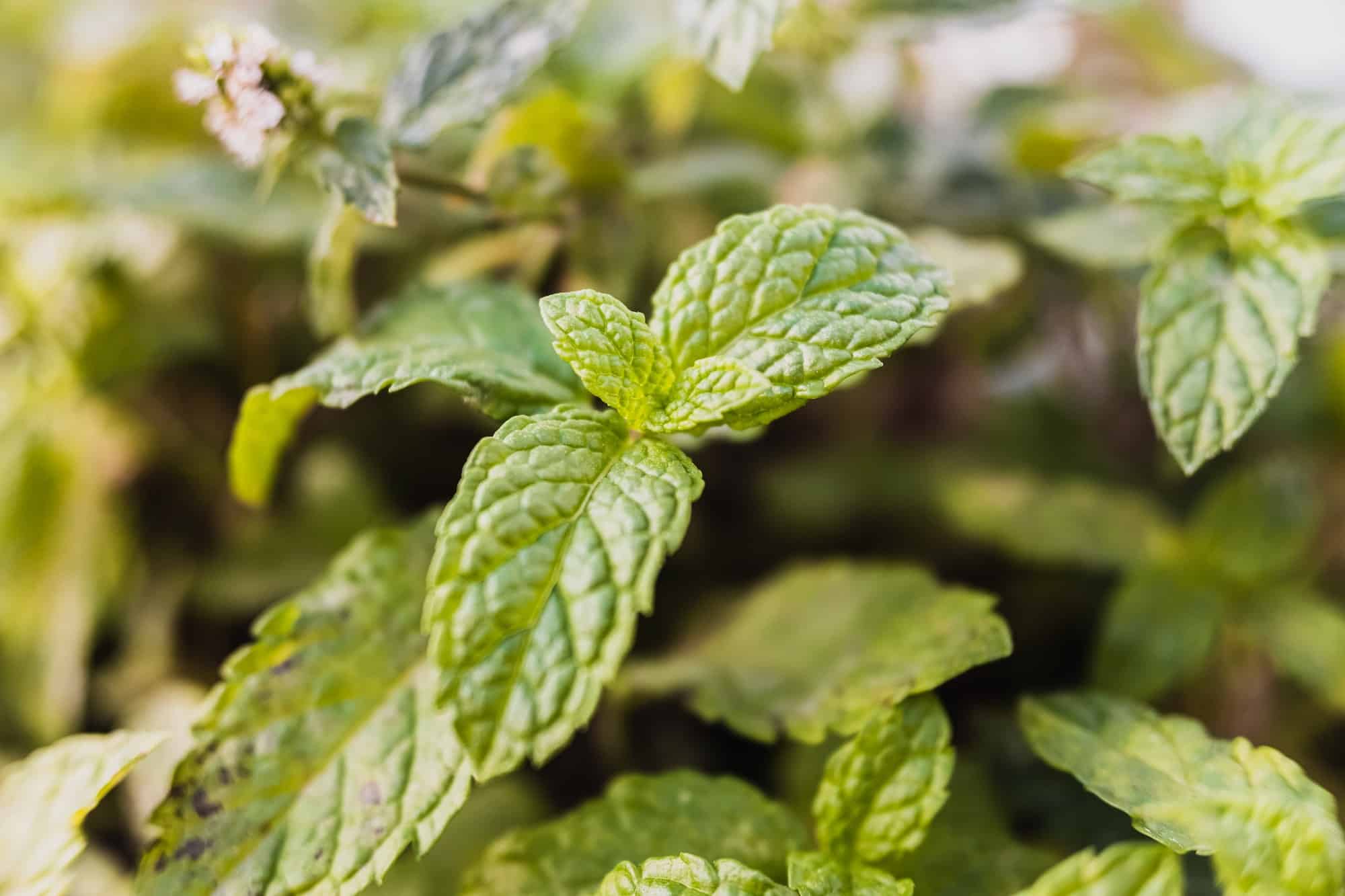
- Wild Mint: Wild mint, scientifically known as Mentha arvensis, can often be spotted in damp meadows, by streams, and on riverbanks throughout the Lake District. Its preference for moist soil conditions makes the region’s wetter areas an ideal habitat. If you’re out for a walk near freshwater sources, keep an eye (and nose) out for this fragrant herb.
Seasonal Foraging Delights
Every season in the Lake District has its foraging charm. While brambles peak in late summer, the anticipation for sloes begins as early as spring. The sight of juniper berries signals a good gin, and the Lyth Valley turns into a hub of activity during the Damson Day celebration every April.
Elderberries and elderflowers, with their plethora of culinary uses, are a constant presence. And, to add to this rich tapestry, there are the seasonal appearances of wild garlic, strawberries, and rosehips.
Cumbria’s Culinary Celebrations
Foraging is not just an activity; it’s a celebration in the Lake District. Events such as the Cumbria Wild Food Festival and the Keswick Mountain Festival provide guided foraging walks and demonstrate how best to use these wild ingredients. The Lake District Summer Music Festival adds a melodic touch with herbal medicine and wild plant workshops.
Such events amplify the importance of sustainable foraging, ensuring that nature’s bounty is appreciated, not exploited.
In Essence
The Lake District beckons with its abundant foraging opportunities. Whether you’re a pie lover, a gin enthusiast, or just someone seeking nature’s best, there’s something for everyone. The region is a culinary paradise, from brambles and sloes to juniper berries and damsons. So, let nature be your guide, and embark on a flavorful journey through the Lake District.

Jon is a regular contributor to several outdoor living and lifestyle news publications, concentrating on The Lake District. Now living in Glenridding, Jon studied journalism at Edinburgh University.