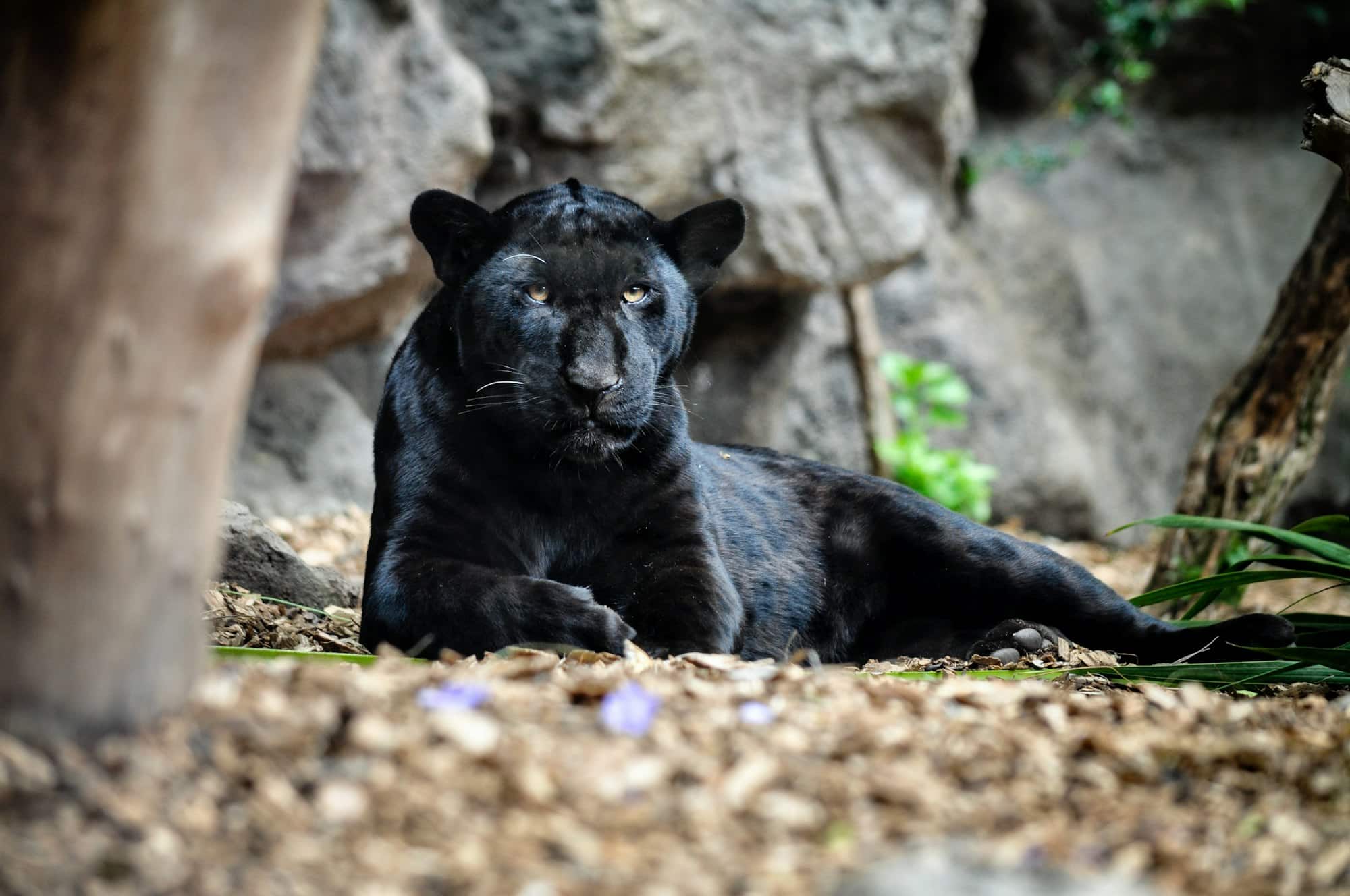
The Lake District, a haven for nature enthusiasts and adventure seekers, has recently become the epicentre of a thrilling mystery. Whispers of Lake District big cats prowling the picturesque hills and valleys have captivated the imaginations of locals and tourists alike. We delve into intriguing tales of the Lake District big cats, exploring the evidence, eyewitness accounts, and the ongoing debate surrounding their existence.
The Latest Findings: Lake District big cats
A recent investigation lends support to the notion that leopards are quietly wandering rural regions. Professor Robin Allaby, a scientist at the University of Warwick, found large cat DNA on a sheep corpse in Cumbria.
For years, there have been a few sightings claimed in the area. But is this DNA discovery ultimately the conclusive evidence we need?
We spoke with Prof Allaby about his findings, the science involved, and his confidence in the outcomes. Sharon Larkin-Snowden, a big cat lover, collected a swab sample from a sheep corpse she discovered in October 2023, according to Rick Minter, who hosts a podcast on the creatures. Mr Minter then handed over the material to Professor Allaby.
The sample was analysed by the researcher and found to have both fox and panthera DNA. He claimed the findings indicated that the sheep had been eaten by both a fox and a large cat, such as a leopard.
‘Hard to fake’
Prof Allaby said he was pretty convinced the sample was not forged for two reasons. Mr Minter had been giving him samples for a long time, and he was usually unhappy when Prof Allaby’s examination revealed that the DNA belonged to a fox or a dog. Second, very little DNA was detected in the sample, he stated.
“If this were a fake, I would expect plenty of DNA to be present in order that we would be sure to find it,” he stated. “It would be very difficult to plant just a few molecules with any finesse – I don’t think I could do it, let alone a lay person.”
However, due to the limited amount of DNA present, Prof Allaby stated that there was insufficient evidence to define the sort of large cat it originated from. He stated that more samples were required before he could conclude that a large cat roamed Cumbria. “On the balance of probabilities, I think this a genuine hit,” he stated.
He also stated that he did not feel there was enough evidence to write a report on his results yet.
‘Sceptical’
However, Dr. Egil Droge, a predator-prey expert at the University of Oxford, is suspicious of the findings. If there was a huge cat in Cumbria, he said, “Where has it gone?” “There have been no excellent images of large cats in the region, nor have there been any reports of murdered sheep. I would like to see more, and repeated, convincing evidence,” he stated.
Eyewitness Accounts: Tales from the Locals
Over the years, numerous locals have reported sightings of a large, feline-like creature prowling the countryside. These accounts, often dismissed as mere folklore, have gained credibility with the increasing number of consistent descriptions. Witnesses describe a sleek, muscular animal with a long tail and distinctive markings, resembling a panther or puma.
A Farmer’s Encounter
One of the most compelling accounts comes from a local farmer who claims to have seen the big cat up close. While tending to his livestock, he noticed a shadowy figure lurking near the edge of his property. As he approached, the creature bolted, leaving behind a trail of paw prints. The farmer’s detailed description and the physical evidence he provided have added weight to the argument for the big cat’s existence.
The Hiker’s Surprise
Another notable sighting was reported by a group of hikers who were exploring a remote trail. They recounted a spine-chilling moment when they spotted the big cat perched on a rock, observing them from a distance. The hikers managed to capture a blurry photograph, which, although inconclusive, has fuelled further speculation and interest.
The Evidence for Lake District big cats: Scrutinising the Clues
While eyewitness accounts are compelling, concrete evidence is crucial to substantiate the claims of a big cat in the Lake District. Sharon Larkin-Snowden’s swab sample from the sheep carcass was sent for DNA analysis, sparking hope for definitive proof. The results, however, have been inconclusive, leaving the mystery unresolved.
Footprints and Fur Samples
In addition to the swab sample, several footprints and fur samples have been collected from various locations within the Lake District. These samples are currently undergoing rigorous analysis to determine their origin. Experts are comparing the DNA with known big cat species to ascertain whether the samples belong to a non-native predator.
Motion-Activated Cameras
To capture definitive visual evidence, motion-activated cameras have been strategically placed in areas with frequent sightings. These cameras have recorded several intriguing images and videos, but none have provided irrefutable proof of a big cat. The elusive nature of the creature continues to challenge researchers and enthusiasts.
The Debate: Myth or Reality?
The existence of big cats in the UK has been a topic of debate for decades. Sceptics argue that the sightings are merely cases of mistaken identity, with domestic cats or other wildlife being misidentified as larger predators. They also point out the lack of concrete evidence and the improbability of a sustainable big cat population in the region.
The Case for Lake District big cats
Proponents of the big cat theory, however, present a compelling case. They highlight the consistency of eyewitness accounts, the physical evidence collected, and the historical context of big cat sightings in the UK. Some experts suggest that these animals could be descendants of exotic pets released into the wild, adapting and surviving in the countryside.
The Role of Media and Public Perception
The media has played a significant role in shaping public perception of the Lake District big cat. Sensationalised reports and documentaries have both fuelled interest and scepticism. The portrayal of the big cat as a mysterious and elusive predator has captivated audiences, but it has also led to exaggerated claims and misinformation.
The Impact: Tourism and Conservation
The mystery of the Lake District big cats has had a notable impact on tourism and conservation efforts in the region. The allure of potentially encountering a big cat has drawn adventure seekers and wildlife enthusiasts to the area, boosting local tourism. Guided tours and expeditions have been organised, offering visitors a chance to explore the landscapes where sightings have occurred.
Conservation Efforts
On the conservation front, the potential presence of a big cat has prompted discussions about wildlife management and habitat preservation. Conservationists argue that protecting the natural environment is crucial, regardless of the big cat’s existence. Efforts to maintain the delicate balance of the ecosystem and safeguard native species have gained momentum.
Practical Tips for Lake District Big Cats Enthusiasts
For those intrigued by the mystery and eager to explore the Lake District in search of the big cat, here are some practical tips:
-
Join a Guided Tour: Many local guides offer tours specifically focused on big cat sightings. These tours provide valuable insights and increase your chances of spotting the elusive creature.
-
Stay Safe: Always prioritise safety. Stick to well-trodden paths, travel in groups, and carry essential supplies.
-
Document Your Findings: If you come across any potential evidence, such as footprints or fur, document it carefully. Take photographs and note the location and time of your discovery.
-
Respect Wildlife: Remember that the Lake District is home to a diverse range of wildlife. Respect their habitats and avoid disturbing the natural environment.
Conclusion: The Enigma Continues
The mystery of Lake District big cats remains unsolved, with evidence and eyewitness accounts continuing to fuel speculation and debate. Whether a myth or reality, the tale of the elusive predator has captured the imagination of many, adding an element of intrigue to the already enchanting Lake District. As researchers and enthusiasts persist in their quest for answers, the enigma of the big cat endures, inviting all to ponder the secrets hidden within the wilderness.

A former British Military Officer, Eddie went on to study History and then Journalism at Sheffield Hallam University. A keen outdoorsman, he has co-written several books on Outdoor Survival and Wild Camping. Now living in Penrith, Ed is a keen fellrunner.