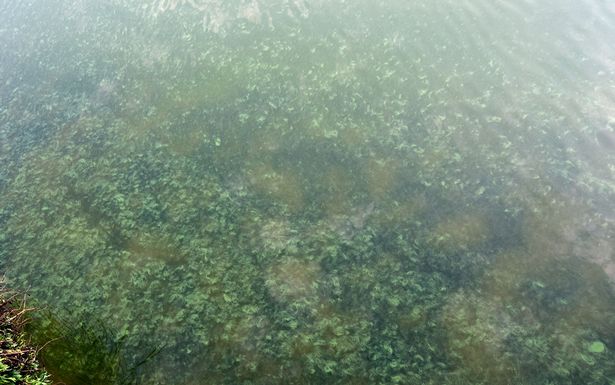
The Lake District, a picturesque region in northwest England, is famous for its scenic lakes and tarns frequented by dog owners and nature enthusiasts. However, a potential danger lurks beneath the surface of these beautiful waters: blue-green algae, or cyanobacteria. These toxic algae can pose severe health risks to dogs, and pet owners need to be vigilant and informed to keep their furry friends safe.
Pet owners have been warned by the British Veterinary Association (BVA) to keep an eye on their dogs when out walking near lakes and ponds this summer due to toxic blue-green algae blooms. The algae has recently been reported in various locations across the UK, including in the Lake District, with blooms spotted along Lake Windermere.
Cyanobacteria are found in lakes, rivers, and ponds, producing toxins that can prove life-threatening to dogs, humans, and other animals when ingested. Dogs are particularly susceptible, as they are more likely to drink or swim in contaminated water. Blue-green algae often manifest as a bluish-green scum, and exposure to its toxins can result in symptoms such as excessive drooling, respiratory failure, diarrhoea, disorientation, vomiting, and liver failure, ultimately leading to death.
Prevention is key to safeguarding your dog’s well-being, as there is no current antidote for blue-green algae poisoning. Dog owners should educate themselves on the dangers of cyanobacteria and avoid letting their pets drink from stagnant ponds or lakes showing signs of blue-green algae. If your dog exhibits any signs of poisoning, it is crucial to contact your veterinarian immediately for prompt intervention.
Understanding Blue-Green Algae and Cyanobacteria
What Are Blue-Green Algae and Cyanobacteria
Blue-green algae, also known as cyanobacteria, are a type of microscopic bacteria found in freshwater environments such as lakes, ponds, and rivers. These organisms are capable of photosynthesis, allowing them to produce their own food and energy. They thrive in warm temperatures over 75 degrees and sunny weather, which leads to higher growth rates and increased risks during summer months.
Cyanobacteria can form dense blooms in the water, which may appear as blue-green, green, or even reddish-brown scum on the surface. Not all cyanobacteria species produce toxins; however, some can release dangerous compounds known as cyanotoxins when present in high concentrations. These toxins can pose severe health risks to humans, pets, wildlife, and livestock.
Exposure to blue-green algae toxins, particularly through ingestion of contaminated water, can lead to serious health consequences, such as liver and neurological damage. In dogs, signs of poisoning can appear rapidly, and there is no known antidote, making it essential for pet owners to be aware of the risks and take preventative measures.
In the Lake District, where various bodies of water can harbour blue-green algae, dog owners must remain vigilant to protect their pets from exposure to cyanobacteria. Monitoring local water conditions, avoiding areas with visible algae blooms, and preventing dogs from drinking or swimming in potentially affected water can help keep them safe from the dangers of cyanobacteria poisoning.
Dangers of Blue-Green Algae to Dogs and Other Animals
Effects of Cyanotoxins on Dogs
Blue-green algae, or cyanobacteria, poses a significant danger to dogs who may come into contact with contaminated water sources, such as lakes and tarns in the Lake District. Ingestion of cyanobacteria can produce cyanotoxins, which are harmful to dogs and other animals.
Symptoms of cyanotoxin poisoning in dogs include:
- Seizures
- Panting
- Excessive drooling
- Respiratory failure
- Diarrhoea
- Disorientation
- Vomiting
- Liver failure
These symptoms can result in severe health complications or even death if not treated promptly by a veterinarian. The toxins have harmful effects on dogs’ liver and nervous system, making it crucial for pet owners to be vigilant and avoid exposing their pets to water sources containing blue-green algae.
Impact on Wildlife, Livestock, and Other Animals
Cyanobacteria and their cyanotoxins are not only dangerous for dogs but also affect a variety of other animals, including cats, livestock, fish, birds, and wildlife3. Ingestion or exposure to these toxins can cause similar symptoms in other animals, such as liver failure, respiratory failure, and weakness.
Fish populations are particularly at risk due to their aquatic environment, and the toxins cause mass die-offs of fish and other aquatic organisms4. Birds and wildlife that rely on these water bodies for their hydration or food sources may also face health risks due to the presence of cyanotoxins.
With these potential dangers to different species, it is essential to not only protect our pets but also consider the broader implications of cyanobacteria blooms in the Lake District and other areas.
Footnotes
Symptoms and Treatment of Blue-Green Algae Poisoning
Identifying Symptoms in Dogs
Blue-green algae, or cyanobacteria, can produce various toxins, such as anatoxin and microcystin, which can have serious health consequences for dogs. If your dog has been exposed to contaminated water, look out for the following symptoms:
- Excessive drooling
- Panting
- Disorientation
- Muscle tremors
- Difficulty breathing
- Nausea or vomiting
- Diarrhoea
- Weakness or collapse
- Pale gums
These clinical signs can develop rapidly or over several hours and may indicate that your pet has been poisoned.
Immediate Steps to Take
If you suspect your dog has ingested blue-green algae, it is crucial to act quickly:
- Remove your dog from the contaminated area: Prevent further ingestion and exposure to the toxins.
- Rinse your dog’s mouth and coat: Use clean water to help remove any residual toxins.
- Contact your veterinarian: Inform them of the situation and follow their advice.
- Call the DSPCA Animal Poison Control Centre: They can provide further advice on handling the situation.
Veterinary Treatment and Supportive Care
Once at the vet, the practitioner may administer activated charcoal to help absorb any remaining toxins in your dog’s system.
Other medical interventions might include antidotes or medications to counter the effects of the toxins, such as controlling seizures, muscle tremors, and paralysis. Supportive care, including fluid therapy and close monitoring, may be needed to maintain vital organ functions and stabilise the animal.
Remember that swift action is vital to increasing the chances of recovery from blue-green algae poisoning. By being aware of the symptoms and knowing what to do if your pet is exposed, you can help protect their health and well-being.
Identifying and Preventing Exposure to Toxic Algae
Recognising Algae Blooms in Lakes, Ponds, and Rivers
Blue-green algae, or cyanobacteria, are microscopic organisms that thrive in lakes, ponds, and rivers, especially during warm weather and in stagnant water. They can quickly multiply, forming harmful algal blooms, which can pose a serious threat to dogs, wildlife, and humans.
Algal blooms can be identified by their appearance, often resembling foam, scum, mats, or paint on the water’s surface. They can give the water a distinctive green, blue, brown, or reddish colour and can create a nauseating smell. In some cases, toxic blue-green algae blooms may appear as pea-green paint or slime, particularly near the shoreline.
Keeping Dogs Safe Around Contaminated Water
Prevention is key when it comes to protecting dogs from the dangers of toxic algae. Here are some steps dog owners can take to keep their pets safe around contaminated water:
- Be vigilant for the presence of algal blooms in lakes, rivers, ponds, and even backyard pools. Monitor local news and public health department warnings for reports of harmful algal blooms in the area.
- Avoid allowing dogs to swim or drink from water with visible algae blooms. Cyanobacteria produce toxins that can cause severe illness or even death if ingested by dogs, wildlife, or humans.
- Do not let dogs lick their fur after swimming in potentially contaminated water. The toxins can still be harmful if ingested this way.
- Should a dog come into contact with blue-green algae, rinse them off thoroughly with fresh water as soon as possible to remove any remaining toxins.
- If you suspect your dog has been exposed to toxic algae and displays symptoms such as panting, excessive drooling, disorientation, vomiting, or diarrhoea, contact a veterinarian immediately. There is no known antidote for blue-green algae intoxication, but prompt treatment can help minimise the effects of the toxins.
Being aware of the risks and taking preventive measures can help dog owners safely enjoy outdoor activities with their pets during the summer months and reduce the chance of exposure to harmful blue-green algae blooms in lakes, ponds, and rivers.
Frequently Asked Questions
What are the symptoms of blue-green algae poisoning in dogs?
Dogs affected by blue-green algae poisoning may show symptoms like seizures, panting, excessive drooling, respiratory failure, diarrhoea, disorientation, vomiting, and liver failure. It is crucial to contact a veterinarian as soon as possible if your dog exhibits any of these symptoms.
How can dog owners identify cyanobacteria in lakes?
Blue-green algae are usually found in a pea-green paint-like or slimy film on the surface of the water. It may concentrate along shorelines under specific wind conditions, where animals may drink or swim.
Where can I find updates on blue-green algae presence in the Lake District?
Updates and information on blue-green algae presence in the Lake District are unavailable in my knowledge base. It is recommended to contact local authorities or check local news sources for accurate and up-to-date information.
What is the best course of action if a dog has been exposed to blue-green algae?
If you suspect that your dog has been exposed to blue-green algae, immediately contact your veterinarian. Unfortunately, there is no antidote for blue-green algae poisoning, and it can be life-threatening if not treated promptly.
Are there any preventative measures for dogs around cyanobacteria-infested water?
The best preventative measure is to keep dogs away from lakes, ponds, and rivers with visible blue-green algae. Always be vigilant and ensure that your dog does not have access to affected water sources.
What is the typical season for blue-green algae blooms in the UK?
Blue-green algae blooms usually occur in the UK during the warmer months, from late spring to early autumn. However, factors such as water temperature, nutrient levels, and sunlight exposure may influence their growth, and blooms may occur at other times as well.

“One more fell from a great mood…” Chris writes for numerous online publications, having studied at The University College of North Wales, Bangor. He is regularly in The Lake District and enjoys wild camping, hiking and watersports. His favourite location? Muncaster Castle…