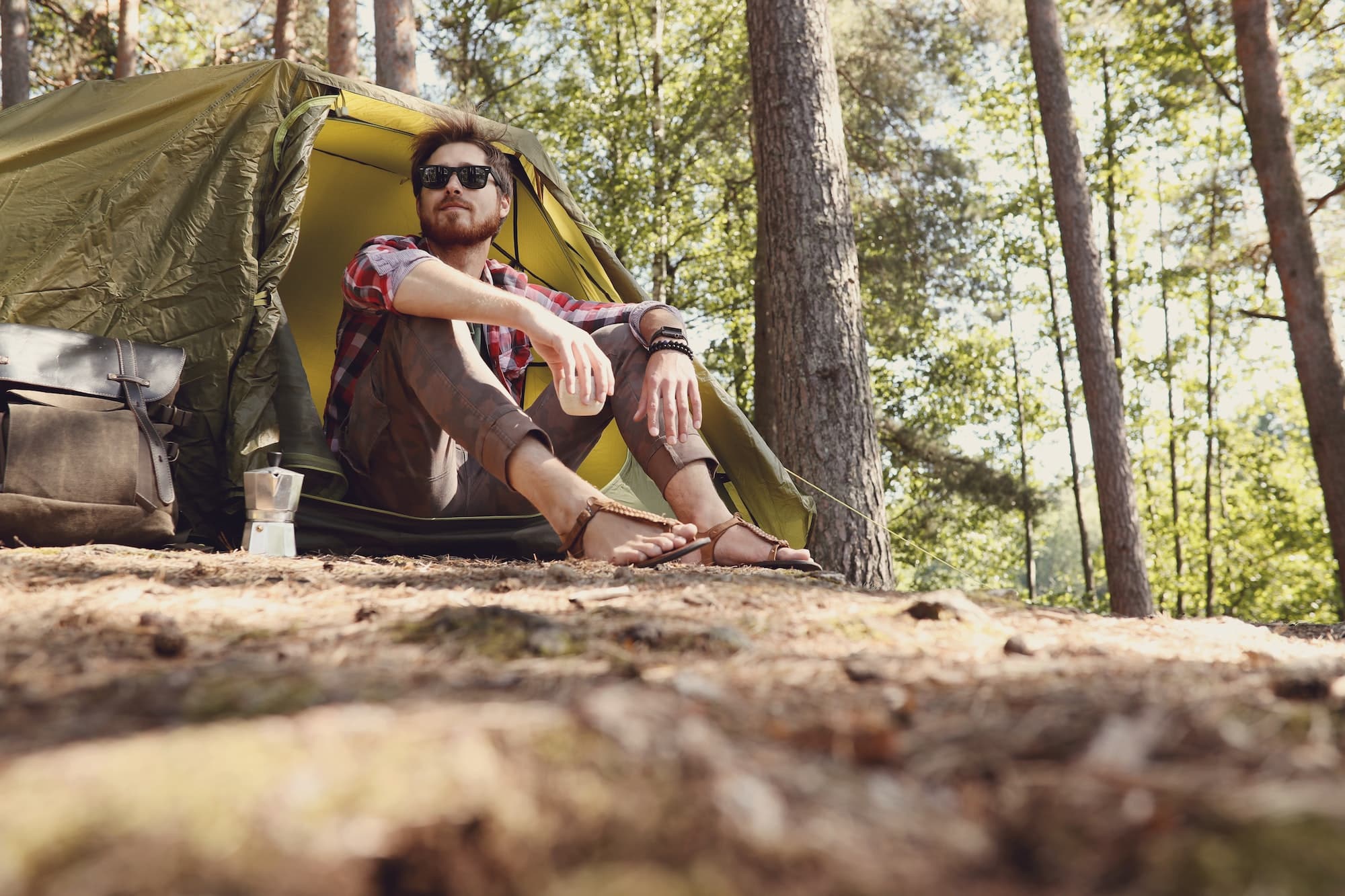
The Lake District is one of the UK’s most popular tourist destinations, with its stunning landscapes and outdoor activities attracting visitors worldwide. Wild camping is a popular way to experience the beauty of the Lake District. Still, it’s essential to follow the rules and respect the environment to ensure that this privilege is not taken away.
Wild camping is not technically legal in the Lake District, but it’s acceptable if you follow a strict set of unwritten rules. The only circumstance where wild camping is legal is when you have permission from the landowner, but this can often be difficult to obtain. As the Lake District National Park Authority states, “Wild camping is technically not permitted anywhere in the Lake District without prior permission from the landowner. As the National Park Authority, we do not have the power to allow camping.”
To ensure that wild camping remains a viable option for visitors, it’s essential to follow the “leave no trace” principle. This means campers should take all their rubbish with them and avoid damaging the environment by lighting fires or leaving marks on the ground. By respecting the environment and following the rules, visitors can enjoy the beauty of the Lake District while also preserving it for future generations.
Choosing a Wild Camping Spot
When it comes to wild camping in the Lake District, choosing the right spot is essential. There are unique aspects of wild camping in the Lake District that need to be taken into account, as well as several factors to consider.
Unique aspects of wild camping in the Lake District
The Lake District is a popular destination for wild camping but also a sensitive environment. It is important to be aware of the unique aspects of wild camping in this area to ensure you respect and protect the environment.
One of the most important things to consider is that the Lake District is a remote area, and it is essential to be self-sufficient. This means that you need to bring everything with you, including food, water, and shelter. You should also be aware that there are no facilities for waste disposal or toilet facilities, so you need to be prepared to pack everything with you.
Another unique aspect of wild camping in the Lake District is the risk of litter and fires. It is essential to leave no trace when you camp and to take all your rubbish with you. Fires are also not permitted, so you must bring a cooking stove.
Factors to Consider
When choosing a wild camping spot in the Lake District, there are several factors to consider. These include:
- Water source: It is essential to camp near a water source, but you should also be aware that some lakes and streams may be contaminated. You should always treat water before drinking it.
- Flat ground: Look for a spot on flat ground, as this will make it more comfortable to sleep. The further apart the contour lines, the flatter the terrain.
- Heather: Avoid camping on heather, as it is easily damaged and can take years to recover.
- Private land: Wild camping is not permitted on private land, so ensure you are on public land.
- Tents: Choose a spot sheltered from the wind, and pitch your tent on durable ground, such as grass or gravel.
- Toilet: You should always carry a trowel to bury your waste, and ensure you are at least 30 metres from any water source.
By taking these factors into account, you can choose a wild camping spot in the Lake District that is both comfortable and respectful of the environment.
Wild Camping Etiquette
Wild camping is an exciting and adventurous way to explore the Lake District National Park. However, it is essential to remember that with this freedom comes responsibility. Wild camping etiquette is crucial to ensure that the environment is preserved and respected for future generations to enjoy.
Leave No Trace
The first and most important rule of wild camping etiquette is to leave no trace. This means that you should leave the campsite exactly as you found it. Take all your litter with you, including food waste, and dispose of it properly. Do not bury any rubbish, as it can attract animals and take years to decompose. Use a stove instead of building a fire, as it can damage the landscape and leave scars.
Respect the Landscape
The Lake District National Park is a beautiful and fragile landscape. When wild camping, it is essential to respect and avoid damaging the environment. Camp above the highest fell wall and away from water sources, as they are easily polluted. Do not trample on vegetation, and avoid disturbing wildlife habitats. Stick to paths and avoid creating new ones, which can cause erosion and damage the landscape.
Respect Wildlife
The Lake District National Park is home to various wildlife, including rare and protected species. When wild camping, it is essential to respect their habitats and avoid disturbing them. Please do not feed or approach wild animals, as it can cause them stress and harm. Keep your food and rubbish secure, as it can attract animals and cause them to become a nuisance.
Be Considerate to Other Visitors
The Lake District National Park is a popular destination for visitors, and wild camping can be a great way to avoid crowds. However, it is essential to be considerate to other visitors and avoid causing any disturbance. Keep noise levels down, especially at night, and avoid camping in busy areas. Respect other people’s privacy and avoid camping too close to other tents.
Why Respect and Etiquette are Crucial in Preserving the Environment
Respect and etiquette are crucial in preserving the environment of the Lake District National Park. Irresponsible camping can cause damage to the landscape, pollute water sources, and disturb wildlife habitats. It can also cause conflict with other visitors and overcrowding in popular areas. By following the rules of wild camping etiquette, visitors can ensure that the environment is preserved for future generations to enjoy.
Negative Impacts of Irresponsible Camping
Irresponsible camping can have a range of negative impacts on the environment and other visitors. It can cause damage to the landscape, including erosion and pollution of water sources. It can also disturb wildlife habitats and lead to conflicts with other visitors. In extreme cases, it can lead to emergency situations, such as fires or injuries. By following the rules of wild camping etiquette, visitors can avoid these negative impacts and enjoy a peaceful and respectful camping experience in the Lake District National Park.
Hiking and Mountaineering
The Lake District is a popular destination for hikers and mountaineers alike. Its stunning scenery and challenging terrain make it easy to see why. However, respecting the environment and following proper etiquette when hiking and mountaineering in the Lake District is essential.
Scafell Massif
Scafell Pike is England’s highest mountain and a popular destination for hikers and mountaineers. However, it’s essential to be prepared when hiking in this area. The weather can change quickly, and the terrain can be challenging. It’s recommended to check the weather forecast before setting out and to bring appropriate clothing and equipment. Sticking to designated paths is essential to avoid damaging the fragile environment.
Lingmoor Fell
Lingmoor Fell is a popular destination for hikers and offers stunning views of the surrounding area. However, it’s important to be respectful when hiking in this area. The fell is home to a number of rare plant species, so it’s important to stick to designated paths to avoid damaging the environment. It’s also essential to be considerate of other hikers and to keep noise levels to a minimum.
Codale Tarn
Codale Tarn is a popular destination for hikers and offers stunning views of the surrounding area. However, it’s important to be respectful when hiking in this area. The tarn is home to a number of rare plant species, so it’s important to stick to designated paths to avoid damaging the environment. It’s also important to be considerate of other hikers and to keep noise levels to a minimum.
When mountaineering in the Lake District, it’s important to be prepared and to have the necessary skills and experience. Great End is a popular destination for mountaineers, but it’s a challenging climb and should only be attempted by experienced climbers. It’s important to have the necessary equipment and to be aware of the risks involved.
Overall, when hiking and mountaineering in the Lake District, it’s important to respect the environment and to follow proper etiquette. Stick to designated paths, be considerate of other hikers, and be prepared for the terrain and weather conditions.
Wild Swimming
The Lake District is famous for its stunning lakes and rivers, making it a perfect destination for wild swimming enthusiasts. Wild swimming is a great way to connect with nature and enjoy the beauty of the Lake District. However, it is important to follow certain safety considerations and guidelines to ensure a safe and enjoyable experience.
Safety Considerations
Before going for a wild swim, it is important to consider a few safety aspects. Firstly, it is important to check the weather forecast and water temperature. Cold water can be dangerous, and it is essential to acclimatize gradually to avoid shock. Secondly, it is important to check the depth and currents of the water. Some lakes and rivers can have sudden drops or strong currents, which can be hazardous. Thirdly, it is important to be aware of any potential hazards, such as rocks or underwater obstacles.
It is also important to follow certain etiquette rules when wild swimming. Swimmers should always respect the environment and avoid disturbing wildlife. Littering is strictly prohibited, and swimmers should take all their rubbish with them. Swimmers should also avoid disturbing other people who may be enjoying the lakeside.
Best Spots
The Lake District is home to some of the best wild swimming spots in the UK. Windermere, the largest lake in England, is a popular spot for wild swimming. The lake has several beaches and coves, and the water is generally calm and clear. Another popular spot is Coniston Water, which is surrounded by stunning scenery and has several secluded bays perfect for swimming.
Other great spots for wild swimming include Buttermere, Ullswater, and Derwentwater. These lakes offer crystal clear water and stunning views of the surrounding fells. The River Esk, located in the Eskdale Valley, is also a popular spot for wild swimming, with several deep pools and waterfalls.
In conclusion, wild swimming in the Lake District is a fantastic way to enjoy the beauty of the region. However, it is important to follow certain safety considerations and etiquette rules to ensure a safe and enjoyable experience. With its stunning lakes and rivers, the Lake District offers some of the best wild swimming spots in the UK.
Camping Gear and Essentials
When planning a wild camping trip in the Lake District, it’s important to pack the right gear and essentials to ensure a comfortable and safe experience. Here are some key items to consider:
Tents and Bivvy Bags
A good quality tent or bivvy bag is essential for a successful wild camping trip. When choosing a tent, look for one that is lightweight, easy to pitch and has good weather resistance. Bivvy bags are a popular alternative to tents, offering a lightweight and compact option for solo campers.
Cooking
Cooking equipment is a must for any wild camping trip. A portable stove, fuel, and cooking utensils are essential for preparing meals. It’s also a good idea to bring a cooler bag or insulated container to keep perishable food fresh.
Fire Safety
While campfires are a popular part of the camping experience, it’s important to follow fire safety guidelines to prevent wildfires. Open fires are strictly prohibited in the Lake District, so take a small fuel-powered stove to prepare hot drinks and meals.
Toiletries
Proper hygiene is important when camping in the wild. Pack biodegradable soap, toothpaste, and a toothbrush, and use a small trowel to dig a hole for waste disposal. It’s also a good idea to bring hand sanitiser and wet wipes for cleaning.
Waste Management
Littering is a serious problem in the Lake District and can have a negative impact on the environment and wildlife. Pack out all trash and dispose of it properly in designated bins. Use a portable toilet or dig a hole for waste disposal, and avoid contaminating water sources.
By packing the right gear and following these essential guidelines, campers can enjoy a safe and comfortable wild camping experience in the Lake District while respecting and preserving the natural environment.
Getting to the Lake District
Travelling to the Lake District can be a fun and exciting experience, and there are multiple ways to get there. Here are some tips on how to get to the Lake District by train or car.
By Train
The Lake District is well connected by train, with the main station being Oxenholme. From there, it’s easy to catch a connecting train to Penrith, Carlisle, Staveley, or Keswick.
Trains to Oxenholme run frequently from major cities like London, Manchester, and Edinburgh. The journey from London takes around 3 hours, while the journey from Manchester takes around 1 hour and 20 minutes.
It’s worth noting that train tickets can be expensive, especially if you’re travelling during peak times. To save money, it’s best to book in advance and look out for any deals or discounts.
By Car
Travelling by car is a popular way to get to the Lake District, as it gives you the freedom to explore the area at your own pace.
The Lake District is easily accessible by car, with the M6 motorway running along the eastern edge of the region. From there, it’s easy to get to popular towns like Keswick, Windermere, and Ambleside.
However, it’s worth noting that the Lake District can get busy during peak times, and parking can be difficult to find in popular areas. It’s best to plan your route in advance and look out for car parks or park and ride services.
Overall, whether you’re travelling by train or car, getting to the Lake District is easy and straightforward. With a little bit of planning, you can enjoy all that this beautiful region has to offer.

A former British Military Officer, Eddie went on to study History and then Journalism at Sheffield Hallam University. A keen outdoorsman, he has co-written several books on Outdoor Survival and Wild Camping. Now living in Penrith, Ed is a keen fellrunner.