The British Mountaineering Council is advocating for a 12-month trial period in which wild camping is permitted in some national parks south of the border.
Following an appeal against a court order forbidding the practice on Dartmoor, the association stated its viewpoint.
The British Mountaineering Council (BMC), which represents climbers, mountaineers, and hillwalkers in England and Wales, has stated that it would want to see wild camping allowed on open access land in several different national parks in England or Wales for a 12-month trial period before expanding it to further locations.
Responsible wild camping is already authorised in Scotland under the country’s access rules.

A wild camp, miles from anywhere, is one of the greatest outdoor experiences,” according to the BMC. It’s a terrific way to discover new areas, connect with nature, enjoy breathtaking scenery, decrease stress, and enhance your mental health.
“The BMC’s vision of wild camping is that people should have the freedom to camp wherever they want, in a self-sufficient, discrete, environmentally and socially responsible manner, in rural and remote places where visitors can move across the landscape as part of a journey or adventure and know it’s acceptable to set up a temporary ‘wild’ camp.”
“These places are currently difficult to find in England and Wales.” Wild camping is permitted in several areas of Dartmoor. Wild camping is forbidden in other upland and mountain regions, but property managers and rangers often permit it. Many individuals already discreetly wild camp in our hills and mountains, adhering to a rigorous ‘leave no trace’ mentality.”
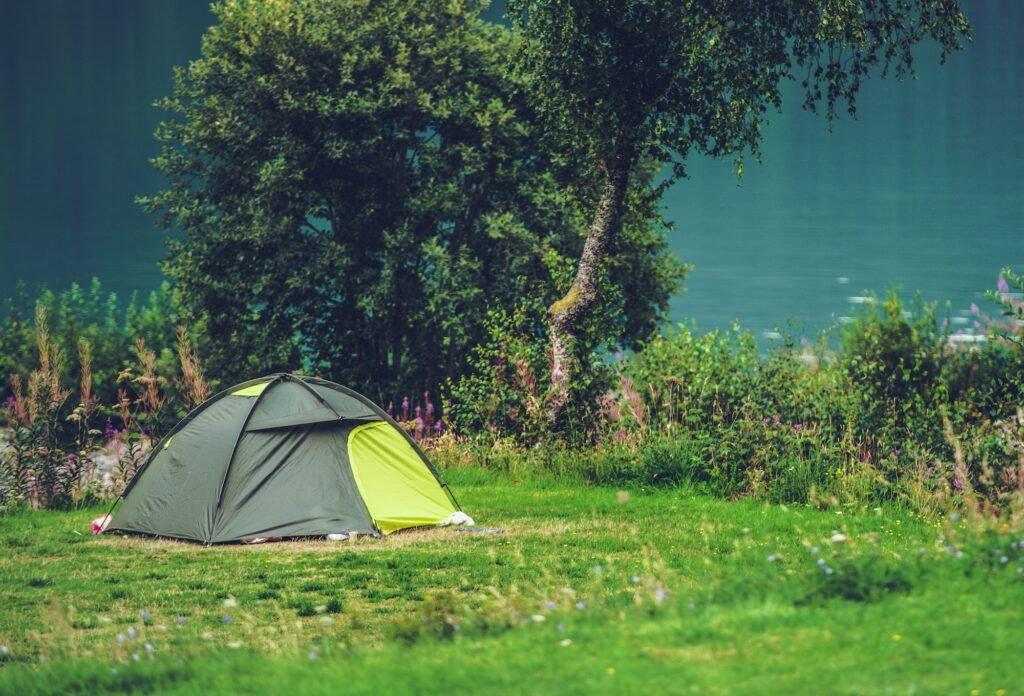
It stated that it is already supporting the Outdoor Alliance Wales’ call for trials of expanding the right to wild camp on Welsh Government-owned land as a foundation for informing the future of [the Countryside and Rights of Way Act] and that it will continue to encourage the Welsh Government to deliver on commitments to further access reform.
“However, there is still a lack of legal clarity surrounding wild camping, which is a barrier for many.”
“Visitors are hesitant to try it because they are afraid of being targeted or treated harshly by authorities and land managers if they do.” A lack of legal clarity may also make land management choices more difficult for farmers and rangers and make it harder for managers, user groups, and people to convey best practices and influence conduct.
“It is past time to clarify the laws governing wild camping.”
“The BMC wishes to see more land available for respectful, responsible, and legal wild camping.” This implies that visitors will feel confident in their rights and will appreciate the importance of acting properly and caring for our natural environment. Landowners and managers will have peace of mind knowing that visitors are adhering to best practices as caretakers of our isolated and wild areas.”

In addition to the 12-month trial period, the council requested that essential funding and resources be made available for national parks, areas of outstanding natural beauty, and land managers to support responsible wild camping rights during the trial period by, for example, expanding ranger services and providing necessary infrastructure such as signs informing of rights and responsibilities.
It said that a responsible wild camping code should be established. “This would be a code of conduct with clearly defined wild camping principles, examples of what these principles look like in practice, and a clear explanation of the need for certain exclusions, with a focus on promoting stewardship and having a positive impact,” it stated.
Additional control measures, municipal limits, and effective communication methods should be implemented when necessary to safeguard sensitive environments or limit camping numbers in popular regions.
Educational campaigns and practical training should be established to increase the public’s awareness and ability to wild camp ethically. This would include the BMC and its partner groups, such as Mountain Training, expanding their resources to provide individuals with the necessary abilities.
Following a successful trial period, lessons learned might be used to alter the Countryside and Rights of Way Act 2000 or establish new access legislation in England and Wales to incorporate wild camping as a lawful outdoor leisure activity on open-access property.
Dartmoor National Park Authority was given leave to appeal the contentious High Court judgement that stated visitors to Dartmoor do not have the right to wild or ‘backpack’ camp overnight in the national park without the approval of landowners in April 2023.
Despite the national park’s defence of the public’s right to access the area for the purposes of ‘outdoor recreation,’ which includes responsible wild camping, the BMC stated that the judge ruled in favour of the landowner, believing that Section 10 of the Dartmoor Commons Act did not grant the public this right.
On Tuesday, the case was restored to the Court of Appeal, and additional material was submitted that supports the tradition of the laws pertaining to common property and public access rights. The Court of Appeal has given the Open Spaces Society permission to intervene in the case on behalf of the Dartmoor National Park Authority.
The conclusion of this lawsuit is noteworthy because it has the potential to impact camping rights outside the Dartmoor Commons.

A former British Military Officer, Eddie went on to study History and then Journalism at Sheffield Hallam University. A keen outdoorsman, he has co-written several books on Outdoor Survival and Wild Camping. Now living in Penrith, Ed is a keen fellrunner.