Stott Park Bobbin Mill: A Fascinating Glimpse into the Industrial Past of the Lake District
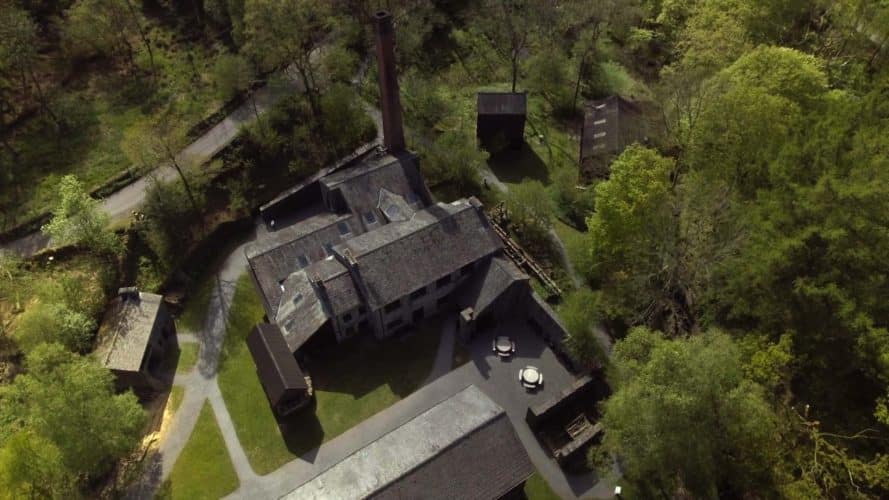
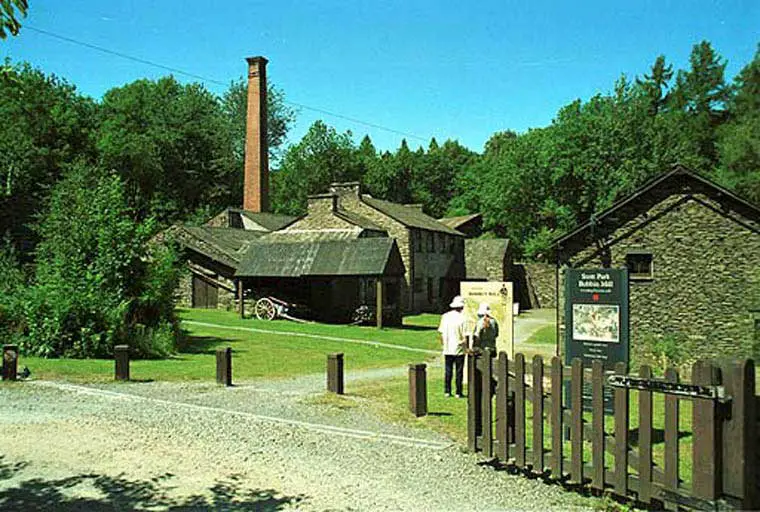
Stott Park Bobbin Mill is a 19th-century bobbin mill located near Newby Bridge, Cumbria, England. It is the only surviving example of a Lakeland bobbin mill and was once one of over 100 mills operating in the Lake District to supply millions of bobbins demanded by the Lancashire textile industry. The mill is now a working museum that offers visitors a unique glimpse into the Victorian process of bobbin making.
Built in 1835, Stott Park Bobbin Mill is a testament to the ingenuity and craftsmanship of the Victorian era. The mill produced wooden bobbins that were vital to the Lancashire spinning and weaving industries. Today, the mill is the only working bobbin mill left in the Lake District and is a popular tourist destination. Visitors can see the entire process of bobbin making, from the cutting of the wood to the final product, and learn about the history of the mill and the people who worked there.
History
Stott Park Bobbin Mill is a 19th-century bobbin mill located near Newby Bridge in Cumbria, England. Built in 1835, it is the only surviving example of a Lakeland bobbin mill and was once one of over 100 such mills that operated in the Lake District from the 1780s. These mills supplied millions of bobbins that were needed by the Lancashire textile industry.
The bobbin mill was built by W. Bradley of the Gooder Lane Ironworks in Brighouse. The location of Stott Park Bobbin Mill was chosen due to its proximity to Lake Windermere, which made it easy to transport the bobbins to the textile mills in Lancashire. The mill was powered by a waterwheel, which was fed by a leat that diverted water from the nearby River Leven.
Stott Park Bobbin Mill was a family business and was run by the Harrison family for over 100 years. In the early years, the mill employed around 20 people, but by the 20th century, this had increased to around 60. The mill continued to produce bobbins until 1971, when it was bought by English Heritage and turned into a museum.
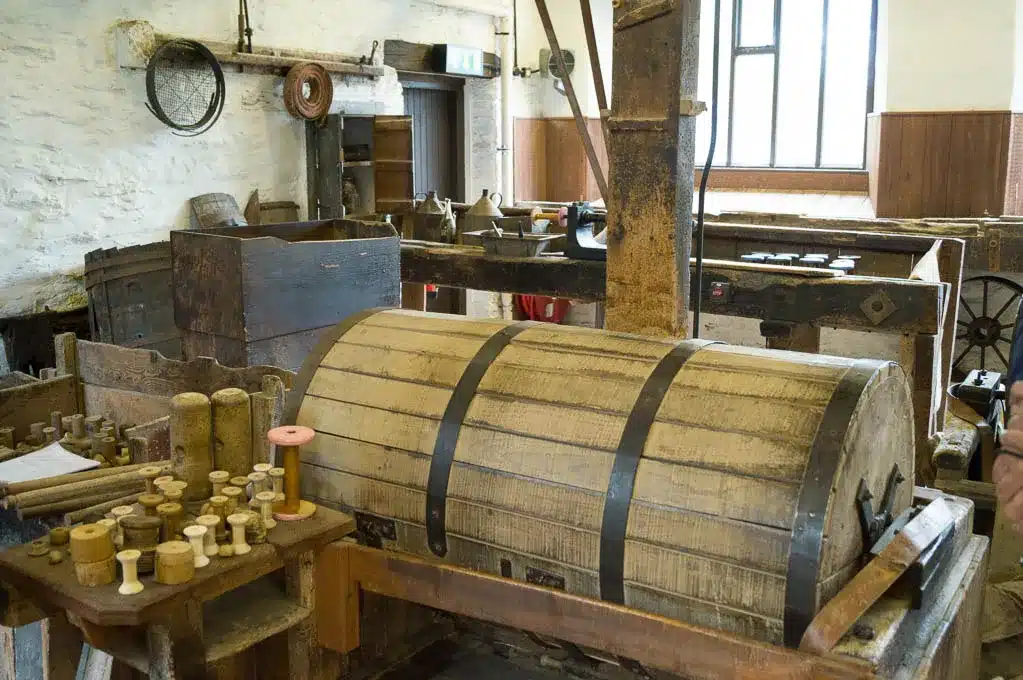
Today, Stott Park Bobbin Mill is the only working bobbin mill left in the Lake District and is open to the public. Visitors can witness the Victorian process of bobbin making and see a bobbin being made every time they go around. The mill also houses a collection of machinery and tools used in the bobbin-making process, providing a fascinating insight into the industrial history of the Lake District.
Production Process
Stott Park Bobbin Mill is a 19th-century bobbin mill located near Newby Bridge, Cumbria, England. The mill has an extensive working process that produced millions of wooden bobbins vital to the Lancashire spinning and weaving industries. Today, the mill is the only working bobbin mill left in the Lake District.
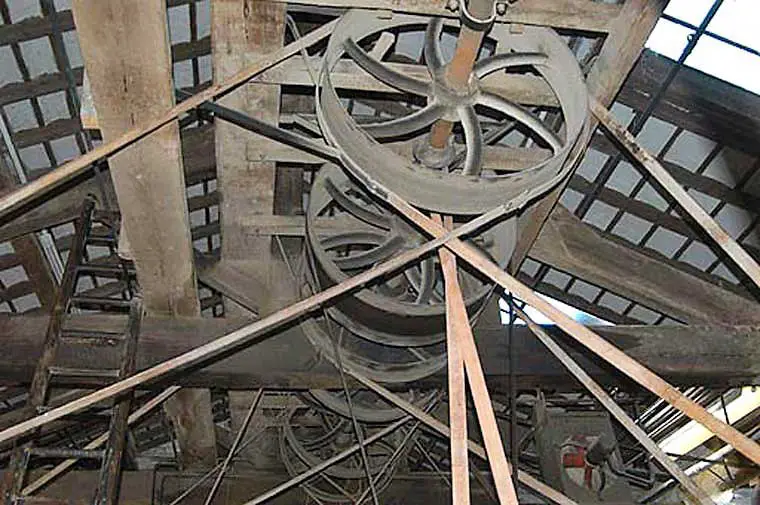
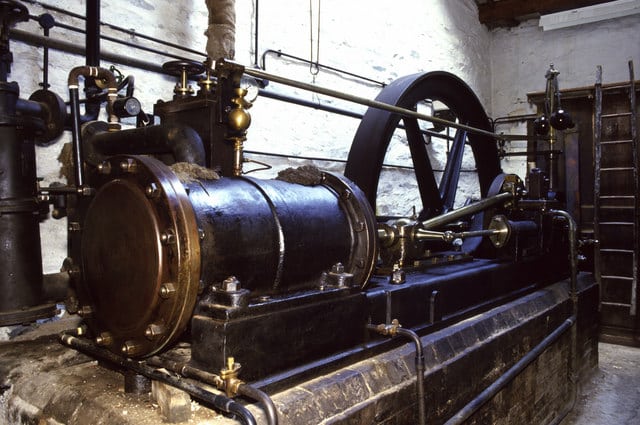
The production process at Stott Park Bobbin Mill involves the use of original machinery, belt-driven machinery, and water turbine. The mill’s machinery is powered by water from River Leven, which is directed to the mill through a water turbine. The water turbine powers the belt-driven machinery used in the production process.
The process of producing wooden bobbins starts with the coppicing of woodlands. Coppicing is an ancient skill that involves the cutting of trees to near ground level, allowing them to regrow from the cut stump. The coppiced woodlands provide a sustainable source of timber for the mill.
The coppiced wood is then transported to the mill, where it is processed into bobbins. The wood is first cut into billets, which are then turned on a lathe to form the bobbin shape. The lathe is powered by belt-driven machinery, which is driven by the water turbine.
The production process also involves the use of tools, such as chisels and gouges, which are used to shape the wooden bobbins. The tools have wooden handles that are turned on a lathe to create a comfortable grip for the user.
Once the bobbins are shaped, they are sanded and polished to give them a smooth finish. The finished bobbins are then sorted and packed for transport to the Lancashire spinning and weaving industries.
Overall, the production process at Stott Park Bobbin Mill is a combination of traditional and modern techniques. The use of original machinery and belt-driven machinery powered by a water turbine, combined with the sustainable use of coppiced woodlands, ensures that the mill continues to produce high-quality wooden bobbins in an environmentally friendly way.
Working Conditions
Working conditions in the Stott Park Bobbin Mill were typical of Victorian-era industrial sites. Although no worse than other such sites in that period, respiratory problems were a constant concern due to the amount of sawdust produced from the milling process. The workers were exposed to high levels of dust, which caused respiratory problems such as asthma and bronchitis.
The mill was a noisy and dusty environment, with the workers having to endure long hours of hard labour. The staff worked six days a week, with only Sundays off. The working day started at 6 am and ended at 6 pm, with a half-hour break for lunch. The workers were paid a minimum wage, which was barely enough to support their families.
Child labour was also prevalent in the mill, with children as young as six years old working alongside their parents. These children were employed to carry out simple tasks such as sweeping the floors and collecting wood shavings. The use of child labour was a common practice in the manufacturing families of the Lancashire textile industry.
The working mill was a dangerous place, with the workers at risk of serious injury or even death. Accidents were common, with workers losing fingers or limbs in the machinery. The mill had no safety regulations, and the workers had no protective clothing or equipment.
In conclusion, the working conditions in the Stott Park Bobbin Mill were poor, with the workers exposed to high levels of dust and noise, working long hours for low pay. The use of child labour was common, and the workers were at risk of serious injury or even death.
Exhibitions and Tours
Stott Park Bobbin Mill is a popular visitor attraction that offers an immersive experience to visitors. The mill has a well-curated exhibition that showcases the history of the bobbin industry in the Lake District. The exhibition offers a glimpse into the lives of the mill workers and the processes involved in bobbin making.
Visitors can take a guided tour of the mill to learn more about the history of the mill and the bobbin industry. The guided tour is led by knowledgeable guides who provide interesting insights into the working of the mill and the lives of the mill workers. The tour takes visitors through the different stages of bobbin making, from the raw wood to the finished product.
The mill also has a gift shop that sells souvenirs and gifts related to the mill and the bobbin industry. The shop has a range of products, including books, postcards, and bobbin-related items.
Families with children can enjoy the hands-on family trail, which offers a fun and interactive way to learn about the mill and the bobbin industry. Children can dress up in period costume and experience what it was like to work at the mill.
Overall, Stott Park Bobbin Mill is a must-visit attraction for anyone interested in the history of the Lake District and the bobbin industry. The exhibitions and tours provide an informative and engaging experience, and the gift shop and family trail offer additional attractions for visitors.
Facilities and Cost
Stott Park Bobbin Mill offers a range of facilities to ensure visitors have a comfortable and enjoyable experience. The lower mill car park has seven spaces and three designated disabled spaces. This car park is located 50 metres from the reception and mill entrance. The top car park has parking for 15 cars and up to three coaches and is 200 metres from the mill reception. Parking charges apply to non-members.
Visitors can purchase tickets for Stott Park Bobbin Mill at the reception desk. The admission price for adults is £4.50, and children aged between 5 and 17 years are charged £2.70. Concessions are available for seniors and students, priced at £4.00. Family tickets are also available for up to two adults and three children, priced at £11.70. English Heritage members can enter the mill for free.
The mill has a range of facilities to make the visit more comfortable, including toilets and a gift shop. Visitors can explore the mill and learn about the history of the bobbin-making industry in Cumbria. The mill also hosts various events and exhibitions throughout the year.
Stott Park Bobbin Mill has won several awards for its customer service and facilities. In 2019, it was awarded the Cumbria Tourism Award for Large Visitor Attraction of the Year. Visitors can also save 10% on their admission price by booking their tickets online in advance.
The mill is open daily from 10 am to 5 pm from April to October, and on weekends only from November to March. Visitors should check the opening times before planning their visit to avoid disappointment.